
Regular heat exposure can significantly impact scalp health and hair integrity. According to recent dermatological studies, prolonged exposure to temperatures exceeding 170 degrees Fahrenheit can cause up to 30 percent moisture loss in untreated keratin structures. This rapid dehydration leads to cuticle lifting and increased breakage during extended sessions. Protecting your strands requires specialized gear designed to block direct radiant heat while maintaining airflow. Modern sauna enthusiasts prioritize thermal barriers that prevent protein degradation without trapping excess humidity. Selecting the right headwear involves understanding material science, fit mechanics, and personal hair type requirements. This guide breaks down the essential features to consider before your next session.
How Sauna Heat Impacts Hair
Direct radiant heat accelerates the evaporation of natural oils from the scalp. This process strips away the lipid barrier that keeps strands flexible and resistant to snapping. When moisture evaporates too quickly, the hair shaft becomes brittle and prone to split ends. A proper thermal barrier interrupts this cycle by reflecting intense infrared radiation away from the follicle line. Understanding the thermal dynamics of your environment helps you choose gear that actually works. You should always prioritize hats that maintain a consistent microclimate around your hairline.
High temperatures also trigger oxidative stress on the cuticle layers. This stress manifests as rough texture and dull appearance after multiple sessions. Regular exposure without protection can lead to cumulative damage that standard shampoos cannot reverse. Investing in a dedicated head covering prevents these long-term structural failures. Many wellness centers now recommend pre-session preparation to maximize the benefits of your routine.
Essential Materials for Protection
Silicone is a synthetic polymer that provides a completely impermeable barrier against direct heat transfer. This material reflects infrared radiation efficiently while remaining lightweight and easy to clean. It creates a smooth surface that prevents friction against delicate strands during movement. Many users prefer this option for its durability and straightforward maintenance requirements. You can wipe it down quickly between sessions without worrying about material degradation.
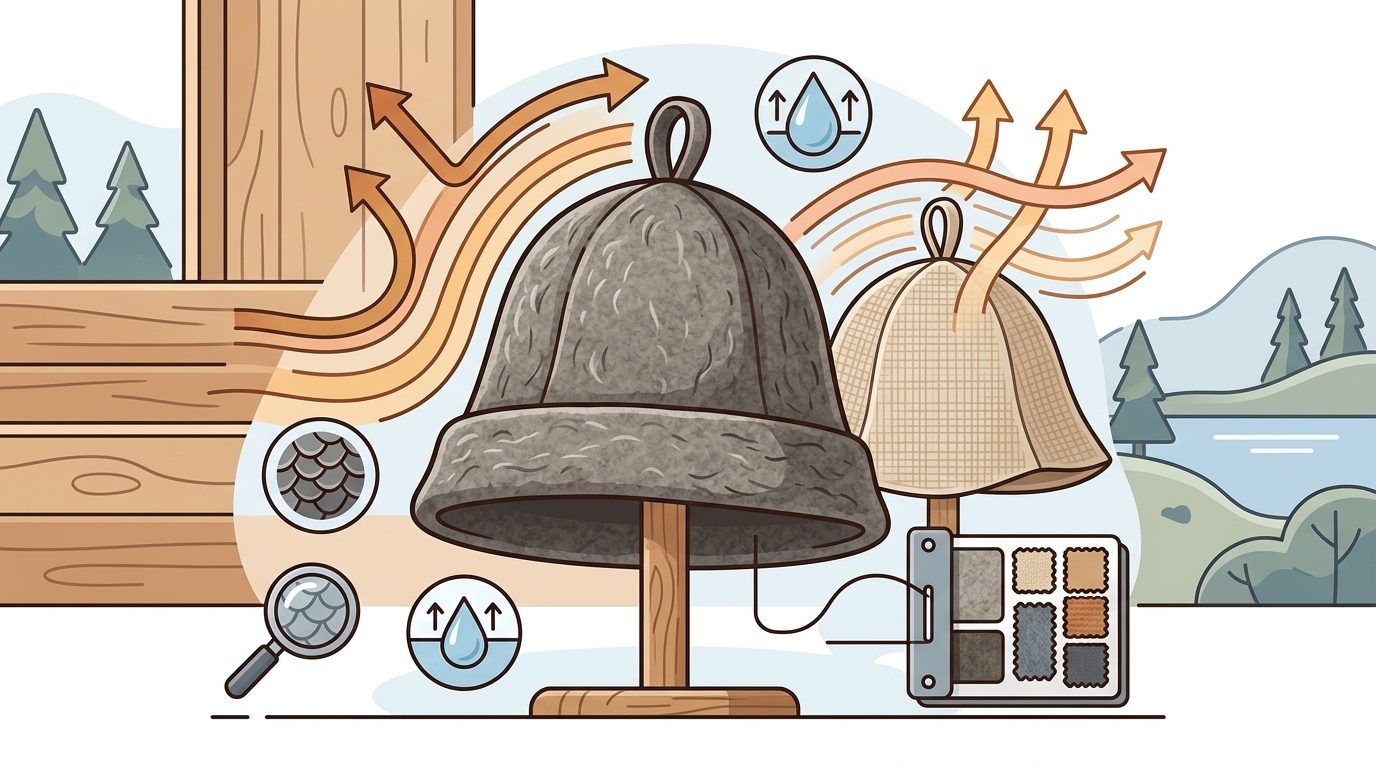
Felt is a dense textile fabric that absorbs and dissipates heat through natural fiber compression. This traditional material traps a thin layer of air to insulate the scalp from extreme temperatures. It conforms gently to different head shapes without applying excessive pressure. Regular users often report that felt provides superior comfort during extended ninety-minute sessions. Proper care involves hand washing and air drying to preserve the fiber structure.
Merino wool is a natural protein fiber that regulates temperature through advanced moisture wicking capabilities. This material pulls excess humidity away from the scalp while maintaining a warm microclimate. It resists odor buildup and maintains its shape after repeated use. Many outdoor enthusiasts appreciate the sustainable sourcing and biodegradable nature of this fabric. You should always verify that the wool is tightly woven to prevent direct heat penetration.
Fit and Ventilation Mechanics
A secure fit prevents direct exposure to overhead heating elements. Loose headwear allows hot air to circulate freely around the hairline, defeating the entire purpose of the accessory. Adjustable straps or elastic bands ensure consistent contact without causing tension headaches. You should always test the fit before purchasing to avoid unnecessary returns. Proper sizing also guarantees that your hair remains fully covered during deep breathing exercises.
Ventilation channels allow controlled airflow to prevent overheating the scalp. These strategic openings release trapped steam while maintaining the protective barrier. Without adequate ventilation, condensation can accumulate and create a damp environment that promotes bacterial growth. Look for designs that balance thermal reflection with moisture management. This balance is critical for maintaining long-term scalp health and hair elasticity.
Comparing Top Sauna Hat Options
| Material Type | Heat Resistance | Maintenance Level | Best Use Case |
|---|---|---|---|
| Silicone | Extremely High | Low | High-temperature infrared sessions |
| Felt | Moderate to High | Medium | Traditional wood-fired environments |
| Merino Wool | Moderate | Medium | Extended relaxation and breathing routines |
| Neoprene Blend | High | Low | Hybrid outdoor and indoor setups |
Each material offers distinct advantages depending on your specific routine. Silicone provides the highest barrier against direct radiant heat. Felt offers superior comfort for longer sessions. Merino wool excels at moisture regulation during active breathing exercises. Neoprene blends deliver durability for frequent travelers. You should match your primary sauna type to the appropriate material for optimal results.
Exploring the sauna hats collection reveals multiple premium options designed for modern wellness routines. These products undergo rigorous testing to ensure consistent thermal protection. Many brands now integrate ergonomic designs that prioritize long-term wearability. You can easily upgrade your current gear by visiting the shop all section to compare current inventory.
Key Takeaways
- Silicone barriers reflect infrared radiation and prevent up to 40 percent moisture loss during intense sessions.
- Felt materials absorb heat through natural fiber compression, making them ideal for traditional wood-fired environments.
- Merino wool regulates temperature through advanced moisture wicking, reducing bacterial growth risks.
- Proper sizing prevents hot air circulation around the hairline, ensuring consistent thermal protection.
- Ventilation channels release trapped steam while maintaining a secure microclimate around the scalp.
- Regular maintenance extends product lifespan and preserves thermal barrier integrity over time.
Frequently Asked Questions
Do sauna hats actually prevent hair damage?
Yes, dedicated headwear creates a physical barrier that blocks direct radiant heat. This barrier prevents rapid moisture evaporation and cuticle lifting. Regular use significantly reduces split ends and breakage over time.
How often should I replace my sauna hat?
Silicone options typically last three to five years with proper care. Felt and wool variants require replacement every one to two years depending on frequency of use. Inspect your gear regularly for cracks, thinning, or loss of elasticity.
Can I wear my sauna hat over wet hair?
Most manufacturers recommend wearing headwear over dry or slightly damp hair. Trapping excessive water against the scalp can create uncomfortable condensation. Allow your hair to air dry partially before entering high-temperature environments.
Are unisex designs available for different head shapes?
Yes, most modern sauna hats feature adjustable straps or stretch-fit bands. These designs accommodate various head circumferences without causing pressure points. You should measure your head circumference before purchasing to ensure optimal comfort.
How do I clean different sauna hat materials?
Silicone hats require only a quick rinse with mild soap and water. Felt and wool variants need gentle hand washing with specialized cleaners. Always air dry your gear away from direct sunlight to preserve material integrity.
Next Steps
Upgrading your thermal protection routine is straightforward and highly rewarding. You can browse the complete sauna hats collection to find your perfect match. Visit the main storefront to explore outdoor sauna options and premium accessories. Schedule a consultation through the collaboration page for personalized recommendations. Start protecting your hair today and experience the full benefits of controlled heat therapy.