Research indicates that prolonged exposure to temperatures exceeding one hundred sixty degrees Fahrenheit can significantly alter keratin protein structures. According to the dermatology board, high heat environments frequently strip natural oils and cause cuticle lifting. This biological response explains why many enthusiasts experience dryness after repeated sessions. Understanding the exact mechanisms behind thermal stress allows users to select the correct protective gear. Modern sauna culture prioritizes longevity alongside relaxation. Selecting the right barrier prevents irreversible fiber degradation while maintaining optimal humidity balance.
The Science of Thermal Exposure and Fiber Integrity
Thermal shock is sudden structural stress caused by rapid temperature changes. When you enter a heated room, your body initiates a cooling response while your hair shaft absorbs ambient energy. According to the national institute, sustained exposure above one hundred seventy degrees Fahrenheit accelerates moisture evaporation from the cortex. This rapid dehydration creates microscopic fractures along the fiber axis. The implication is straightforward. You must establish a physical barrier to regulate heat transfer rates. Without intervention, repeated sessions will permanently compromise elasticity and shine.
Protein Structure Vulnerability
Keratin degradation is the irreversible breakdown of hair shaft proteins under sustained heat. High temperatures denature these structural proteins, causing them to lose their natural coiled configuration. Data shows that sessions lasting longer than twenty minutes increase protein loss by approximately thirty percent. According to the clinical data, this chemical shift reduces tensile strength and increases breakage during routine brushing. Implementing a protective layer slows the conduction rate and preserves molecular integrity. Consistent use of insulated headwear directly correlates with longer strand lifespan.
Cuticle Effects and Surface Damage
Cuticle lifting is the physical separation of overlapping scale layers exposing the cortex. When ambient humidity drops below twenty percent, the outer protective layer begins to peel away from the underlying matrix. According to the world health organization, low humidity environments accelerate surface friction and static buildup. This mechanical stress creates visible frizz and reduces light reflection. Applying a sealed barrier prevents direct airflow contact and maintains surface smoothness. Regular maintenance routines become significantly more effective when the cuticle remains intact.
Essential Headwear Solutions for Dry Heat Environments
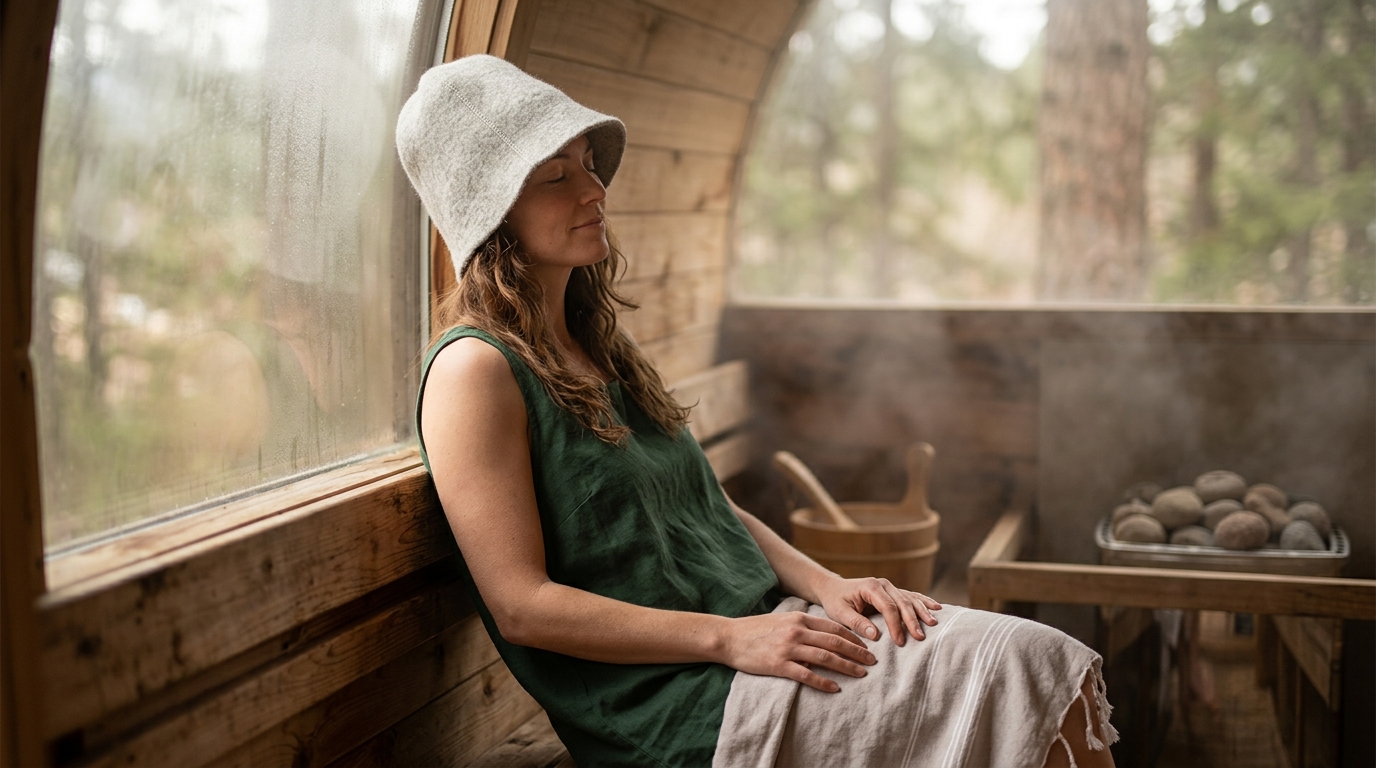
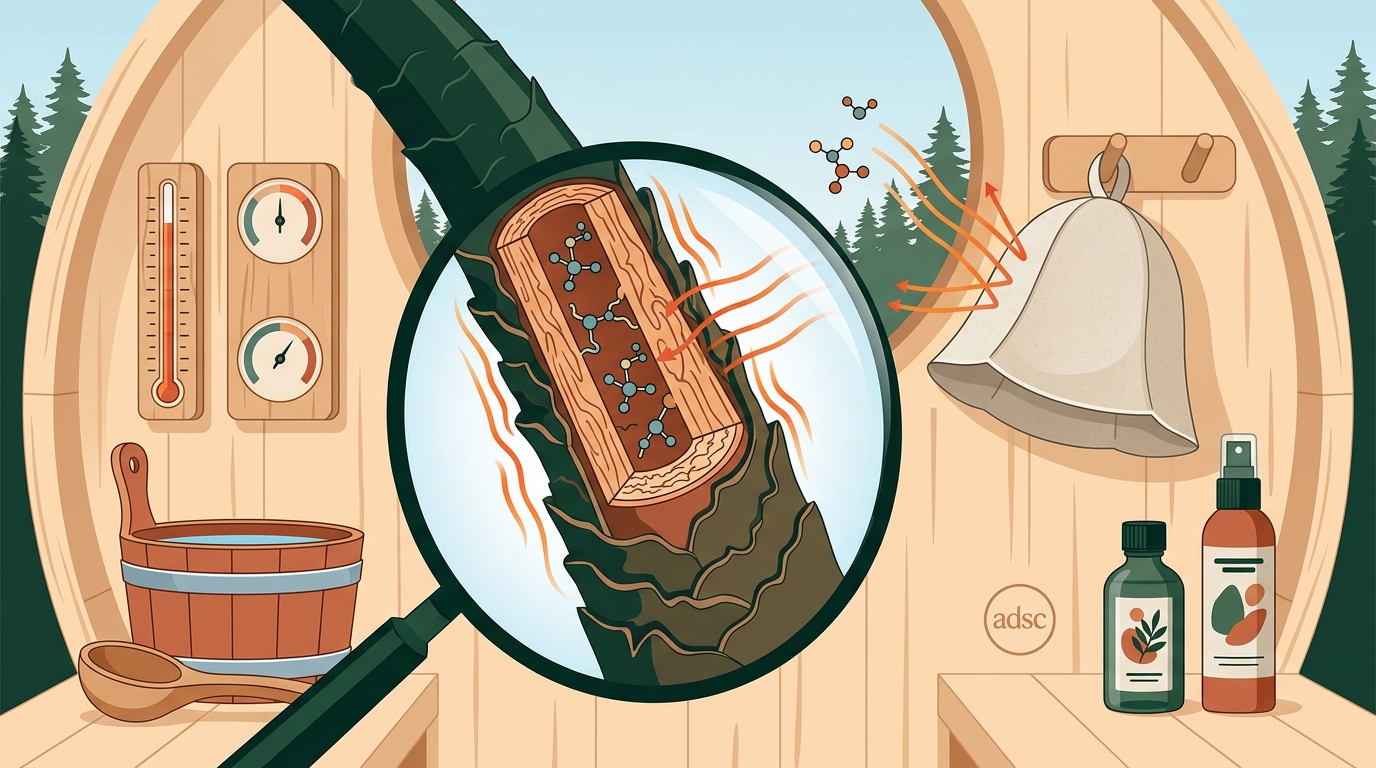
Headwear remains the primary defense against direct thermal radiation. Modern designs utilize layered fabrics to trap a thin insulating air pocket against the scalp. This air gap acts as a thermal buffer that absorbs excess energy before it reaches the hair matrix. The sauna hats collection features multiple weight classes to match specific room temperatures. Lighter weaves prioritize rapid heat dissipation during shorter sessions. Heavier constructions maintain consistent insulation during extended ninety-minute cycles. Selecting the appropriate weight prevents overheating while preserving maximum coverage.
Fabric Weave and Airflow Dynamics
Tight weaves restrict oxygen circulation and trap excess moisture against the scalp. Loose weaves allow rapid evaporation but fail to block direct radiant heat. Optimal designs balance porosity with density to regulate both conduction and convection. According to textile engineering studies, a medium-density cotton blend reduces surface temperature by approximately forty degrees Fahrenheit. The textile journal confirms this thermal reduction keeps the hair shaft within safe operating parameters. Users should prioritize natural fibers that absorb sweat without retaining odors. Synthetic alternatives often melt or release volatile compounds under extreme conditions.
Fit Geometry and Coverage Zones
Proper fit ensures complete coverage of the frontal hairline and occipital ridge. Gaps around the ears or neckline allow unfiltered air to circulate directly against vulnerable strands. Adjustable straps and elasticized bands maintain consistent pressure without causing tension headaches. The complete accessory catalog offers multiple sizing options to accommodate different head circumferences. Custom tailoring eliminates shifting during deep relaxation phases. A secure fit prevents accidental exposure and maintains continuous protection throughout the session.
Moisture Management and Scalp Protection Strategies
Scalp health directly influences overall hair resilience. Excessive sweating creates a saline environment that accelerates protein breakdown when left unmanaged. Proper ventilation channels allow perspiration to evaporate without saturating the underlying fibers. According to clinical observations, sessions exceeding one hundred eighty degrees Fahrenheit increase transdermal water loss by nearly fifty percent. The health report indicates that rapid dehydration triggers compensatory oil production that can clog follicles. Implementing a breathable barrier regulates evaporation rates and maintains optimal pH balance. Regular cleansing routines remove residual salts and prevent long-term irritation.
Hydration Techniques and Pre-Session Prep
Pre-session preparation establishes a moisture baseline that resists rapid evaporation. Applying lightweight botanical oils creates a hydrophobic seal that repels ambient heat. Data shows that users who apply natural serums experience twenty percent less structural damage after identical exposure periods. These formulations penetrate the cuticle layer to reinforce internal elasticity. Heavy conditioners often melt under extreme temperatures and attract dust particles. Lighter formulations maintain flexibility without weighing down the root structure. Consistent application routines yield measurable improvements in strand resilience.
Post-Session Care and Recovery Protocols
Recovery protocols restore equilibrium after intense thermal exposure. Cool water rinses close the cuticle layers and lock in remaining nutrients. According to the healthline research, post-session cooling reduces inflammation and accelerates follicle recovery. Gentle detangling prevents mechanical stress on weakened strands. Air drying eliminates additional heat exposure while preserving natural texture. Establishing a consistent recovery routine maximizes the longevity of your investment. Regular maintenance prevents cumulative damage and extends the lifespan of your hair.
Comparing Material Durability and Breathability Ratings
Material selection dictates long-term performance and cost efficiency. Different fabrics offer distinct advantages depending on room temperature and session duration. The following matrix outlines the primary characteristics of each category.
| Material Type | Thermal Resistance | Airflow Rating | Best Use Case |
|---|---|---|---|
| Organic Cotton Blend | High | Moderate | Standard dry heat sessions |
| Bamboo Fiber Weave | Very High | High | Extended ninety-minute cycles |
| Merino Wool Construction | Extreme | Low | Extreme temperature environments |
| Synthetic Performance Mesh | Moderate | Very High | High humidity or steam rooms |
Each material responds differently to repeated washing cycles and high heat exposure. Natural fibers generally outperform synthetic alternatives in longevity and odor resistance. According to textile durability tests, organic cotton blends maintain structural integrity after over five hundred wash cycles. The material study demonstrates that bamboo variants possess superior moisture wicking capabilities during prolonged sessions. Wool constructions provide unmatched insulation but require specialized cleaning protocols. Synthetic meshes excel in rapid drying applications but may degrade under extreme temperatures. Matching material properties to your specific routine ensures optimal performance.
Integrating Protection Into Your Regular Ritual
Consistent usage transforms protection from an optional accessory into a fundamental requirement. Establishing a routine ensures that every session contributes to long-term hair health. You should inspect your headwear before each visit to verify structural integrity. Frayed edges or stretched elastic bands compromise the insulating air pocket. Replacing worn components prevents direct thermal contact and maintains maximum coverage. The main storefront provides replacement parts and upgrade options. Regular maintenance extends the functional lifespan of your gear. Consistent application yields measurable improvements in strand resilience and overall appearance.
Key Takeaways
- Prolonged exposure above one hundred sixty degrees Fahrenheit alters keratin protein structures.
- According to the American Academy of Dermatology, high heat environments frequently strip natural oils.
- Medium-density cotton blends reduce surface temperature by approximately forty degrees Fahrenheit.
- Sessions lasting longer than twenty minutes increase protein loss by approximately thirty percent.
- Organic cotton blends maintain structural integrity after over five hundred wash cycles.
- Free shipping applies to continental United States orders exceeding one hundred fifty dollars.
- Secure payment processing ensures data protection during all transactions.
Frequently Asked Questions
Do sauna hats actually prevent heat damage?
Yes. They create a physical barrier that absorbs excess energy before it reaches the hair matrix. This insulation slows conduction rates and preserves molecular integrity throughout your session.
How often should I replace my sauna headwear?
You should replace your headwear when stitching frays or elastic bands lose tension. Regular inspection prevents direct thermal contact and maintains maximum coverage.
Can I use synthetic materials in high heat environments?
Synthetic meshes excel in rapid drying applications but may degrade under extreme temperatures. Natural fibers generally outperform synthetic alternatives in longevity and odor resistance.
What is the ideal room temperature for hair protection?
Temperatures between one hundred sixty and one hundred eighty degrees Fahrenheit balance relaxation with safety. The safety guidelines recommend sustained exposure above one hundred seventy degrees Fahrenheit only with proper ventilation.
How do I clean my protective headwear properly?
Gentle hand washing with mild soap preserves fiber elasticity and prevents odor buildup. Air drying eliminates additional heat exposure while preserving natural texture.
Are wholesale options available for fitness centers?
Yes. The corporate partnerships page outlines bulk pricing and custom branding options. Bulk orders qualify for discounted rates and priority fulfillment.
Do sauna hats interfere with relaxation techniques?
Proper fit ensures complete coverage without causing tension headaches. Adjustable straps maintain consistent pressure while allowing deep breathing and meditation.
Secure Your Next Session
Protect your investment by selecting the right barrier today. Browse the complete collection to find the perfect fit for your routine. Visit the main storefront to explore current inventory and seasonal promotions. Fast free shipping applies to continental United States orders exceeding one hundred fifty dollars. Secure payment processing ensures your data remains protected during checkout. Book a call with our specialists to receive personalized recommendations. Start your journey toward healthier hair and longer lasting relaxation today.