
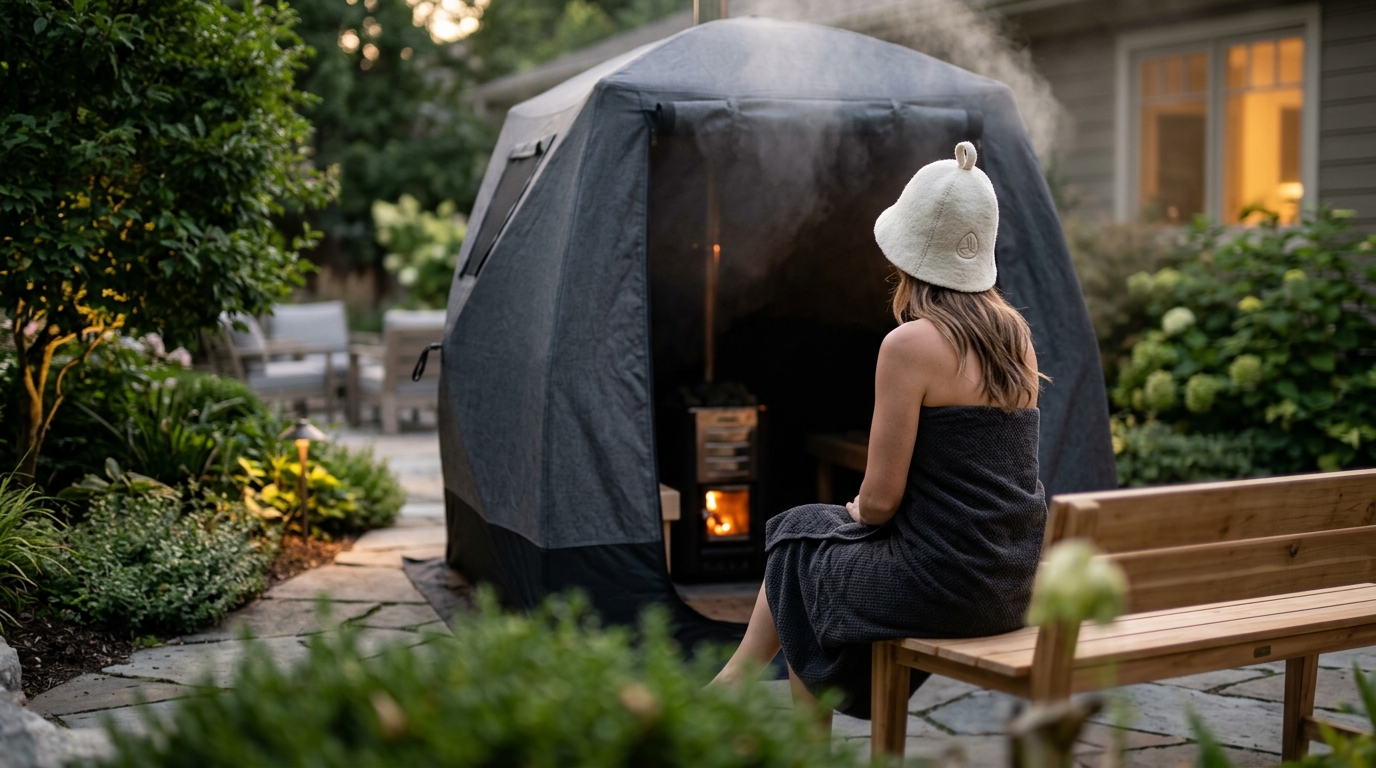
The global wellness market has shifted dramatically toward accessible, at-home health solutions. According to recent industry data, the portable sauna sector has seen a significant growth rate of over 8% annually since 2022. This surge is driven by consumers seeking the therapeutic benefits of heat therapy without the commitment of permanent construction. For many, the tent sauna emerges as the ideal compromise between portability and performance. These units offer a lightweight, modular alternative to traditional wooden cabins, allowing users to enjoy steam sessions in backyards, patios, or even large indoor spaces.
Choosing the right tent sauna requires understanding the nuances of insulation, heater compatibility, and material durability. This guide breaks down the top contenders in the market, focusing on ease of setup, heat retention, and overall value. Whether you are a fitness enthusiast looking to enhance recovery or a wellness seeker aiming for relaxation, selecting the correct model is critical for your long-term satisfaction.
Why Tent Saunas Are the New Standard
Tent saunas, often referred to as portable steam tents, have evolved from niche camping gear to serious wellness tools. Portability is the defining feature of these units. Unlike traditional saunas that require foundation work and electrical permits, tent saunas can be assembled in under 30 minutes by a single person. This ease of installation makes them particularly attractive for renters or homeowners who cannot modify their property structure.
Another critical advantage is the cost-effectiveness. A high-quality tent sauna typically costs a fraction of a wooden cabin. According to market analysis, consumer spending on portable wellness devices has increased as people prioritize mental and physical health. The lower barrier to entry allows more people to experiment with heat therapy, which is known to improve circulation, reduce muscle soreness, and promote relaxation.
However, not all tent saunas are created equal. The materials used in the construction play a vital role in heat retention and durability. High-denier polyester with reflective lining is standard for premium models. This technology ensures that heat stays inside the tent while protecting the exterior from UV damage and wear. Understanding these material differences is key to making an informed purchase.
Top Tent Sauna Models Compared
When evaluating the best options, we look at capacity, heater compatibility, and build quality. Below is a comparison of the leading types of tent saunas available in 2026.
| Model Type | Capacity | Key Feature | Best For |
|---|---|---|---|
| Standard Portable Tent | 1-2 People | Lightweight & Compact | Beginners & Small Spaces |
| Deluxe Insulated Tent | 2-3 People | Reflective Lining | Heat Retention & Durability |
| Commercial Grade Tent | 3+ People | Heavy-Duty Fabric | Spas & High-Volume Use |
The All Day Sauna Co. lineup exemplifies the shift toward premium portable options. Their models are designed with specific attention to the user experience, ensuring that the tent remains stable even in windy conditions. The use of high-quality zippers and reinforced seams prevents heat leakage, which is a common complaint with cheaper alternatives.
Capacity and Space Considerations
Before purchasing, consider who will be using the sauna. Single-person tents are more affordable and easier to store. However, they offer less room for movement. For couples or families, a larger tent provides a more comfortable experience. It is important to measure your available space, both for the sauna itself and for the clearance needed around the heater.
Heater Compatibility
The heart of any sauna is the heater. Tent saunas are typically designed to work with infrared heaters or traditional wood-burning stoves. Infrared heaters are generally preferred for tent saunas because they are safer and easier to control. They do not require oxygen for combustion, making them ideal for enclosed spaces. Always check the manufacturer's guidelines for maximum heater wattage to ensure safety.
How to Set Up Your Tent Sauna
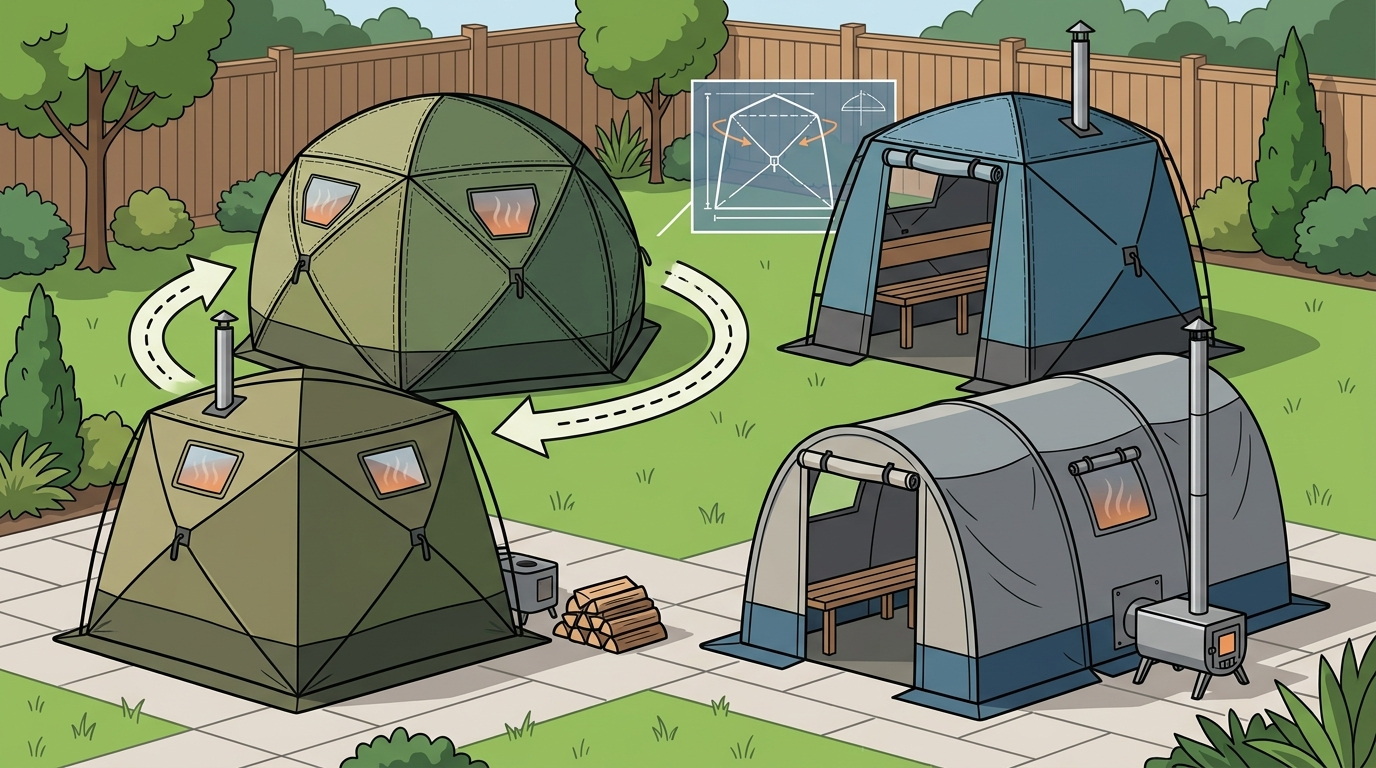
One of the primary benefits of a tent sauna is the simplicity of setup. The process is designed to be intuitive, requiring no tools or specialized knowledge. Here is a general overview of the steps involved.
Step 1: Choose the Location
Select a flat, stable surface for your sauna. This could be a patio, deck, or a cleared area in your yard. Ensure there is adequate ventilation around the tent to prevent overheating of the surrounding area. If you are using an electric heater, make sure you have access to a grounded outlet nearby.
Step 2: Assemble the Frame
Most tent saunas come with a collapsible frame. Connect the poles according to the instructions, usually forming a dome or A-frame structure. Secure the frame to the ground using stakes or weights if you are outdoors. Stability is crucial for safety, especially if you plan to use the sauna in windy conditions.
Step 3: Attach the Tent Body
Drape the tent fabric over the frame and secure it using clips or zippers. Ensure that all seams are tightly closed to maximize heat retention. If your model includes a reflective lining, make sure it is facing inward to reflect heat back into the tent.
Step 4: Install the Heater
Place the heater in the designated area, usually at the base of the tent. Follow the manufacturer's instructions for positioning to ensure even heat distribution. For infrared heaters, this often means placing them on the floor or a low platform. For wood-burning stoves, a heat-resistant mat is essential to protect the tent floor.
Step 5: Test and Enjoy
Turn on the heater and allow the tent to warm up. This typically takes 10-15 minutes. Once the desired temperature is reached, you can enter the sauna. Remember to stay hydrated and listen to your body. If you feel dizzy or uncomfortable, exit the sauna immediately.
Essential Accessories for Your Setup
To enhance your sauna experience, consider investing in a few key accessories. These items can improve comfort, safety, and longevity of your tent sauna.
Sauna Hats
Sauna hats are a game-changer for comfort. They protect your hair from heat damage and keep your head cooler while your body heats up. All Day Sauna Co. offers a range of premium sauna hats designed specifically for this purpose. These hats are made from breathable materials that wick away moisture, ensuring you stay comfortable throughout your session.
Heated Blankets
For those who get cold easily, a heated blanket can be a valuable addition. It provides additional warmth and can help you relax deeper into the session. Look for blankets that are compatible with your heater's power output.
Cleaning Supplies
Regular cleaning is essential to maintain the hygiene of your tent sauna. Use a mild soap and water solution to clean the interior after each use. Allow the tent to dry completely before storing it to prevent mold and mildew growth. Accessories like microfiber cloths and specialized cleaners can make this process easier and more effective.
Key Takeaways
- Portability: Tent saunas can be set up in under 30 minutes, making them ideal for renters and those with limited space.
- Cost-Effectiveness: They offer a fraction of the cost of traditional wooden saunas, with lower installation and maintenance expenses.
- Material Quality: High-denier polyester with reflective lining is essential for heat retention and durability.
- Heater Safety: Infrared heaters are generally safer and easier to use in tent saunas than wood-burning stoves.
- Comfort Accessories: Sauna hats and heated blankets significantly enhance the user experience and comfort levels.
- Maintenance: Regular cleaning and proper drying are crucial to prevent mold and extend the life of the tent.
- Market Growth: The portable sauna market is expanding rapidly, driven by a growing interest in at-home wellness solutions.
Frequently Asked Questions
How long does it take to set up a tent sauna?
Most tent saunas can be assembled in 15 to 30 minutes. The process involves connecting the frame, attaching the tent body, and securing it to the ground. No tools are typically required.
Can I use a tent sauna in the winter?
Yes, tent saunas can be used in winter. However, you may need to take additional steps to maintain heat, such as using a windbreak or a more powerful heater. Ensure the tent is fully sealed to prevent heat loss.
What is the best heater for a tent sauna?
Infrared heaters are generally recommended for tent saunas due to their safety and ease of use. They do not require oxygen for combustion and provide even heat distribution. Always check the manufacturer's guidelines for compatibility.
How do I clean my tent sauna?
Clean the interior with a mild soap and water solution after each use. Allow the tent to dry completely before storing it to prevent mold and mildew. Avoid using harsh chemicals that could damage the fabric.
Are tent saunas safe for children?
Tent saunas are generally not recommended for young children due to the risk of overheating. Always supervise older children and teenagers, and limit their session time to 10-15 minutes.
What is the lifespan of a tent sauna?
With proper care and maintenance, a high-quality tent sauna can last for several years. The lifespan depends on the frequency of use, the quality of the materials, and how well it is stored when not in use.
Start Your Sauna Journey Today
Investing in a tent sauna is a step toward better health and relaxation. With the right model and accessories, you can enjoy the benefits of heat therapy in the comfort of your home. Explore the full range of portable saunas and accessories at All Day Sauna Co. to find the perfect fit for your lifestyle. Book a call with our experts to get personalized recommendations and ensure you make the best choice for your needs.