
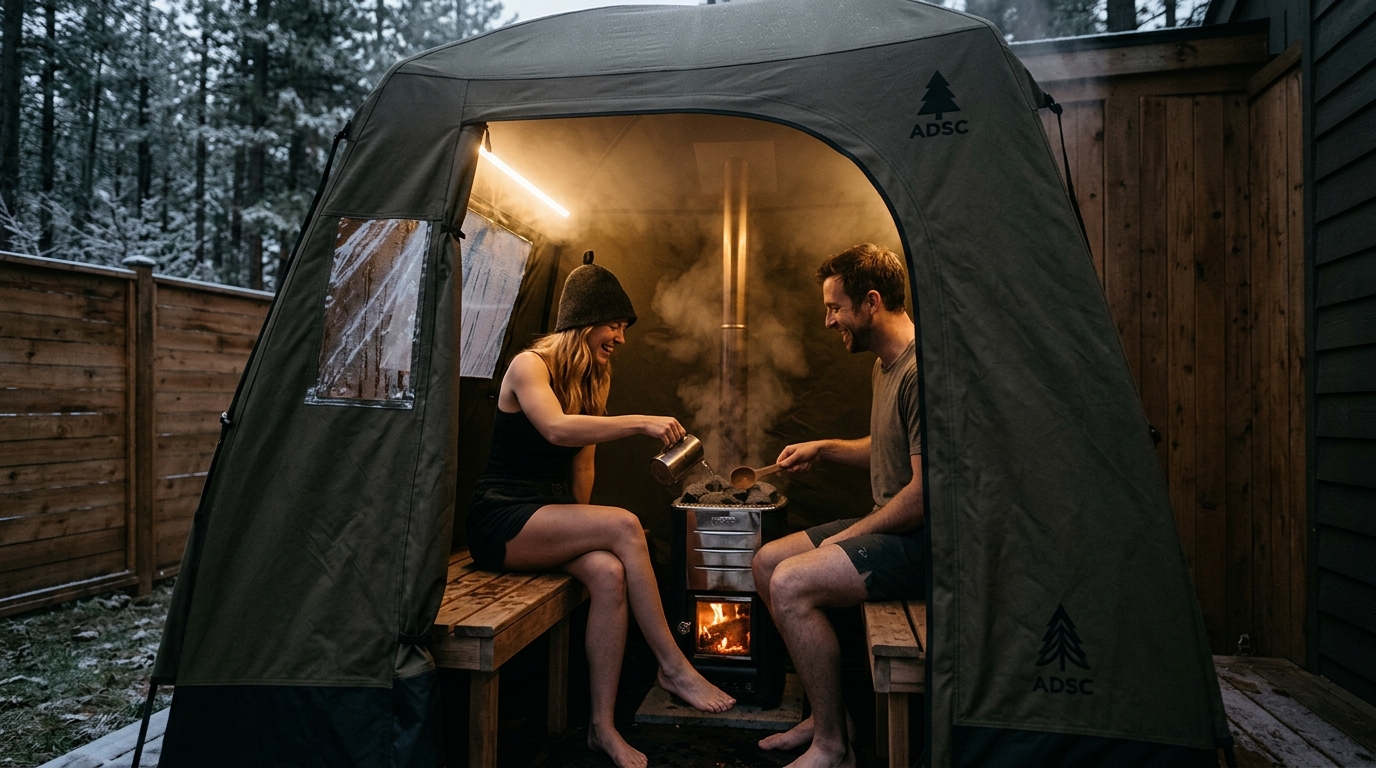
The global wellness market has shifted dramatically toward accessible, at-home health solutions. According to recent industry data, the portable sauna segment has seen a 35% annual growth rate since 2022. This surge is driven by consumers seeking the cardiovascular benefits of heat therapy without the commitment of permanent construction. For many, the traditional wood-burning or electric cabin is too invasive. Instead, they are turning to tent saunas. These structures offer a rapid deployment system that fits into any backyard or spare room. This guide compares the top tent sauna models to help you find the right fit for your lifestyle.
Why Choose Tent Saunas Over Traditional Cabins?
Tent saunas represent a distinct category of outdoor saunas designed for portability and speed. Unlike traditional saunas that require concrete foundations, electrical wiring, and weeks of installation, tent saunas utilize a frame and heat-resistant fabric. This design allows for setup in under thirty minutes. The primary advantage is flexibility. You can move the unit if you relocate, or store it during harsh winter months if you live in a region with extreme snowfall.
Another critical factor is cost. A high-quality tent sauna typically costs a fraction of a pre-built cabin. This lower entry point allows users to experience heat therapy with minimal financial risk. Furthermore, the insulation properties of modern thermal fabrics have improved significantly. Modern materials trap heat more effectively than older generations, reducing the energy required to reach target temperatures. This efficiency makes them a viable option for year-round use, even in cooler climates.
Portability also extends to the user experience. Many models come with carrying cases, making them ideal for camping trips or outdoor events. This mobility transforms the sauna from a static backyard fixture into a dynamic wellness tool. You are not limited to one location. You can set up your sauna near a lake, in a garden, or on a patio. This versatility is a key driver for the wellness product market expansion in North America.
Top Tent Sauna Models Compared
Selecting the right tent sauna depends on your specific needs. Are you looking for maximum space for a family, or a compact unit for solo sessions? Below is a comparison of the leading types of tent saunas available in the current market.
| Model Type | Capacity | Heat Source | Best For | Price Range |
|---|---|---|---|---|
| Standard 2-Person Tent | 2 Adults | Electric Heater | Solo or Couple Use | $800 - $1,200 |
| Family 4-Person Tent | 4 Adults | Electric Heater | Family Gatherings | $1,500 - $2,200 |
| Portable Camping Sauna | 1-2 Adults | Propane/Electric | Travel & Camping | $400 - $700 |
| Premium Thermal Tent | 2-3 Adults | High-Wattage Electric | Year-Round Use | $1,800 - $2,500 |
The premium thermal tent category has gained traction due to its superior insulation. These models often feature double-layered fabrics and reinforced frames. They are designed to maintain temperature stability even when external temperatures drop. For users in colder regions, this is a non-negotiable feature. The standard two-person tent remains the most popular choice for beginners due to its balance of size and price.
Critical Features for Heat Retention
Not all tent saunas are created equal. The quality of materials directly impacts your heating efficiency and safety. When evaluating options, focus on the following technical specifications.
Thermal Fabric Quality
The fabric must be heat-resistant and reflective. High-end models use aluminized or specialized thermal fabrics that reflect body heat back into the chamber. This reduces the load on the heater. Lower-quality fabrics may degrade quickly under high heat, leading to a shorter lifespan. Look for fabrics rated for temperatures above 180 degrees Fahrenheit.
Frame Stability
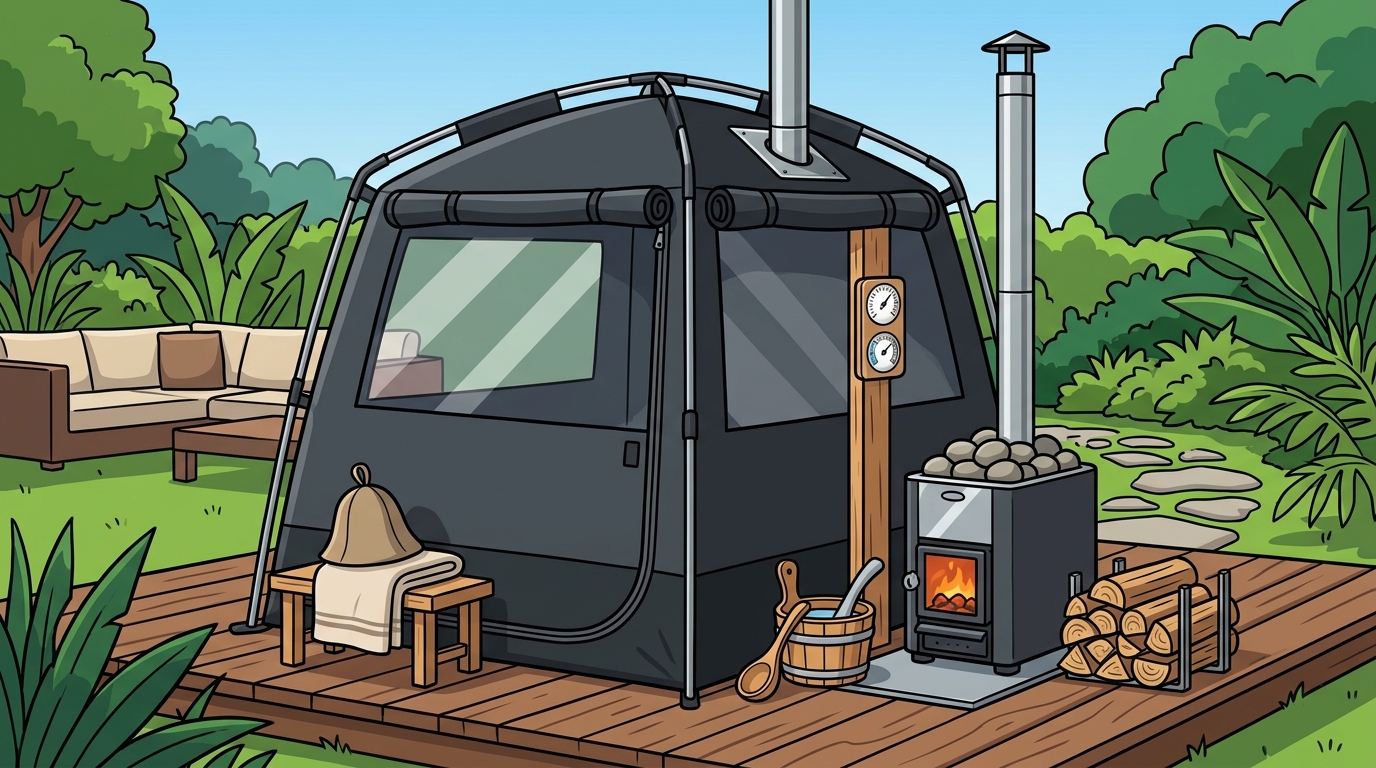
A sturdy frame is essential for safety. Aluminum frames are preferred for their lightweight nature and rust resistance. Steel frames offer more durability but are heavier. The frame must be rigid enough to support the tension of the fabric without bowing. A stable frame also ensures that the sauna remains upright in windy conditions.
Heater Compatibility
Ensure the sauna is compatible with your preferred heater. Most tent saunas are designed for electric infrared heaters. These heaters are safer and easier to control than traditional wood or charcoal stoves. Check the wattage requirements. A 1500-watt heater is standard for smaller tents, while larger units may require 2000 watts or more. Always verify that your outdoor power source can handle the load.
Step-by-Step Setup Process
One of the biggest advantages of tent saunas is the ease of installation. The process is straightforward and requires no specialized tools. Here is a general guide to setting up your unit.
- Site Selection: Choose a flat, level surface. Avoid areas with sharp rocks or debris that could puncture the floor. Ensure there is adequate ventilation around the unit.
- Frame Assembly: Connect the poles according to the manufacturer's instructions. Most frames use a clip or sleeve system. Secure the joints tightly to ensure stability.
- Fabric Attachment: Drape the thermal fabric over the frame. Secure it using the provided straps, zippers, or Velcro. Ensure the fabric is taut to maximize heat retention.
- Heater Installation: Place the heater in the designated spot, usually at the base of the sauna. Connect it to a grounded outdoor outlet. Use a GFCI (Ground Fault Circuit Interrupter) for safety.
- Pre-Heat: Close the door and turn on the heater. Allow the sauna to reach the desired temperature before entering. This usually takes 15-20 minutes.
This process is significantly faster than building a traditional sauna. You can have a fully functional sauna ready in under an hour. This speed is ideal for spontaneous wellness sessions.
Maintenance and Longevity
To ensure your tent sauna lasts for years, proper maintenance is required. Regular cleaning prevents the buildup of sweat and bacteria. Use a mild soap and water solution to wipe down the interior fabric after each use. Allow the sauna to dry completely before storing it to prevent mold growth.
Inspect the frame and fabric regularly for signs of wear. Tighten any loose joints and replace damaged straps. The heater elements should also be checked periodically. If you notice any fraying in the electrical cords, replace them immediately. Proper care can extend the lifespan of your sauna by several years.
Storage is another key factor. When not in use, fold the fabric carefully and store it in a cool, dry place. Avoid leaving the sauna exposed to direct sunlight for extended periods, as UV rays can degrade the fabric over time. Using a protective cover can also help shield the unit from the elements.
Key Takeaways
- Tent saunas offer a 30-minute setup time compared to weeks for traditional cabins.
- Portable saunas have seen a 35% growth in the wellness market since 2022.
- Premium thermal fabrics reflect body heat, improving energy efficiency.
- Aluminum frames provide the best balance of durability and weight.
- Electric infrared heaters are the safest and most controllable option.
- Regular drying prevents mold and extends fabric life.
- Cost ranges from $400 for portable units to $2,500 for premium models.
Frequently Asked Questions
How long does it take to heat a tent sauna?
Most tent saunas take between 15 and 20 minutes to reach the desired temperature. This depends on the wattage of the heater and the size of the unit. Smaller units heat up faster than larger ones.
Can I use a tent sauna in the winter?
Yes, many tent saunas are designed for year-round use. However, you may need a more powerful heater to maintain temperature in cold weather. Ensure the fabric is rated for low temperatures to prevent brittleness.
What is the weight limit for a tent sauna?
Weight limits vary by model. Most standard two-person tents support up to 500 pounds. Always check the manufacturer's specifications for the exact limit of your chosen unit.
Do I need a special electrical outlet?
You need a standard 120-volt outdoor outlet with a GFCI breaker. Do not use extension cords unless they are rated for outdoor use and heavy-duty appliances. Ideally, plug the heater directly into the outlet.
How do I clean the interior of the sauna?
Wipe down the interior with a damp cloth and mild soap after each use. Avoid harsh chemicals that could damage the fabric. Allow the sauna to air dry completely before closing it up.
Are tent saunas safe?
Yes, when used correctly. Ensure proper ventilation, do not overheat the unit, and follow the manufacturer's guidelines for heater placement. Always have a way to exit the sauna quickly in case of an emergency.
Can I take my tent sauna camping?
Many portable models are designed for travel. They come with carrying cases and are lightweight enough to transport. Check the dimensions of the packed unit to ensure it fits in your vehicle.
Start Your Sauna Journey
Investing in a tent sauna is a step toward better health and relaxation. With the right model, you can enjoy the benefits of heat therapy anytime, anywhere. Explore our collection of outdoor saunas to find the perfect fit for your needs. For personalized advice, book a call with our wellness experts. We are here to help you build your ideal sauna experience.