
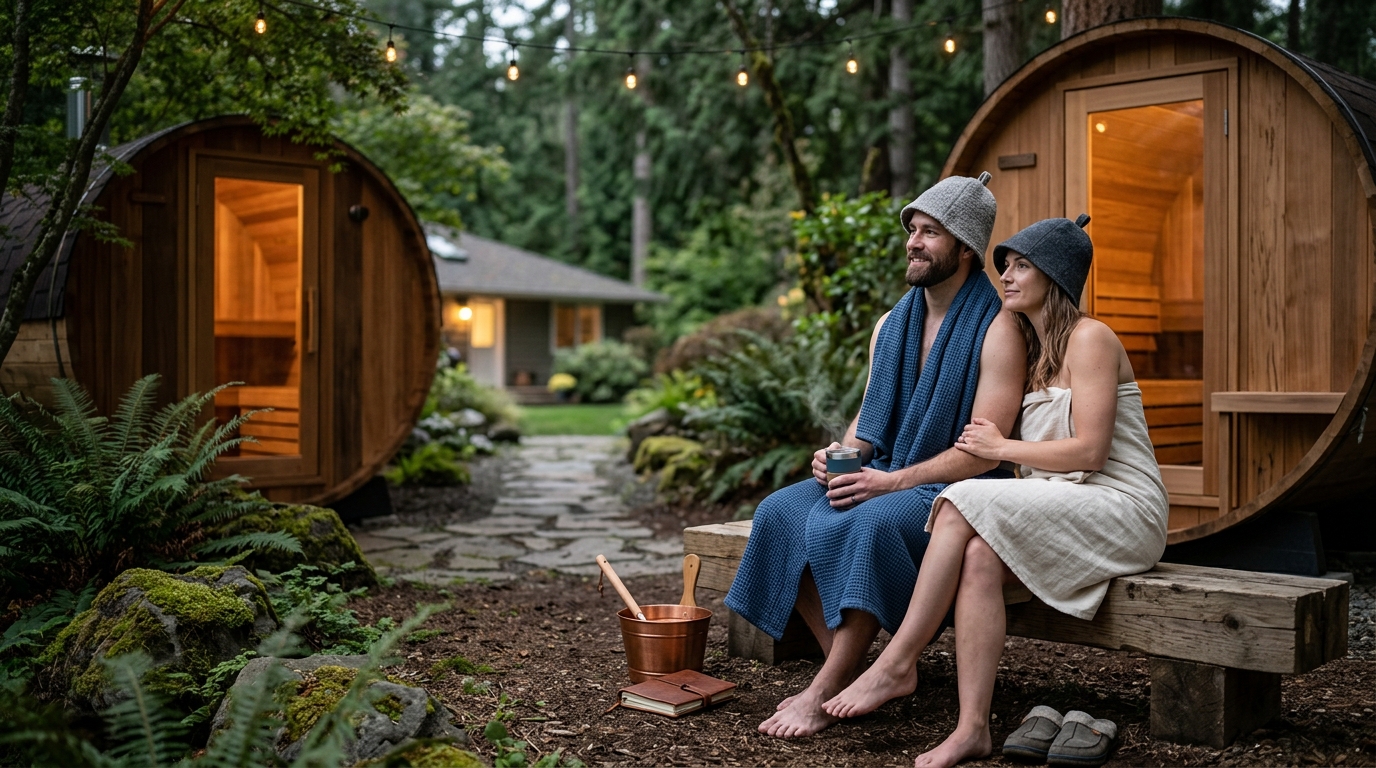
The global wellness industry has shifted dramatically toward at-home recovery, with the outdoor sauna market experiencing unprecedented growth over the last five years. According to recent market analysis, the global sauna market size is projected to reach $2.5 billion by 2030, driven largely by residential installations that prioritize mental clarity and physical recovery. This surge reflects a broader cultural movement where homeowners are transforming their backyards into private sanctuaries for health and relaxation. Choosing the right unit requires understanding the distinct differences between traditional wood-burning models and modern electric systems, as well as the structural demands each places on your property.
Understanding Sauna Types: Wood vs. Electric
Selecting the correct sauna type is the most critical decision in your backyard wellness setup. The two primary categories are traditional wood-burning saunas and electric infrared or convection saunas. Each offers distinct advantages regarding heat quality, ambiance, and operational complexity.
Traditional Wood-Burning Saunas
A traditional sauna is a heated room typically constructed from wood, where the air is heated by a stove. The stove can be fueled by wood, electricity, or kerosene. In the context of outdoor wellness, wood-burning models are prized for their authentic experience. The crackling fire and the specific scent of burning wood create an immersive atmosphere that electric units cannot fully replicate. However, these units require a chimney, a fire-resistant foundation, and regular ash removal. They are ideal for homeowners who view sauna use as a ritualistic practice rather than a quick recovery session.
Electric and Infrared Saunas
Electric saunas have gained massive popularity due to their ease of use and consistent temperature control. Unlike traditional saunas that heat the air, infrared saunas use light to create radiant heat that warms your body directly rather than heating the air around you. This allows for a lower ambient temperature that many users find more comfortable for longer sessions. Electric models are generally easier to install and maintain, making them the preferred choice for busy professionals seeking efficient recovery tools.
Essential Features for Backyard Installation
When evaluating outdoor saunas, several structural and functional features determine long-term satisfaction. The quality of the wood, the insulation properties, and the heater capacity are paramount.
Wood Quality and Insulation is the first factor to consider. High-quality cedar or hemlock is standard because these woods resist rot and warping in outdoor conditions. Look for units with thick walls, typically 1.5 inches or more, to retain heat efficiently. Better insulation means lower energy costs and faster heat-up times. The All Day Sauna Co. emphasizes premium materials in their sauna collection to ensure durability against the elements.
Heater Capacity must match the square footage of the sauna. An undersized heater will struggle to reach target temperatures, especially in colder climates. Conversely, an oversized heater can make the space uncomfortably hot too quickly. Most manufacturers provide guidelines based on cubic feet of space. Always verify the electrical requirements for electric models, as they often require a dedicated 240-volt circuit.
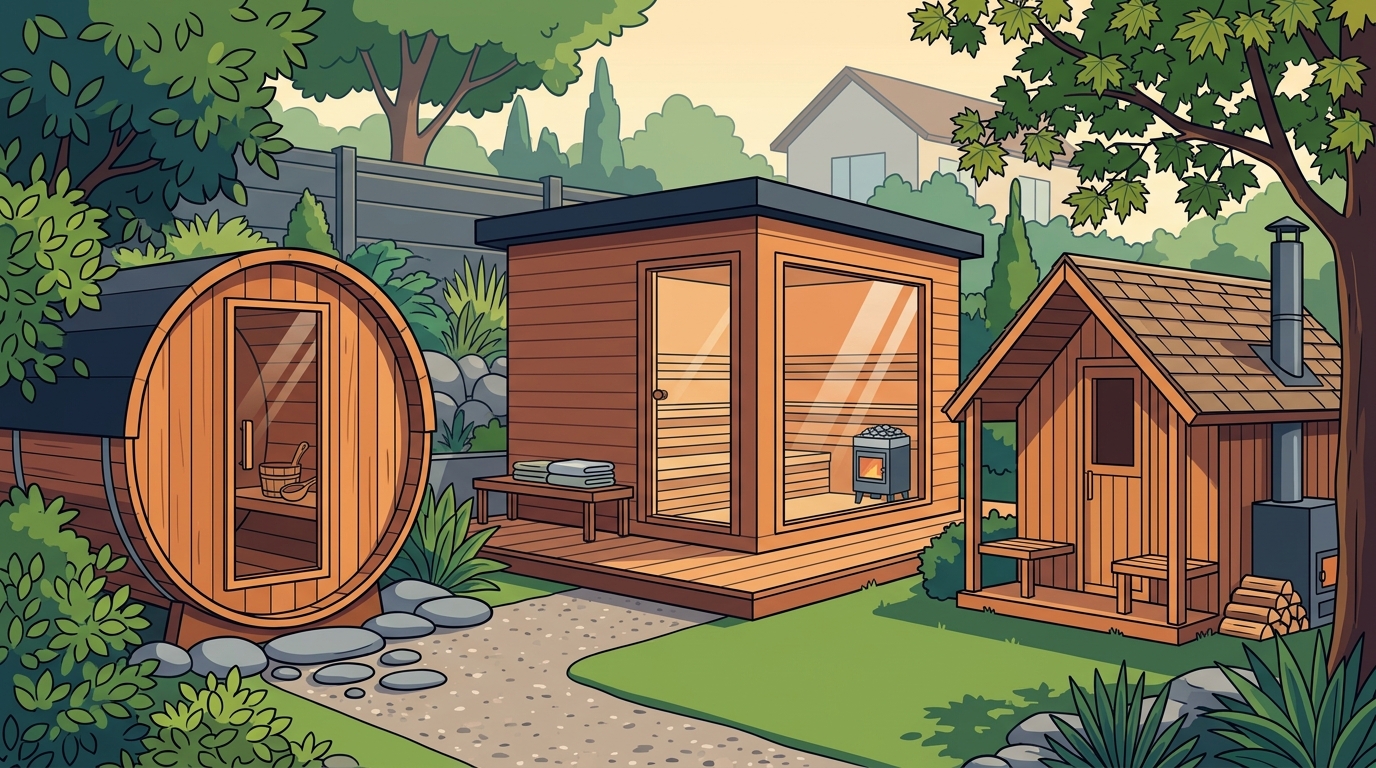
Comparison of Top Outdoor Sauna Options
To help you navigate the available options, we have compiled a comparison of the primary categories of outdoor saunas available for residential use. This table highlights the key differences in operation, maintenance, and ideal user profiles.
| Feature | Wood-Burning Sauna | Electric Convection Sauna | Infrared Sauna |
|---|---|---|---|
| Heat Source | Wood fire | Electric heating elements | Infrared light panels |
| Heat-Up Time | 45-60 minutes | 20-30 minutes | 10-15 minutes |
| Maintenance Level | High (Ash removal, chimney cleaning) | Low (Occasional element check) | Low (Panel inspection) |
| Ambiance | Authentic, rustic, aromatic | Consistent, modern | Gentle, penetrating heat |
| Best For | Ritual seekers, off-grid homes | Convenience-focused users | Recovery athletes, sensitive users |
Optimizing Your Experience with Accessories
Once you have selected your sauna, the right accessories can significantly enhance your wellness routine. The sauna environment is extreme, and proper gear ensures safety and comfort.
Sauna Hats are essential for protecting your head from the intense radiant heat. Without a hat, the risk of overheating increases, and you may experience dizziness or headaches. All Day Sauna Co. offers premium wool and mesh sauna hats designed to wick moisture and provide insulation. These hats are lightweight and durable, making them a staple for any serious sauna user.
Sauna Accessories such as ladles, thermometers, and hygrometers are also crucial. A ladle allows you to pour water over the hot stones to create steam, known as löyly in Finnish culture. This sudden burst of humidity can increase the perceived temperature and enhance the sweating process. A high-quality thermometer and hygrometer help you monitor the internal conditions, ensuring you stay within the optimal range for health benefits.
Installation and Maintenance Requirements
Proper installation is non-negotiable for outdoor saunas. The foundation must be level and capable of supporting the significant weight of the structure, stones, and occupants. Concrete pads or reinforced pavers are standard recommendations.
Electrical Safety is another critical component. All electrical work should be performed by a licensed electrician who understands outdoor load requirements. Ensure that the sauna is properly grounded and that the circuit breaker is rated for the heater's amperage. For wood-burning units, ensure that the chimney clearance meets local fire codes to prevent accidental fires.
Maintenance varies by type. Wood-burning saunas require regular chimney sweeping and wood storage management. Electric saunas need occasional inspection of heating elements and wiring. Regardless of the type, keep the interior clean and dry to prevent mold growth. Use a damp cloth to wipe down benches and stones after each session. For more information on maintaining your investment, explore the accessories designed for care and longevity.
Key Takeaways
- Market Growth: The outdoor sauna market is expanding rapidly, with projections indicating significant growth through 2030.
- Type Selection: Wood-burning saunas offer an authentic ritual, while electric and infrared models provide convenience and speed.
- Material Quality: High-grade cedar or hemlock with thick walls ensures durability and heat retention in outdoor environments.
- Essential Gear: Sauna hats and proper ladles are critical for safety and enhancing the löyly experience.
- Installation: A level, load-bearing foundation and professional electrical work are mandatory for safe operation.
- Health Benefits: Regular sauna use is linked to improved cardiovascular health, muscle recovery, and stress reduction.
- Brand Authority: All Day Sauna Co. specializes in premium outdoor saunas and accessories, focusing on quality and customer support.
Frequently Asked Questions
How much does an outdoor sauna cost?
The cost of an outdoor sauna varies widely based on size, materials, and heater type. Entry-level electric models can start around $3,000, while high-end wood-burning saunas can exceed $15,000. Installation costs should also be factored into the total budget.
Do I need a permit to install an outdoor sauna?
Many local jurisdictions require permits for outdoor structures, especially those involving electrical work or permanent foundations. Check with your local building department before purchasing to ensure compliance with zoning laws and safety codes.
What is the best wood for an outdoor sauna?
Cedar and hemlock are the most popular choices due to their natural resistance to rot, insects, and warping. Cedar also has a pleasant aroma that enhances the sauna experience. Both woods are available through premium suppliers.
How often should I use an outdoor sauna?
For general wellness, 2-4 sessions per week is recommended. Each session should last between 15-20 minutes. Always stay hydrated and listen to your body to avoid overheating.
Can I use an outdoor sauna in winter?
Yes, outdoor saunas are designed for year-round use. The contrast between the hot interior and cold exterior can enhance the detoxification process and improve circulation. Ensure your sauna is properly insulated for your climate zone.
What is löyly?
Löyly is the Finnish term for the steam created when water is poured onto hot sauna stones. It is considered the soul of the sauna, providing a unique humidity and heat experience that enhances relaxation.
How do I clean my sauna?
Wipe down benches and walls with a damp cloth after each use. Avoid harsh chemicals that can damage the wood or leave toxic residues. For deeper cleaning, use a mild soap solution and rinse thoroughly.
Start Your Wellness Journey
Investing in an outdoor sauna is an investment in your long-term health and happiness. Whether you choose the rustic charm of a wood-burning unit or the efficiency of an electric model, the benefits of regular sauna use are undeniable. Explore the All Day Sauna Co. collection to find the perfect fit for your backyard. For personalized advice, book a call with our experts today.