
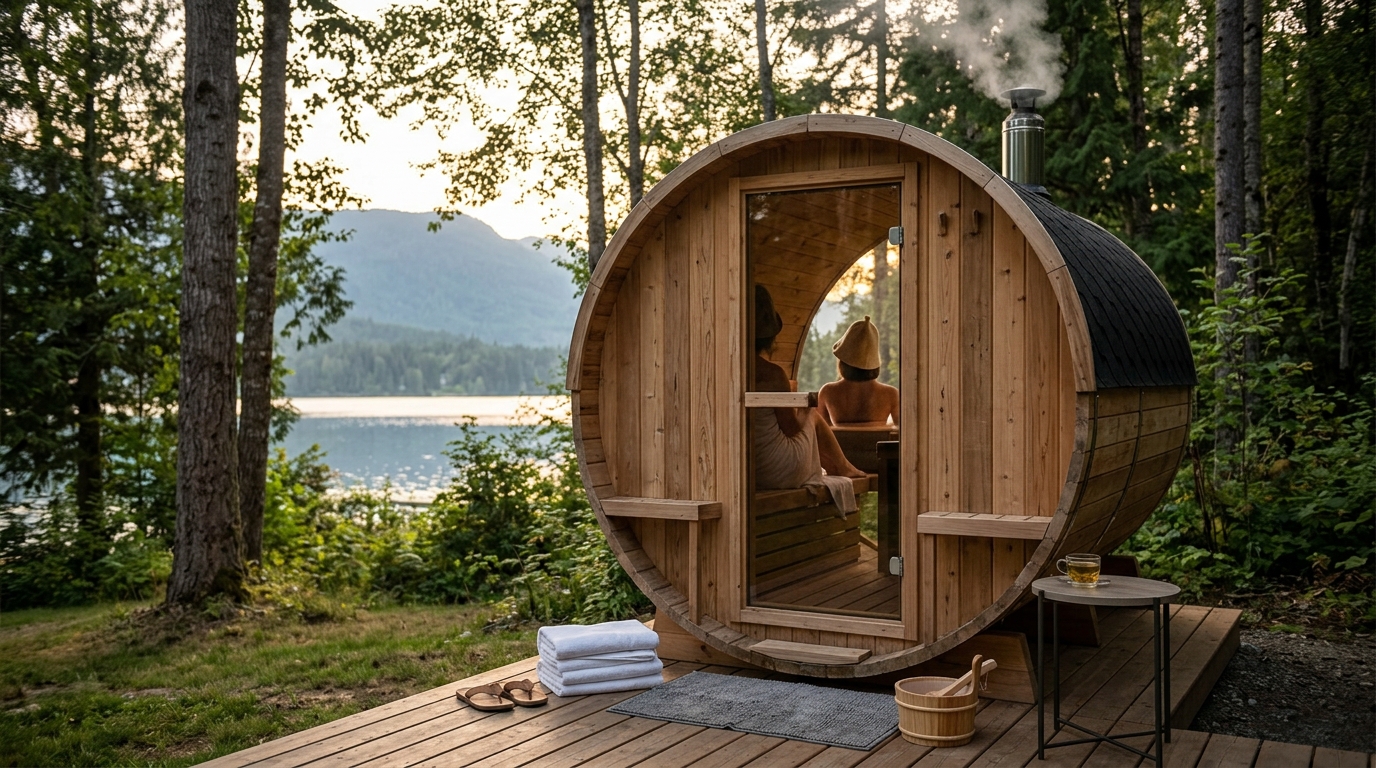
Outdoor living has evolved from simple patio furniture to comprehensive wellness sanctuaries. According to recent industry data, the global sauna market is projected to grow significantly, with North America leading in residential adoption rates. This surge reflects a broader cultural shift toward prioritizing mental clarity and physical recovery in home environments. Building or purchasing an outdoor sauna is no longer a luxury reserved for estates; it is a strategic investment in long-term health and property value.
Why Invest in an Outdoor Sauna?
The decision to install an outdoor sauna extends beyond mere relaxation. It represents a commitment to a disciplined wellness routine. Unlike indoor saunas, which often require complex HVAC modifications and structural reinforcement, outdoor units like those offered by All Day Sauna Co. are designed for immediate deployment. These structures serve as a dedicated space for disconnecting from digital noise and reconnecting with physical sensations.
Furthermore, an outdoor sauna acts as a powerful real estate asset. Homes equipped with dedicated wellness amenities often command higher resale values. The appeal lies in the versatility of the space. It functions as a gym, a meditation retreat, and a social hub for entertaining guests. The privacy of a backyard sauna allows for vulnerability and relaxation that public facilities cannot provide.
Comparing Sauna Types and Materials
Understanding the construction materials is critical for longevity. The two primary materials used in high-quality outdoor saunas are cedar and hemlock. Each offers distinct advantages regarding durability, scent, and thermal performance.
Cedar vs. Hemlock
Cedar is renowned for its natural resistance to rot, insects, and decay. It contains natural oils that prevent moisture absorption, making it ideal for humid climates. The aromatic scent of cedar is also known to have calming effects on the nervous system. Hemlock, while slightly less aromatic, offers a smoother finish and is often more affordable. It is a dense wood that holds heat exceptionally well, providing a consistent thermal experience.
Infrared vs. Traditional Wood-Burning
The heating mechanism defines the user experience. Traditional wood-burning saunas use a high-temperature stove to heat rocks, which can be thrown with water to create steam or löyly. This method provides intense, dry heat that penetrates deep into tissues. Infrared saunas, on the other hand, use light to heat the body directly rather than the air. This allows for a lower ambient temperature with a perceived deeper heat effect, making it accessible for those who find traditional saunas too intense.

Proven Health Benefits of Heat Therapy
The physiological impacts of regular sauna use are well-documented in medical literature. The process of heating the body triggers a cascade of beneficial responses, from cardiovascular improvement to muscle recovery.
Cardiovascular Health
Regular sauna sessions mimic the effects of moderate exercise. The heart rate increases, and blood vessels dilate to dissipate heat. This process improves circulation and lowers blood pressure over time. Studies suggest that frequent sauna users have a reduced risk of cardiovascular diseases. The heat stress places a positive load on the heart, strengthening its efficiency.
Muscle Recovery and Pain Relief
For athletes and active individuals, the sauna is a critical recovery tool. The heat helps to flush out lactic acid and reduce inflammation in sore muscles. This is particularly useful after high-intensity workouts or heavy lifting. The relaxation of muscle fibers also alleviates chronic pain conditions such as arthritis and fibromyalgia.
Mental Clarity and Stress Reduction
Heat therapy stimulates the release of endorphins, the body's natural feel-good chemicals. This biochemical response reduces feelings of anxiety and depression. The quiet, warm environment encourages mindfulness and meditation. Many users report improved sleep quality after regular sauna use, as the post-sauna drop in core temperature signals the body to rest.
Essential Sauna Maintenance and Care
To ensure your outdoor sauna lasts for decades, proper maintenance is non-negotiable. Neglecting basic care can lead to warping, cracking, or mold growth. The key to longevity lies in consistent, simple routines.
Regular Cleaning
Sweat and body oils accumulate on benches and walls over time. This buildup can cause unpleasant odors and degrade the wood. Clean your sauna interior with a soft brush and mild soap solution. Avoid harsh chemicals that can strip the natural oils from the wood. Rinse thoroughly and allow the sauna to dry completely with the door open.
Wood Treatment and Oiling
Applying a high-quality sauna oil protects the wood from UV rays and moisture. This should be done annually, or more frequently in harsh climates. The oil penetrates the wood fibers, preventing them from drying out and cracking. It also enhances the natural color of the cedar or hemlock, keeping the sauna looking pristine.
Roof and Exterior Care
The roof is the first line of defense against the elements. Keep it free of leaves and debris to prevent water pooling. Inspect the exterior for any signs of wear or damage. Promptly addressing minor issues prevents them from becoming major structural problems.
Essential Accessories for the Sauna Enthusiast
While the sauna structure is the foundation, the right accessories elevate the experience. These items are not merely decorative; they are functional tools that enhance safety, comfort, and hygiene.
Sauna Hats
A sauna hat is an essential piece of gear for traditional saunas. It insulates the head from the intense heat rising from the stove. This allows you to stay in the sauna longer without discomfort or dizziness. High-quality sauna hats are made from dense wool or breathable mesh, offering different levels of insulation and comfort.
Thermometers and Hygrometers
Monitoring the temperature and humidity levels is crucial for a safe and effective session. A reliable thermometer ensures you are within the optimal range for your goals. A hygrometer measures humidity, which affects how the heat feels. Together, these tools provide the data needed to adjust your session for maximum benefit.
Sauna Ladles and Oils
A long-handled ladle allows you to pour water on the rocks safely from a distance. This creates the desired steam without risking burns. Pair this with essential oils to enhance the aromatic experience. Oils like eucalyptus or pine can open airways and promote relaxation. Always use oils specifically formulated for saunas to avoid damaging the rocks or heater.
Key Takeaways
- Outdoor saunas are a high-value investment that boosts property appeal and personal wellness.
- Cedar offers natural rot resistance and aroma, while hemlock provides a smooth, heat-retentive surface.
- Regular heat therapy improves cardiovascular health, aids muscle recovery, and reduces stress.
- Annual oiling and regular cleaning are essential to prevent wood degradation and maintain hygiene.
- Sauna hats protect the head from heat, allowing for longer, more comfortable sessions.
- Monitoring temperature and humidity with dedicated tools ensures safety and optimal performance.
- Choosing the right accessories, such as ladles and oils, enhances the overall sauna experience.
Frequently Asked Questions
How often should I oil my outdoor sauna?
You should oil your outdoor sauna at least once a year. In regions with harsh sun or heavy rain, twice a year may be necessary to maintain the wood's integrity and appearance.
What is the difference between cedar and hemlock saunas?
Cedar is naturally resistant to rot and insects and has a distinct aromatic scent. Hemlock is denser, offers a smoother finish, and is generally more affordable, but lacks the natural oils of cedar.
Can I use my outdoor sauna in the winter?
Yes, outdoor saunas are designed for year-round use. The insulation and construction materials are built to withstand temperature fluctuations. Many users find winter sauna sessions particularly invigorating.
How do I clean the sauna rocks?
Inspect the rocks regularly for cracks or dust buildup. Remove any loose debris and wipe them down with a damp cloth. Replace any rocks that are crumbling or excessively cracked to ensure safety and efficiency.
What temperature should my sauna be?
Traditional saunas typically operate between 150°F and 195°F. Infrared saunas operate at lower temperatures, usually between 120°F and 140°F. The ideal temperature depends on personal preference and tolerance.
Do I need a permit to install an outdoor sauna?
Permit requirements vary by local zoning laws. It is essential to check with your local building department before installation. Some jurisdictions may require permits for structures over a certain size.
How long does it take to heat a traditional sauna?
A traditional wood-burning or electric sauna typically takes 30 to 45 minutes to reach the desired temperature. Preheating time can vary based on the size of the sauna and the power of the heater.
Start Your Sauna Journey
Investing in an outdoor sauna is a decision that pays dividends in health, happiness, and home value. Whether you choose a traditional wood-burning model or a modern infrared unit, the benefits are undeniable. Explore our curated collection of premium saunas and essential accessories to build your perfect wellness sanctuary. Contact our team today to discuss your specific needs and begin your journey to a healthier life.