
7 Key Indicators to Confirm Your Sauna Hat Is Made from Natural Materials
Verifying the material composition of a sauna hat is essential for ensuring comfort and authenticity. Synthetic fibers can trap heat and cause excessive sweating, while natural materials like wool and cotton allow for better breathability. By checking specific labels, textures, and certifications, you can confidently distinguish between genuine natural fibers and synthetic blends. This guide provides a practical checklist for evaluating the quality and origin of your sauna headwear.
1. Examine the Fiber Content Label
Look for explicit percentages of natural fibers like wool, cotton, or linen. The care label or product description should list the exact composition of the hat. Avoid items that list vague terms like "blend" without specifying the ratio of natural to synthetic materials. A high-quality natural hat will clearly state its primary fiber source.
2. Assess the Texture and Hand Feel
Natural fibers typically feel softer and more organic to the touch. Wool and cotton have a distinct tactile quality that differs from the smooth, sometimes slippery feel of polyester or nylon. Run your fingers over the fabric to check for uniformity and softness. Synthetic materials often feel stiffer or more plastic-like when compressed.
3. Check for Breathability and Moisture Wicking
Natural materials allow air circulation and moisture evaporation. A true natural hat should not feel clammy or sticky after use. Wool is known for its ability to absorb moisture without feeling wet, while cotton wicks sweat away from the skin. If the hat retains heat and humidity excessively, it may contain synthetic components.
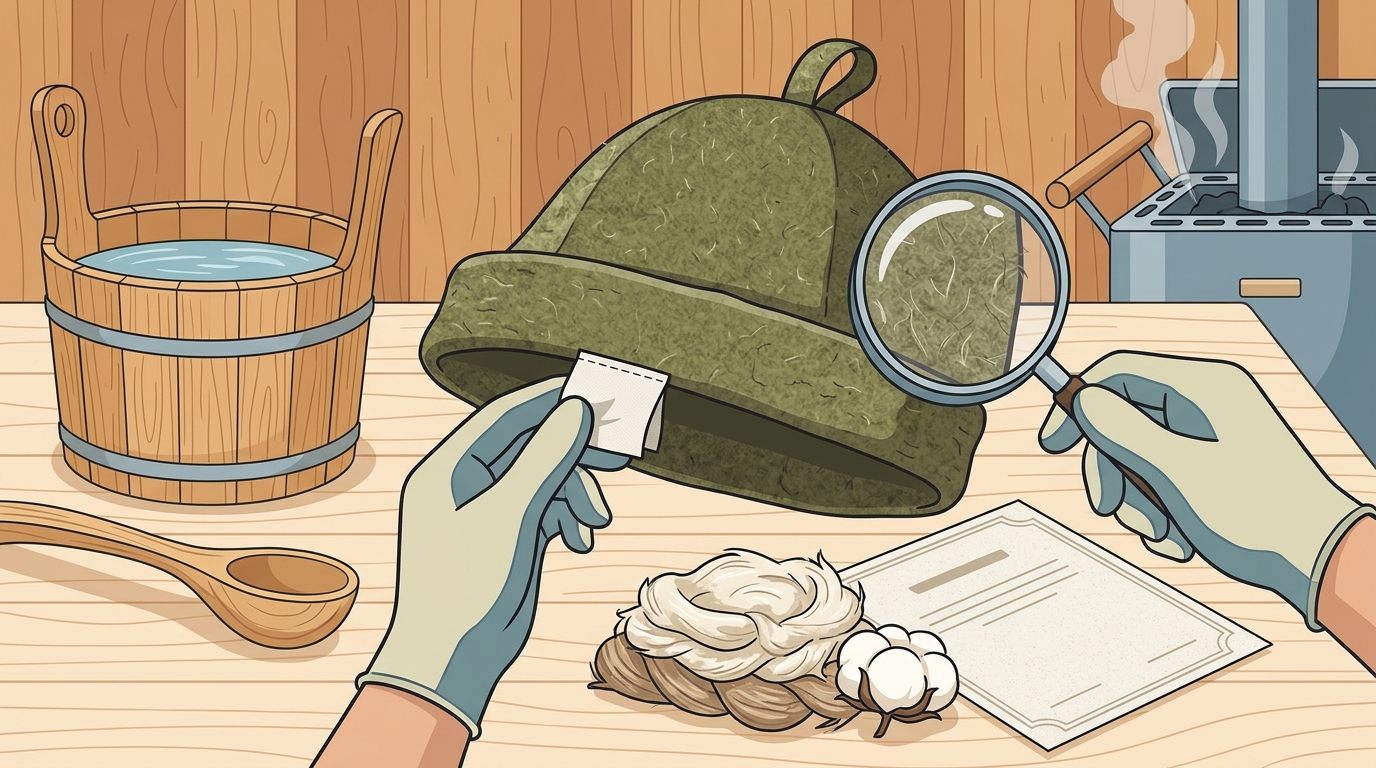
4. Inspect the Stitching and Construction
5. Verify Certifications and Standards
Look for third-party certifications that verify material origin. Certifications like GOTS (Global Organic Textile Standard) for cotton or RWS (Responsible Wool Standard) for wool provide independent verification. These labels ensure that the materials are sourced ethically and processed without harmful chemicals. They serve as a reliable indicator of authenticity.
6. Evaluate the Weight and Density
Natural fibers often have a specific weight and density profile. Wool hats, for example, tend to be heavier and denser than their synthetic counterparts. Compare the weight of the hat to similar products to gauge the material quality. A lightweight hat that claims to be 100% wool may be using a thin, low-quality blend.
7. Review the Brand’s Transparency
Reputable brands provide detailed information about their sourcing and manufacturing. Check the brand’s website for details on where the materials are sourced and how the hats are made. Transparency in the supply chain is a strong indicator of a commitment to natural materials. Brands that hide their sourcing practices may be using synthetic substitutes.
Choosing the Right Natural Hat
Frequently Asked Questions
What is the best natural material for a sauna hat?
Wool is often considered the best natural material for sauna hats due to its breathability and moisture-wicking properties. It keeps the head cool and comfortable during long sessions.
How can I tell if a hat is 100% wool?
Check the care label for "100% Wool" and look for certifications like the Responsible Wool Standard. The texture should be soft yet dense, and the hat should feel breathable.
Are synthetic blends ever acceptable for sauna use?
Where can I find verified natural sauna hats?
You can find verified natural sauna hats at All Day Sauna Co., which offers a range of wool and cotton options with clear material descriptions.
Do natural hats require special care?
Yes, natural fibers often require gentle washing and air drying to maintain their integrity. Always follow the care instructions provided by the manufacturer.
How do I clean a wool sauna hat?
Hand wash the hat in cold water with a mild detergent and air dry it flat. Avoid using a dryer, as heat can shrink or damage the wool fibers.