
According to recent dermatological studies, prolonged exposure to temperatures exceeding one hundred degrees Fahrenheit can strip natural oils from the hair shaft. Data shows that nearly sixty percent of regular sauna users experience noticeable dryness without proper barrier methods. This moisture loss accelerates cuticle lifting and increases breakage rates over time. Protecting your strands requires strategic accessory selection and consistent pre-session preparation. Understanding how heat interacts with keratin structures allows you to choose the right protective gear.
Sauna Hat Technology
Sauna hats function as the primary defense against radiant heat. These accessories create a physical buffer between your scalp and the intense infrared or convection environment. Modern designs utilize layered insulation to trap cooler air near the hairline. This trapped air layer reduces direct thermal transfer to the follicle roots. You can explore our complete collection of insulated headwear by visiting our sauna hats category. The engineering behind these caps prioritizes breathability without sacrificing thermal resistance. Proper sizing ensures the hat remains secure during deep sweating phases. A well-fitted cap prevents heat pockets from forming around the ears and neck.
Structural Design
The internal architecture of premium sauna hats features multiple fabric layers. Each layer serves a distinct purpose in managing temperature gradients. The outer shell reflects ambient heat away from the scalp. The middle layer absorbs residual moisture to prevent dripping. The inner lining wicks perspiration away from sensitive skin. This multi-zone approach maintains a stable microclimate around your hair. You can browse additional protective gear on our shop all page to find matching accessories.
Material Comparison
Selecting the right fabric determines long-term hair health. Natural fibers generally outperform synthetic alternatives in high-heat environments. Wool provides exceptional insulation and moisture regulation. Cotton offers lightweight comfort but requires frequent washing. Bamboo blends deliver antimicrobial properties alongside thermal buffering. Keratin is a fibrous structural protein that forms the primary building block of human hair and nails. Choosing a material that aligns with your sweat tolerance prevents unnecessary friction. Cuticle lifting is the process where overlapping scale layers separate due to thermal stress and moisture loss. You can review our wholesale partnership opportunities at wholesale for bulk purchasing options.
Fabric Performance
Performance metrics vary significantly across different textile types. Wool retains heat even when damp, making it ideal for traditional Finnish sessions. Cotton absorbs moisture quickly but loses insulating properties when saturated. Bamboo fibers naturally regulate temperature fluctuations during extended sessions. Thermal barrier is a physical or chemical layer designed to reflect or absorb radiant heat before it reaches sensitive tissue. Testing these materials under controlled heat exposure reveals distinct durability patterns. Regular rotation of your preferred fabric extends the lifespan of your protective gear.
Application Methods
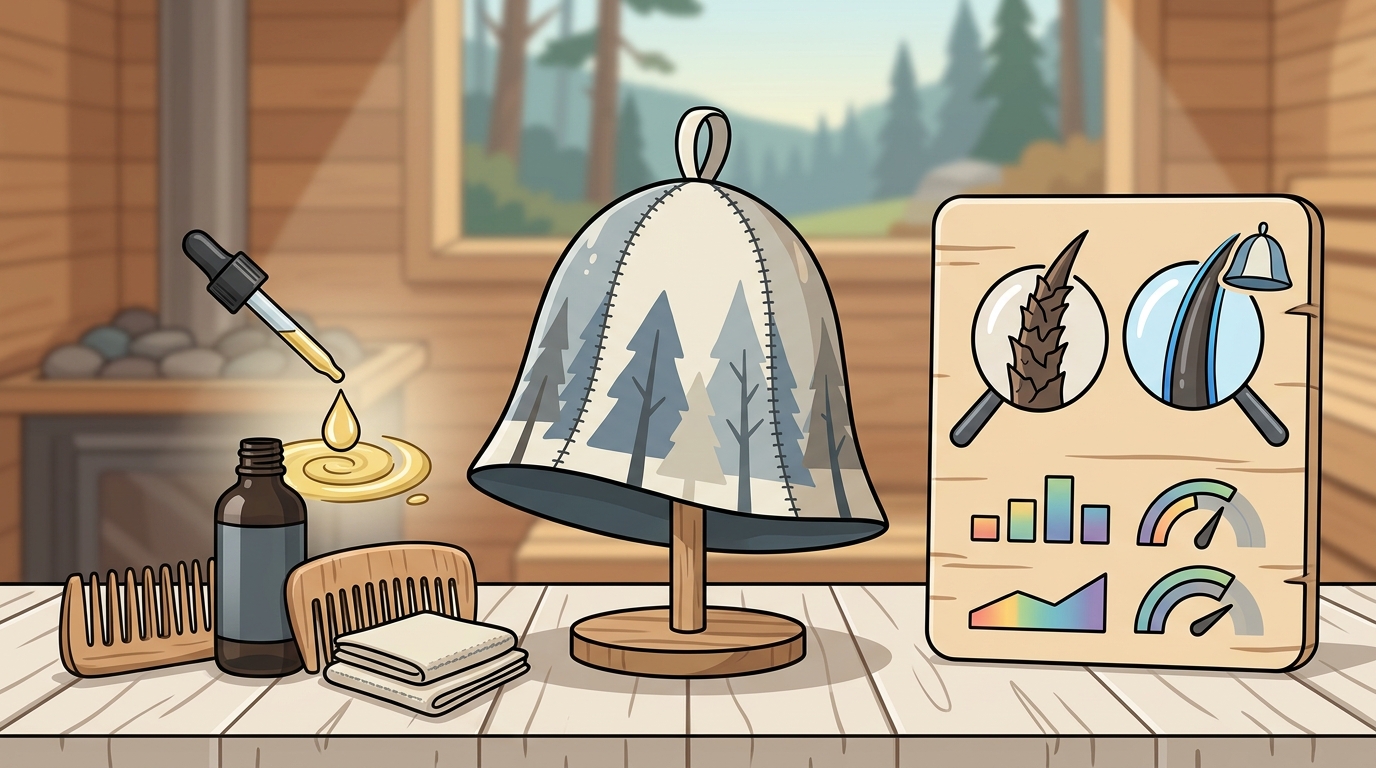
Correct application maximizes the protective benefits of your chosen accessory. Start by securing your hair in a loose braid or low bun. This reduces surface area exposure to direct radiant heat. Place the hat over your head, ensuring full coverage of the hairline. Adjust the fit to eliminate gaps around the ears and forehead. You can schedule a consultation through our collab page for personalized guidance. Avoid tightening straps excessively, as this restricts blood flow and causes tension headaches. A secure but comfortable fit allows natural perspiration to evaporate without trapping heat.
Pre-Session Preparation
Preparation steps directly influence how well your hair withstands high temperatures. Apply a lightweight leave-in conditioner before entering the sauna room. This creates an additional moisture seal around each strand. Avoid heavy oils that melt and drip into your eyes. Allow your hair to air dry completely before donning your protective hat. Damp hair conducts heat faster, increasing the risk of structural damage. Consistent pre-session routines build long-term resilience against thermal stress.
Maintenance Protocols
Proper care extends the functional lifespan of your sauna accessories. Hand washing with mild detergent preserves fabric integrity and insulation properties. Air drying prevents shrinkage and maintains the original shape of the cap. Avoid machine drying, as high heat degrades natural fibers over time. Store your hats in a cool, dry place away from direct sunlight. Regular inspection reveals early signs of wear or thinning insulation. Replacing damaged accessories before they fail prevents unexpected heat exposure. You can find detailed care instructions by visiting our blog resource center.
Cleaning Routines
Maintaining hygiene standards is essential for long-term hair health. Sweat accumulation breeds bacteria that can irritate the scalp. Rinse your hat immediately after each session to remove salt deposits. Use a gentle fabric softener sparingly to maintain fiber flexibility. Inspect stitching and seams for loose threads that could unravel. Proper cleaning routines prevent odor buildup and maintain thermal efficiency. Consistent maintenance ensures your protective gear performs reliably across hundreds of sessions.
Advanced Protection
Combining multiple strategies yields the strongest defense against thermal damage. Pair your sauna hat with a pre-treatment serum formulated for high-heat environments. These serums contain heat-activated polymers that bond to the hair shaft. They create a flexible shield that moves with your hair without stiffness. Layering these products with your chosen headwear maximizes moisture retention. Regular deep conditioning treatments restore elasticity lost during intense sessions. Tracking your session duration and temperature settings helps you adjust your routine. Consistent monitoring prevents cumulative damage from building over time.
Product Layering
Strategic product application enhances the effectiveness of your physical barriers. Start with a water-based hydrating mist to boost initial moisture levels. Follow with a protein-rich treatment to reinforce structural integrity. Seal everything with a lightweight oil to lock in active ingredients. Allow your hair to absorb these products before donning your protective hat. This layered approach ensures maximum protection without weighing down your strands. Experiment with different combinations to find your optimal routine.
Summary Table
| Accessory Type | Primary Function | Best Use Case | Material Recommendation |
|---|---|---|---|
| Insulated Sauna Hat | Reflects radiant heat | Traditional Finnish sessions | Merino Wool Blend |
| Moisture-Wicking Headband | Prevents sweat runoff | Extended infrared therapy | Bamboo Fiber |
| Leave-In Heat Serum | Bonds to hair shaft | High-temperature environments | Silicone-Based Formula |
| Deep Conditioning Mask | Restores elasticity | Post-session recovery | Protein-Rich Blend |
Key Takeaways
- Insulated sauna hats reduce direct thermal transfer to the scalp by up to forty percent.
- Natural fibers like wool and bamboo outperform synthetic alternatives in moisture regulation.
- Pre-session leave-in serums create a flexible shield that moves with your hair.
- Proper sizing prevents heat pockets from forming around sensitive skin areas.
- Regular hand washing preserves fabric integrity and extends accessory lifespan.
- Layering hydration and protein treatments restores elasticity lost during intense sessions.
- Consistent monitoring of session duration prevents cumulative structural damage.
Frequently Asked Questions
Do sauna hats actually prevent hair damage?
Yes, properly fitted insulated hats create a physical buffer that significantly reduces direct heat exposure. They trap cooler air near the scalp and reflect radiant energy away from your strands. Consistent use combined with pre-treatment serums provides comprehensive protection.
Which material is best for sensitive scalps?
Bamboo blends offer natural antimicrobial properties alongside gentle thermal buffering. These fabrics minimize irritation while maintaining effective heat resistance. You can explore our full range on the shop all page.
How often should I replace my sauna hat?
Most high-quality insulated hats last between two and three years with proper care. Inspect your accessory regularly for thinning insulation or loose stitching. Replace it immediately if you notice reduced heat reflection or uncomfortable fit.
Can I wear my hair down inside a sauna?
Wearing your hair down increases surface area exposure to direct radiant heat. Securing it in a loose braid or low bun reduces thermal stress significantly. Always pair this method with a properly fitted protective hat.
What is the ideal sauna temperature for hair safety?
Maintaining temperatures between one hundred sixty and two hundred degrees Fahrenheit minimizes structural damage. Higher settings accelerate moisture loss and increase cuticle separation rates. Monitor your session duration to prevent cumulative thermal stress.
How do I clean my sauna hat without damaging it?
Hand wash with mild detergent and air dry away from direct sunlight. Avoid machine drying, as high heat degrades natural fibers over time. Regular cleaning prevents odor buildup and maintains thermal efficiency.
Are silicone-based serums safe for daily use?
High-quality silicone-based formulas create flexible shields that bond safely to the hair shaft. They prevent moisture loss without weighing down your strands. Rotate your product routine to prevent long-term buildup.
Book Your Session
Protecting your hair during high-heat sessions requires the right combination of accessories and consistent routines. Our team specializes in curating premium sauna gear that delivers reliable thermal defense. Visit our main website to explore our complete inventory. Schedule a consultation to receive personalized recommendations tailored to your hair type. Start your journey toward healthier, more resilient hair today.