
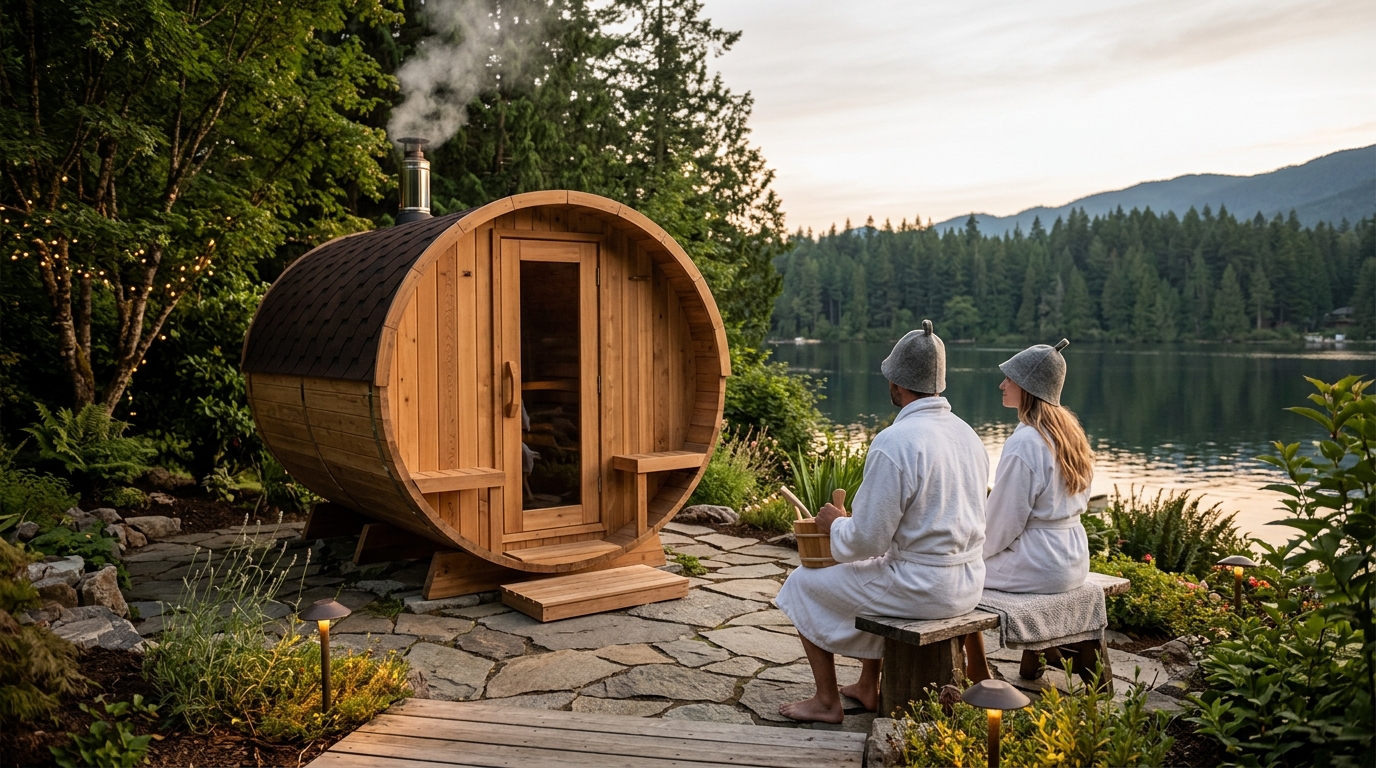
The global wellness market has seen a dramatic shift toward outdoor living spaces, with the outdoor sauna segment experiencing significant growth in recent years. According to recent industry reports, the demand for backyard relaxation units has surged, reflecting a broader cultural move toward personal health and home-based wellness. This guide explores how to select, install, and maintain a premium outdoor sauna to maximize your investment and enjoyment.
Why Invest in an Outdoor Sauna?
Outdoor saunas offer a unique blend of relaxation and connection with nature. Unlike indoor units, outdoor saunas allow you to experience temperature contrasts, such as stepping out into cool air or a garden setting. This thermal contrast is a core component of the sauna experience for many enthusiasts.
Building a sauna in your backyard creates a dedicated sanctuary for stress relief. It serves as a private retreat away from the distractions of daily life. The aesthetic appeal of a well-designed sauna also adds value to your property. It transforms an ordinary yard into a luxury wellness destination.
Furthermore, outdoor saunas are built to withstand various weather conditions. High-quality units use durable materials like cedar or hemlock, which resist rot and insect damage. This durability ensures that your investment lasts for decades with proper care. You can enjoy your sauna year-round, regardless of the season.
Choosing the Right Sauna Type
Selecting the right sauna depends on your space, budget, and usage preferences. All Day Sauna Co. offers a range of options to suit different needs. Understanding the differences between these types is crucial for making an informed decision.
Traditional Wood-Burning Saunas
Wood-burning saunas provide an authentic experience with the crackle of fire and the scent of burning wood. They are ideal for those who want a classic, rustic feel. These units often require a chimney and proper ventilation clearance.
The heat retention in wood-burning units is excellent. They maintain a steady temperature for long sessions. However, they require more effort to start and manage the fire. You must also clean the chimney regularly to prevent creosote buildup.
Electric Infrared and Traditional Saunas
Electric saunas offer convenience and precise temperature control. They heat up quickly and are easier to maintain than wood-burning units. Infrared saunas use light to heat the body directly, while traditional electric saunas heat the air.
Electric units are perfect for urban backyards where fire restrictions apply. They are also safer for families with young children or pets. The installation process is simpler, requiring only a dedicated electrical circuit.
Portable and Barrel Saunas
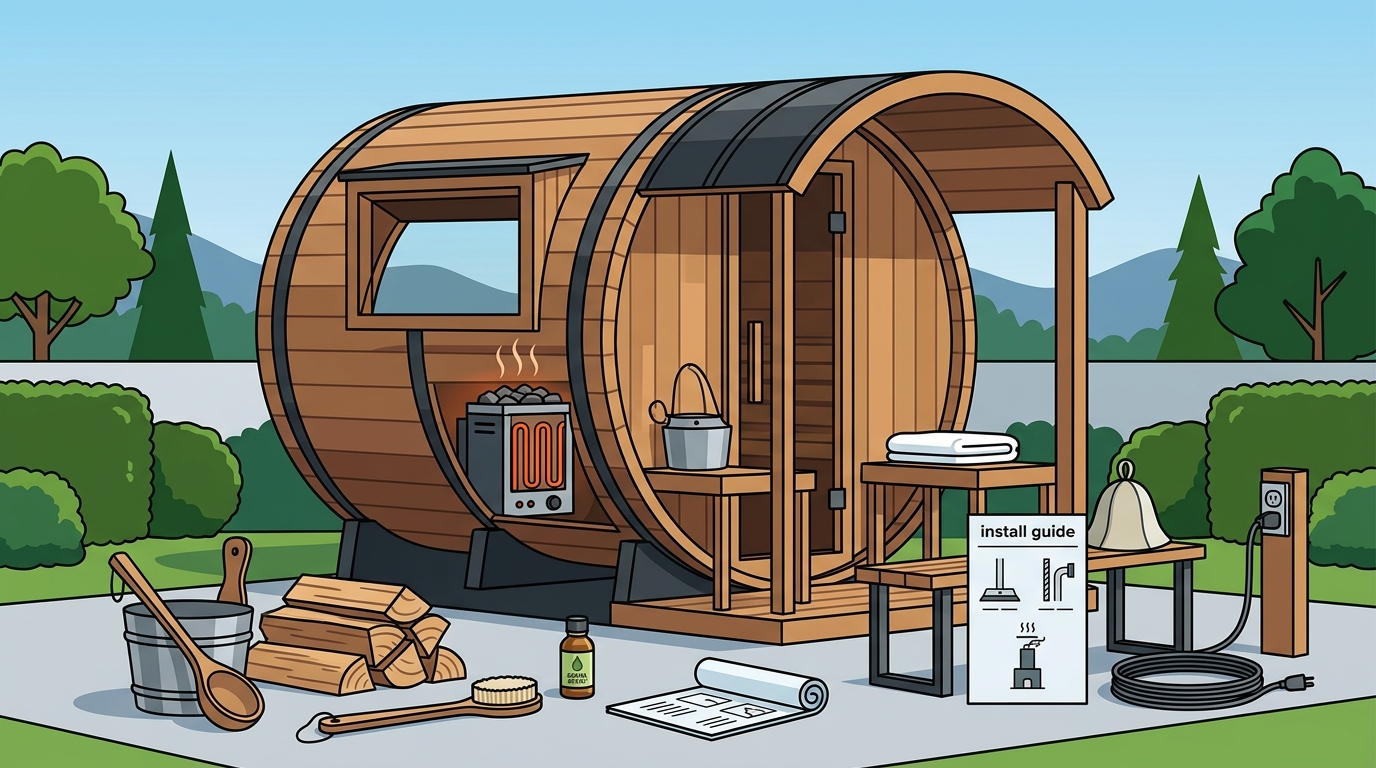
Portable saunas are great for renters or those with limited space. Barrel saunas are constructed from curved staves, which provide structural strength without heavy framing. They are easier to move than traditional box-style saunas.
These units are often pre-built, reducing installation time. They can be placed on a level surface like a patio or deck. The compact design makes them efficient for heating small spaces.
Installation and Site Preparation
Proper installation is key to the safety and longevity of your sauna. The site must be level, stable, and well-ventilated. A solid foundation prevents shifting and ensures the door operates smoothly.
Foundation Options
Common foundation options include concrete pads, gravel beds, and wooden decks. Concrete provides the most stability and durability. Gravel allows for drainage and is easier to install. Wooden decks must be reinforced to support the weight of the sauna and wet wood.
Ensure your foundation is at least two inches larger than the sauna base on all sides. This overhang protects the foundation from water damage and provides a clean look. Proper leveling is critical to prevent door misalignment.
Electrical and Ventilation Requirements
Electric saunas require a licensed electrician to install a dedicated circuit. The voltage and amperage must match the sauna heater specifications. Always follow local building codes and regulations.
Ventilation is essential for air quality and heat distribution. Most saunas have pre-drilled holes for intake and exhaust vents. Ensure these are not blocked by furniture or landscaping. Good airflow prevents mold and mildew growth.
Essential Accessories for Comfort
Enhance your sauna experience with high-quality accessories. These items improve comfort, safety, and hygiene. All Day Sauna Co. specializes in premium gear designed for serious sauna lovers.
Sauna Hats
A sauna hat protects your hair from excessive heat and sweat. It also keeps your forehead cool, allowing you to stay in the sauna longer. Wool and mesh are popular materials for their breathability and insulation properties.
Wool hats absorb moisture and provide excellent insulation. Mesh hats allow for maximum airflow and quick drying. Choose a hat that fits comfortably and stays in place during your session.
Thermometers and Hygrometers
Monitoring temperature and humidity is crucial for a safe sauna session. A thermometer helps you track the heat level. A hygrometer measures the humidity, which affects how the heat feels.
Place these instruments at head level for accurate readings. Digital models offer precision and easy reading. Analog models add a classic touch to your sauna interior.
Ladles and Oils
A wooden ladle is used to pour water on hot rocks to create steam, or "löyly." Wooden ladles do not get as hot as metal ones, making them safer to handle. Choose a ladle with a comfortable grip.
Sauna oils can enhance the aroma and relaxation experience. Essential oils like eucalyptus or pine are popular choices. Always use oils specifically designed for saunas to avoid damaging the rocks or heater.
Maintenance and Longevity
Regular maintenance keeps your sauna in top condition. It prevents damage from moisture, heat, and environmental factors. A well-maintained sauna provides years of enjoyment.
Cleaning and Drying
After each use, wipe down the benches and walls to remove sweat and dirt. Leave the door and vents open to allow the sauna to dry completely. This prevents mold and mildew growth.
Use a soft brush to clean the rocks periodically. Remove any debris or dust that may have accumulated. Avoid using harsh chemicals that can damage the wood or heater.
Wood Care and Finishing
The interior wood of your sauna should never be finished with varnish or paint. These coatings can release toxic fumes when heated. The exterior wood can be treated with a protective oil or stain to prevent weathering.
Apply exterior oil annually to maintain the wood's color and protection. Sand any rough spots before applying the oil. This keeps the wood looking new and extends its lifespan.
Winter Care
If you live in a cold climate, take steps to protect your sauna in winter. Keep the heater running at a low temperature to prevent freezing. Ensure the foundation does not shift due to frost heave.
Remove snow from the roof and around the base regularly. This prevents excess weight and moisture damage. Insulate the pipes and electrical lines if they are exposed.
Key Takeaways
- Outdoor saunas provide a unique wellness experience by combining heat with nature.
- Choose between wood-burning, electric, and portable models based on your space and preferences.
- Proper installation requires a level foundation and correct electrical connections.
- Sauna hats protect hair and improve comfort during high-heat sessions.
- Regular cleaning and drying prevent mold and maintain wood integrity.
- Exterior wood should be oiled annually to protect against weather damage.
- All Day Sauna Co. offers premium accessories to enhance your sauna routine.
Frequently Asked Questions
How long does it take to heat an outdoor sauna?
Electric saunas typically heat up in 30 to 45 minutes. Wood-burning saunas may take 45 to 60 minutes depending on the wood type and weather conditions. Infrared saunas heat up quickly but reach lower temperatures.
Can I use my outdoor sauna in the rain?
Yes, most outdoor saunas are designed to withstand rain. The wood is treated to resist moisture. However, it is best to avoid pouring water on the rocks during heavy rain to prevent steam burns.
What is the best material for sauna benches?
Cedar and hemlock are the most common materials for sauna benches. They are resistant to rot and insects. They also have a pleasant aroma and do not get as hot as other woods.
Do I need a permit to install an outdoor sauna?
Permit requirements vary by location. Some areas require permits for structures over a certain size. Check with your local building department to ensure compliance with zoning laws.
How do I clean sauna rocks?
Remove the rocks and brush off any debris. Soak them in water to remove dust. Replace any cracked or broken rocks to ensure even heat distribution.
What is the ideal sauna temperature?
Traditional saunas are typically heated to 150 to 195 degrees Fahrenheit. Infrared saunas operate at lower temperatures, around 120 to 140 degrees Fahrenheit. Personal preference plays a large role in the ideal temperature.
How often should I oil the exterior of my sauna?
Apply exterior oil once a year, preferably in the spring or fall. This protects the wood from UV rays and moisture. Regular oiling extends the life of your sauna.
Start Your Sauna Journey
Ready to build your own outdoor sanctuary? Explore our premium sauna collection and find the perfect fit for your backyard. Discover our essential sauna hats and accessories to enhance your experience. For personalized advice, book a call with our team today.