

Building a personal wellness sanctuary in your backyard has transitioned from a luxury niche to a mainstream lifestyle investment. According to recent industry reports, the global sauna market is projected to grow significantly, with the North American segment leading the charge in residential adoption. This surge is driven by a growing consumer focus on holistic health, stress reduction, and the desire for private, year-round relaxation spaces. Understanding the nuances of outdoor sauna construction, heating methods, and maintenance is essential for making a sound investment that enhances both property value and daily well-being.
Why Invest in an Outdoor Sauna?
Outdoor saunas offer a unique blend of nature immersion and therapeutic heat. Unlike indoor units, outdoor models allow you to experience the elements while sweating, which many users find enhances the detoxification process. The contrast between the hot interior and the cool outdoor air stimulates circulation and boosts the immune system. Furthermore, owning a sauna is a proven way to increase property value. Real estate experts often note that wellness amenities, such as hot tubs and saunas, provide a high return on investment by appealing to buyers seeking luxury lifestyle features. (Shop All ndash All)
Additionally, an outdoor sauna serves as a dedicated space for mental clarity. In an era of constant digital connectivity, having a physical space to disconnect and meditate is invaluable. The rhythmic heat and quiet environment help lower cortisol levels, promoting deep relaxation. For many, the sauna becomes a daily ritual that sets a positive tone for the rest of the day. You can explore more about our curated collection of premium saunas to find the perfect fit for your lifestyle. (Sauna Hats ndash All)
Comparing Outdoor Sauna Types
Choosing the right sauna structure is the first critical decision. The two primary categories are traditional wood-fired saunas and modern electric barrel or cabin saunas. Each type offers distinct advantages depending on your aesthetic preferences and maintenance tolerance. (All Day Sauna Co)
Traditional Wood-Fired Saunas
A wood-fired sauna is the classic choice for purists. It provides an authentic aroma and a specific type of dry heat that many enthusiasts prefer. These saunas require a chimney and a fire-resistant base. The process of building a fire adds a ritualistic element to the experience, but it also demands more active management. You must monitor the fire, manage ash removal, and ensure proper ventilation. However, the result is a deeply traditional and immersive experience that connects you with the outdoors.
Modern Electric Barrel Saunas
Electric barrel saunas have gained immense popularity due to their ease of use and efficient heat retention. The barrel shape is structurally sound and allows for even heat distribution. These units typically come with pre-wired electric heaters that can bring the sauna to temperature in under an hour. They are ideal for users who want convenience without sacrificing the therapeutic benefits of heat. You can build your custom sauna by selecting the size and heater configuration that suits your needs.
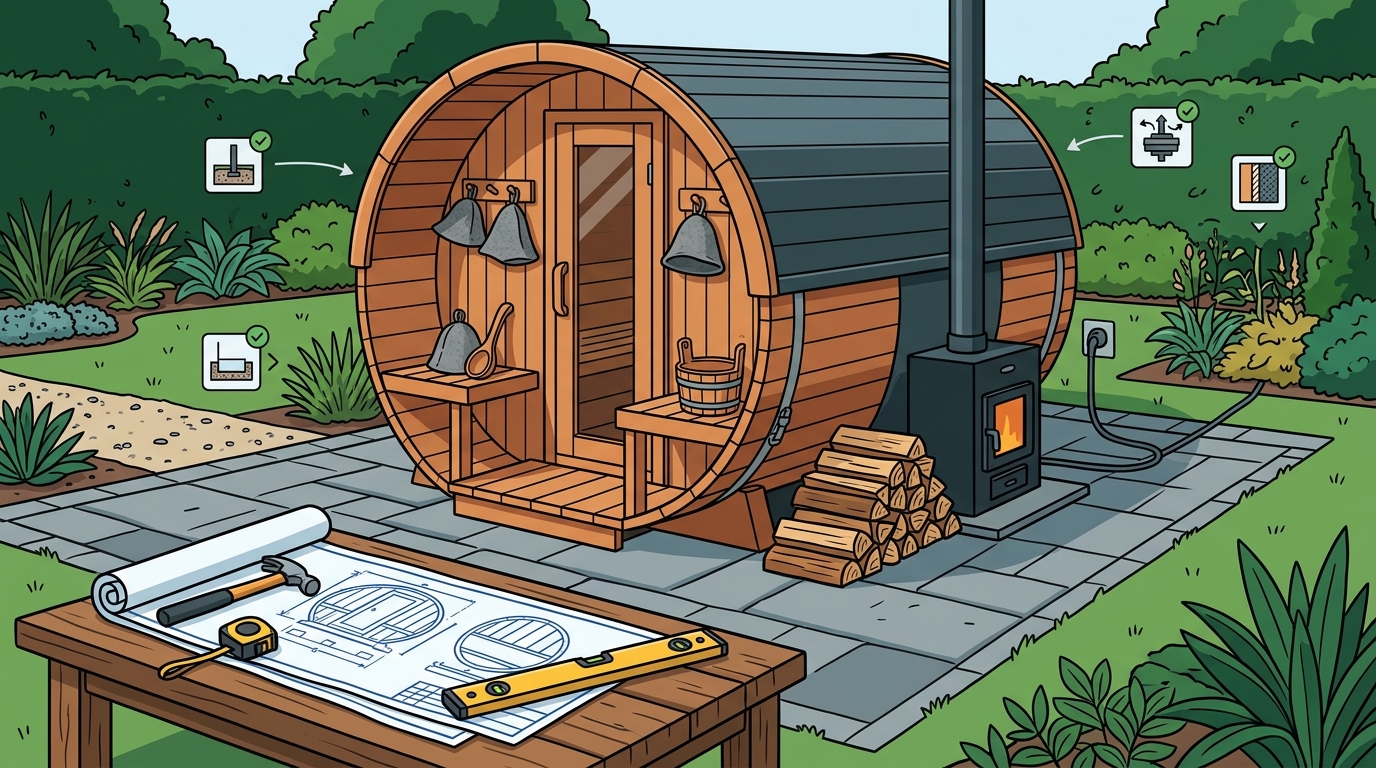
Electric vs. Wood-Burning Heaters
The choice of heating method significantly impacts the user experience and operational costs. Understanding the differences will help you decide which system aligns with your daily routine.
| Feature | Electric Heater | Wood-Burning Heater |
|---|---|---|
| Heat-Up Time | 30-60 minutes | 60-90 minutes |
| Maintenance | Low (Annual inspection) | High (Daily ash removal) |
| Heat Quality | Consistent, dry heat | Intense, aromatic heat |
| Installation | Requires electrical hookup | Requires chimney and clearance |
| Cost | Higher upfront, lower fuel cost | Lower upfront, fuel cost varies |
Electric heaters are generally more convenient for quick sessions. They allow you to control the temperature precisely with a digital interface. This is particularly useful in colder climates where consistent heat is necessary. On the other hand, wood-burning heaters provide a unique sensory experience. The crackling fire and natural scent of burning wood create an atmosphere that electric units cannot replicate. Many users find the process of tending the fire to be meditative in itself.
Site Selection and Foundation
Proper installation is critical for safety and longevity. The foundation must be level, stable, and capable of supporting the weight of the sauna, the heater, and the rocks. Common foundation options include concrete piers, gravel pads, or wooden decks. If you choose a wooden deck, ensure it is structurally reinforced to handle the load. The location should also consider privacy, accessibility, and proximity to power sources if using an electric model.
Ventilation is another key factor. Outdoor saunas require both intake and exhaust vents to ensure proper airflow. This prevents the air from becoming stale and ensures the heater receives enough oxygen to burn efficiently. Proper ventilation also helps regulate humidity levels, which can affect the comfort of the session. For detailed guidance on setup, you can review our comprehensive resources on sauna construction and maintenance.
Essential Sauna Accessories
While the sauna itself is the core investment, the right accessories enhance comfort and safety. One of the most important items is a sauna hat. A sauna hat protects your hair from the intense heat and prevents overheating of the scalp. All Day Sauna Co. offers premium wool and mesh sauna hats designed for optimal breathability and durability. These hats are essential for anyone planning to spend extended periods in the sauna.
Other essential accessories include ladles for pouring water on the rocks to create steam, known as löyly. High-quality ladles are made from heat-resistant materials like birch or stainless steel. Thermometers and hygrometers are also crucial for monitoring the internal environment. You should aim for a temperature between 150°F and 195°F for a traditional sauna experience. Additionally, sauna oils can enhance the aromatic experience, but they should be used sparingly to avoid damaging the heater or creating excessive smoke.
Key Takeaways
- Outdoor saunas provide significant health benefits, including improved circulation and stress reduction.
- Electric saunas offer convenience and quick heat-up times, while wood-fired saunas provide a traditional, aromatic experience.
- A solid, level foundation is critical for the structural integrity and safety of your sauna.
- Premium sauna hats are essential for protecting your hair and scalp from intense heat.
- Proper ventilation ensures safe operation and optimal heat distribution within the sauna.
- Investing in a sauna can increase your property value and provide a private wellness sanctuary.
- Regular maintenance, such as cleaning the heater and inspecting the wood, extends the lifespan of your sauna.
Frequently Asked Questions
How long does it take to heat an outdoor sauna?
Electric saunas typically heat up in 30 to 60 minutes, depending on the size of the unit and the ambient temperature. Wood-fired saunas may take 60 to 90 minutes to reach the desired temperature.
Do I need a permit to install an outdoor sauna?
Permit requirements vary by local jurisdiction. It is advisable to check with your local building department to determine if a permit is required for your specific installation.
What is the best temperature for an outdoor sauna?
The ideal temperature ranges from 150°F to 195°F. Beginners may prefer lower temperatures, while experienced sauna users often enjoy higher heat levels.
How do I maintain a wood-fired sauna?
Regular maintenance includes removing ash after each use, inspecting the chimney for creosote buildup, and treating the exterior wood with appropriate sealants to protect against weathering.
Can I use an outdoor sauna in the winter?
Yes, outdoor saunas are designed to be used year-round. The contrast between the hot sauna and the cold air can enhance the therapeutic benefits and provide a unique winter experience.
What accessories are essential for a sauna?
Essential accessories include a sauna hat, ladle, thermometer, hygrometer, and sauna oils. These items enhance comfort, safety, and the overall sauna experience.
How much does it cost to run an outdoor sauna?
Electric sauna costs depend on local electricity rates and usage frequency. Wood-fired sauna costs vary based on the price of firewood. Generally, electric saunas offer more predictable operating costs.
Is it safe to use a sauna every day?
For most healthy adults, daily sauna use is safe and beneficial. However, it is important to stay hydrated and listen to your body. Consult a healthcare provider if you have any underlying health conditions.
Start Your Sauna Journey
Investing in an outdoor sauna is a decision that pays dividends in health, relaxation, and property value. Whether you choose the convenience of an electric model or the tradition of a wood-fired sauna, the benefits are profound. Explore our full range of saunas, hats, and accessories to build your perfect wellness sanctuary. Contact our team to book a call and discuss your custom sauna project today.