
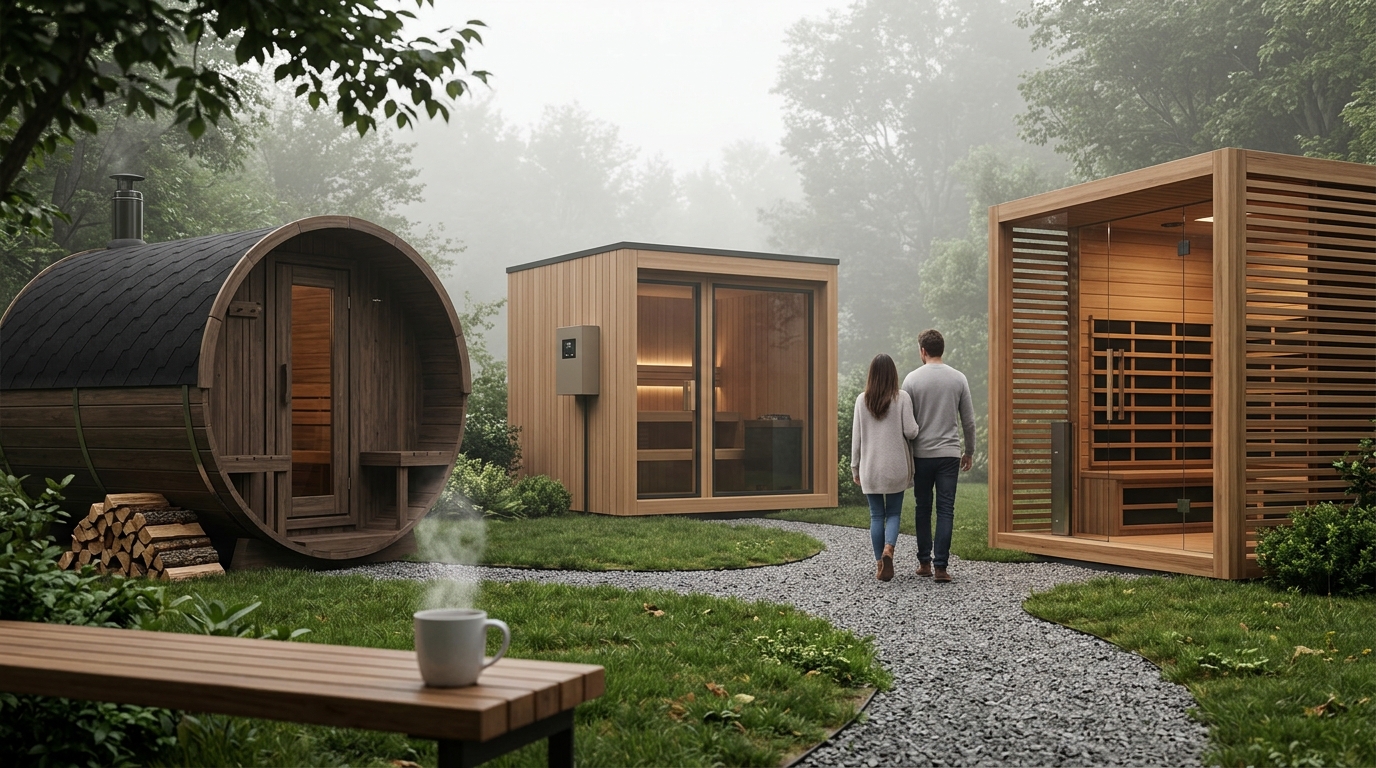
The global wellness industry has seen explosive growth, with the sauna market expanding significantly as consumers prioritize mental and physical recovery. According to recent market analysis, the global sauna market is projected to reach substantial valuation by 2030, driven by a 5% annual growth rate in home wellness installations. This surge reflects a broader cultural shift toward at-home health optimization, where the outdoor sauna has become a centerpiece of modern backyard ecosystems. Understanding the mechanical and physiological differences between heating methods is critical for selecting the right unit for your lifestyle.
Wood-Fired Saunas: The Traditional Standard
Wood-fired saunas represent the oldest and most authentic form of sauna bathing. This method involves heating a stone chamber using a wood-burning stove. The process requires significant manual labor, including sourcing, splitting, and stacking firewood. However, the reward is a distinct, aromatic heat that many enthusiasts consider superior to other methods. (Products ndash All Day)
The Authentic Experience
A wood-fired sauna is not just a heating device; it is a ritual. The crackling fire and the scent of burning wood create an immersive atmosphere that electric units cannot replicate. The heat in these units is generated by stones heated directly by flames. When water is thrown on these stones, it creates löyly, the soft, humid steam that defines the traditional sauna experience. This humidity level is typically higher than that of electric saunas, providing a more intense heat penetration. (Shop All ndash All)
Operational Considerations
While the experience is unmatched, the operational demands are high. You must monitor the fire throughout your session to maintain temperature consistency. This requires constant attention, which can be distracting for some users. Additionally, wood-fired units take longer to heat up, often requiring 60 to 90 minutes of pre-heating time before use. This makes them less suitable for spontaneous sessions. The maintenance involves regular ash removal and chimney cleaning to prevent creosote buildup, a critical safety measure for any wood-burning appliance. (Sauna Hats ndash All)
Electric Saunas: Convenience and Control
Electric saunas have become the most popular choice for residential outdoor installations due to their ease of use and consistent performance. These units utilize electric heaters to warm the stones, which then radiate heat into the cabin. The primary advantage is the ability to control the temperature precisely with a digital thermostat. (All Day Sauna Co)
Speed and Efficiency
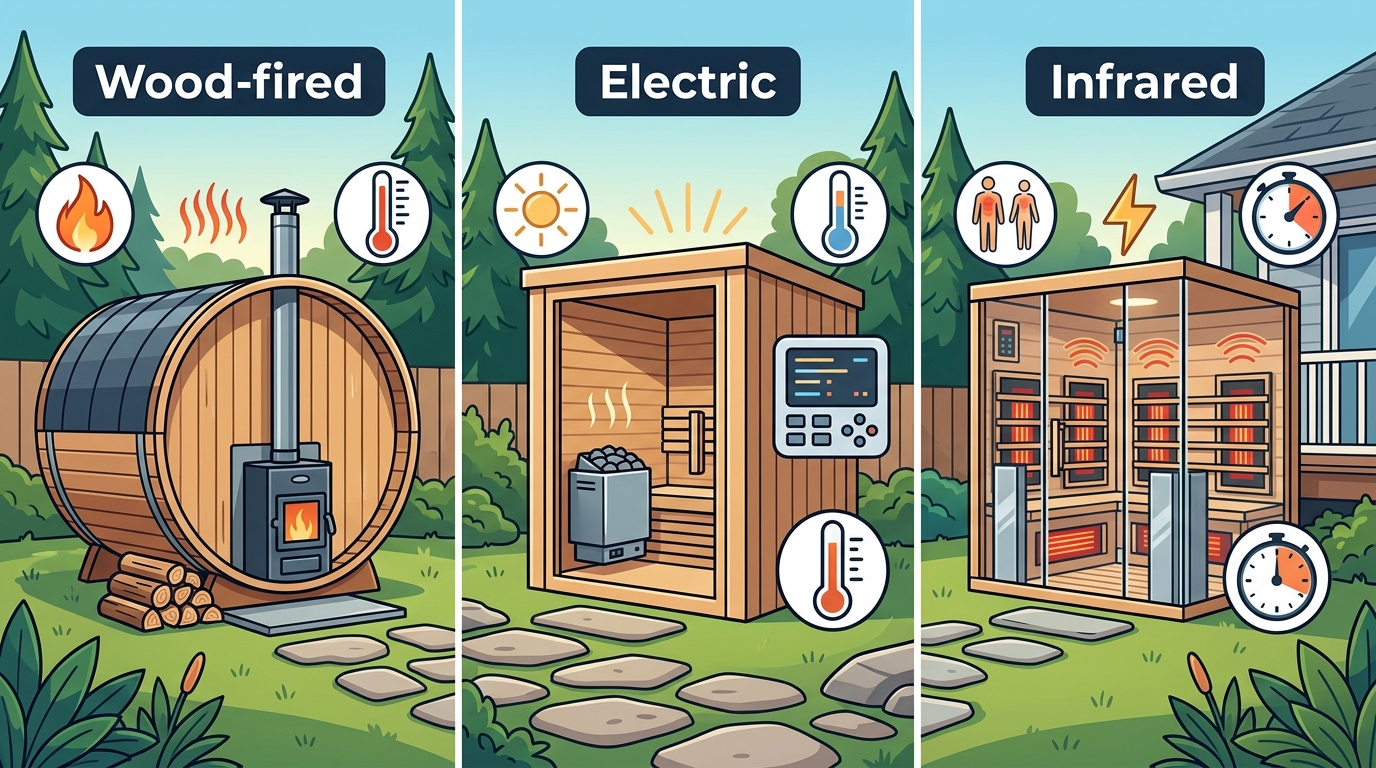
One of the most significant benefits of electric saunas is their rapid heat-up time. Most high-quality electric units can reach target temperatures of 170 to 190 degrees Fahrenheit in just 20 to 30 minutes. This efficiency makes them ideal for users who want to schedule their sauna sessions around their workout or work routine without waiting for hours. The energy consumption is also predictable, allowing for better cost management compared to the variable fuel costs of wood.
Customization and Features
Modern electric saunas often come equipped with advanced features such as chromotherapy lighting, digital timers, and Bluetooth speakers. These additions transform the sauna into a multi-sensory relaxation space. The lack of combustion means there are no fumes, ash, or smoke to manage, making electric saunas a cleaner option for residential areas with strict air quality regulations. The stones in an electric sauna are heated evenly, providing a consistent dry heat that is gentle on the skin yet effective for sweating.
Infrared Saunas: Deep Tissue Recovery
Infrared saunas operate on a fundamentally different principle than traditional wood or electric saunas. Instead of heating the air inside the cabin, infrared heaters emit electromagnetic radiation that directly heats the body. This method allows the body to absorb the heat more efficiently, often at lower ambient temperatures.
Physiological Benefits
Infrared saunas are often marketed for their deep tissue penetration capabilities. Because the heat penetrates the body more directly, users can achieve a profuse sweat at temperatures between 120 and 140 degrees Fahrenheit. This lower temperature threshold makes infrared saunas more accessible for individuals who find traditional high-heat saunas uncomfortable or difficult to tolerate. The gentle heat is particularly beneficial for muscle recovery, joint pain relief, and cardiovascular health.
Energy and Space Efficiency
Infrared saunas are highly energy-efficient because they do not need to heat the entire volume of air in the cabin. This results in lower electricity costs compared to electric saunas of similar size. Furthermore, infrared heaters are compact, allowing for smaller cabin footprints. This makes them an excellent option for smaller backyards or indoor spaces where a full-sized traditional sauna would not fit. The heat-up time is also rapid, often requiring only 10 to 15 minutes to become operational.
Feature Comparison Matrix
Choosing the right sauna depends on your specific priorities, whether they be authenticity, convenience, or health benefits. The following table summarizes the key differences between the three primary sauna types.
| Feature | Wood-Fired | Electric | Infrared |
|---|---|---|---|
| Heat Type | High humidity, intense dry heat | Consistent dry heat | Gentle, penetrating heat |
| Heat-Up Time | 60-90 minutes | 20-30 minutes | 10-15 minutes |
| Operating Cost | Variable (Firewood) | Moderate (Electricity) | Low (Electricity) |
| Maintenance | High (Ash, Chimney) | Low (Stone cleaning) | Low (Heater checks) |
| Ambiance | Traditional, rustic | Modern, clean | Minimalist, therapeutic |
| Best For | Ritual enthusiasts | Convenience seekers | Recovery focused |
Key Takeaways
- Authenticity vs. Convenience: Wood-fired saunas offer the most traditional experience but require significant manual labor, while electric saunas provide instant convenience with minimal upkeep.
- Heat Penetration: Infrared saunas heat the body directly rather than the air, allowing for deeper sweating at lower, more comfortable temperatures.
- Operational Costs: While wood-fired saunas have lower fuel costs in rural areas, electric and infrared units offer more predictable and often lower monthly energy bills.
- Space Requirements: Infrared saunas are the most space-efficient, making them ideal for smaller outdoor areas or indoor installations.
- Maintenance Demands: Wood-fired units require regular ash removal and chimney inspections, whereas electric and infrared units need only occasional cleaning.
- Health Benefits: All three types promote detoxification and relaxation, but infrared saunas are often preferred for muscle recovery and joint pain relief.
- Ambiance: The crackling fire and scent of wood create a unique atmosphere that electric and infrared saunas cannot replicate.
Frequently Asked Questions
Which sauna type is best for muscle recovery?
Infrared saunas are generally considered superior for muscle recovery due to their deep tissue penetration. The gentle heat helps reduce inflammation and soothe sore muscles without the intensity of high-temperature traditional saunas.
Do I need a permit for an outdoor sauna?
Permit requirements vary by local jurisdiction. Most municipalities require permits for permanent structures, especially those involving electrical or wood-burning components. It is essential to check with your local building department before installation.
How much does it cost to run an electric sauna?
The cost depends on your local electricity rates and usage frequency. On average, running an electric sauna for an hour may cost between $0.50 and $1.50, making it a relatively affordable wellness investment.
Can I use a wood-fired sauna in winter?
Yes, wood-fired saunas are excellent for winter use. The contrast between the hot sauna and the cold outdoor air enhances the therapeutic benefits. However, ensure your chimney is properly insulated to prevent creosote buildup in cold weather.
What is the difference between löyly and steam?
Löyly is the soft, humid steam created when water is thrown on hot stones in a traditional sauna. It provides a gentle, penetrating heat. Steam rooms, by contrast, generate 100% humidity at lower temperatures, which is a different experience from the dry heat of a sauna.
Are infrared saunas safe for people with heart conditions?
Infrared saunas are often recommended for individuals with heart conditions due to their lower operating temperatures. However, you should always consult with a healthcare provider before starting any new heat therapy regimen, especially if you have pre-existing health conditions.
How long do sauna stones last?
Sauna stones typically last between 1 to 3 years, depending on usage frequency and heat intensity. Over time, stones can crack or break down due to thermal stress. Regular inspection and replacement are necessary to maintain optimal performance.
Start Your Sauna Journey
Choosing the right sauna is a significant investment in your health and well-being. Whether you prefer the rustic charm of a wood-fired unit, the convenience of an electric heater, or the therapeutic benefits of infrared technology, All Day Sauna Co. offers premium options tailored to your needs. Explore our sauna collection to find the perfect fit for your backyard. For personalized guidance, book a call with our experts today.