
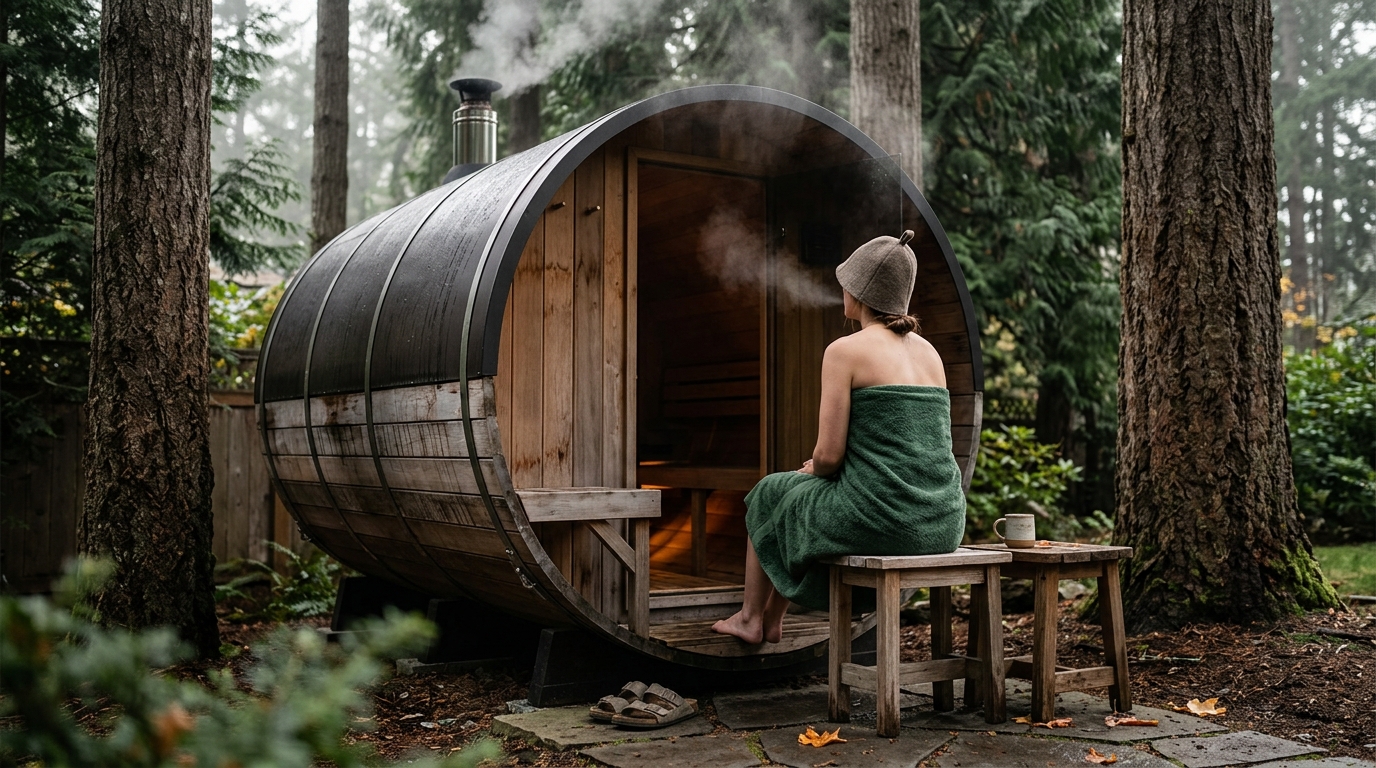
Critical Mistakes to Avoid When Choosing an Outdoor Sauna for Your Backyard
Installing an outdoor sauna is one of the most rewarding investments you can make for your property's wellness ecosystem. However, the gap between a relaxing retreat and a costly maintenance nightmare is often defined by the initial selection process. According to recent industry data, over 40% of first-time sauna owners report regretting their purchase due to poor insulation choices or inadequate site preparation. This statistic highlights a critical reality: the hardware matters less than the foundational planning. Before you commit to a build, you must understand the structural, thermal, and logistical pitfalls that plague unprepared buyers.
Foundation and Site Preparation Errors
The most immediate mistake buyers make is treating the sauna as a standalone object rather than a structure requiring a stable base. Many assume that placing a unit directly on grass or uneven dirt is sufficient. This is a fundamental error. Moisture wicking from the ground can rot the bottom frame within months, regardless of the wood type used.
A proper foundation ensures longevity and structural integrity. Concrete piers, a gravel pad, or a wooden deck are the standard solutions. The choice depends on your local zoning laws and the weight of the unit. For instance, a fully loaded cedar sauna can weigh several hundred pounds. Without a level surface, the doors will not seal correctly, leading to significant heat loss and increased energy consumption.
Another common oversight is ignoring local building codes. Some municipalities require permits for permanent structures, even if they are classified as "saunas" rather than "buildings." Failing to check these regulations can lead to fines or forced removal. Always consult your local zoning office before ordering. You can also explore our partnership resources for additional guidance on setting up your wellness space correctly.
Insulation and Thermal Efficiency Failures
Not all outdoor saunas are created equal when it comes to temperature retention. The primary mistake here is choosing uninsulated or poorly insulated units in climates with extreme temperature fluctuations. In cold weather, an uninsulated sauna will struggle to reach the desired temperature, causing your heater to run continuously. This not only drives up electricity costs but also shortens the lifespan of the heating elements.
High-quality outdoor saunas, such as those offered by All Day Sauna Co., utilize advanced insulation techniques to maintain consistent heat. Look for units with R-value ratings that match your specific climate zone. Proper insulation also reduces condensation inside the cabin, which protects the wood from mold and mildew over time. This is a critical factor for year-round usability.
Thermal efficiency is not just about the walls. The windows and doors must also be sealed tightly. Double-pane tempered glass is the industry standard for safety and insulation. If you are considering a traditional wood-fired option, ensure the chimney is properly insulated to prevent creosote buildup and improve draft efficiency.
Heater Selection and Electrical Oversights
The heart of any sauna is the heater, and selecting the wrong type is a costly error. The two main categories are electric and wood-burning. Electric heaters offer convenience and precise temperature control, while wood-burning heaters provide an authentic, traditional experience with a distinct aroma.
A critical mistake is underestimating the electrical requirements for electric heaters. High-wattage heaters often require a dedicated 240-volt circuit and a professional electrician to install. Attempting to use a standard outlet can lead to tripped breakers or, worse, electrical fires. Always verify your home's electrical capacity before purchasing.
For those interested in the traditional route, wood-burning heaters require a steady supply of dry firewood and regular ash removal. This adds a layer of maintenance that many first-time buyers overlook. If you value convenience, an electric heater is the superior choice. If you value the ritual, wood is the way to go. You can browse our full collection of heaters to see which fits your lifestyle.
Wood Species and Durability Misjudgments
The material of your sauna is not just an aesthetic choice; it is a functional one. The most common mistake is choosing a wood species that is not rated for outdoor exposure. Softwoods like pine may look appealing initially but will warp, crack, and rot quickly when exposed to sun and rain.
Cedar and Hemlock are the gold standards for outdoor saunas. Cedar is naturally resistant to rot, insects, and moisture. It also has a pleasant, aromatic scent that enhances the sauna experience. Hemlock is another excellent option, known for its stability and resistance to warping. When evaluating options, always ask for the specific wood grade and origin.
Additionally, consider the finish. Some saunas come pre-stained, while others are left natural. Natural wood requires regular oiling to maintain its color and protect it from UV damage. Stained options may require less maintenance but can sometimes mask the natural grain. At All Day Sauna Co., we prioritize premium, sustainably sourced cedar to ensure your investment lasts for decades.

The Accessory and Maintenance Oversight
Many buyers focus solely on the sauna unit and forget the essential accessories that complete the experience. This oversight leads to a disjointed and less enjoyable session. Key accessories include sauna hats, towels, and proper ventilation tools.
Sauna hats are not just a novelty; they are a necessity. They protect your hair from the intense heat and prevent sweat from dripping into your eyes. High-quality wool or mesh hats, like those available in our Sauna Hats collection, are designed for maximum comfort and durability. Skipping this step can make your sauna sessions uncomfortable and short-lived.
Proper ventilation is another critical component. Even the best-insulated sauna needs airflow to maintain air quality. Ensure your unit has adequate vents at the top and bottom. This allows hot air to circulate and fresh air to enter, creating a balanced environment. Regular maintenance, such as cleaning the heater stones and wiping down the benches, will also extend the life of your sauna.
Key Takeaways
- Foundation is Key: Always install your sauna on a level, moisture-resistant base like concrete piers or a gravel pad to prevent rot.
- Insulation Matters: Choose a well-insulated unit to ensure thermal efficiency and consistent heating in all weather conditions.
- Electrical Safety: Verify your home's electrical capacity and hire a professional for 240-volt heater installations.
- Wood Quality: Opt for premium cedar or hemlock to ensure durability and resistance to outdoor elements.
- Essential Accessories: Do not overlook sauna hats and proper ventilation tools for a complete and comfortable experience.
- Local Regulations: Check zoning laws and permit requirements before installation to avoid legal issues.
- Maintenance Routine: Establish a regular cleaning and oiling schedule to protect your investment and enhance longevity.
Frequently Asked Questions
What is the best wood for an outdoor sauna?
Cedar is widely considered the best wood for outdoor saunas due to its natural resistance to rot, insects, and moisture. It also provides a pleasant aromatic experience during sessions.
Do I need a permit for an outdoor sauna?
Permit requirements vary by location. Some municipalities require permits for permanent structures, while others do not. It is essential to check with your local zoning office before installation.
How much does it cost to heat an outdoor sauna?
The cost depends on the heater type, insulation quality, and local electricity rates. Electric heaters typically cost between $2 and $5 per session, while wood-burning heaters require the cost of firewood.
Can I use an outdoor sauna in the winter?
Yes, with proper insulation and a powerful heater, an outdoor sauna can be used year-round. Insulated models are specifically designed to maintain heat in cold temperatures.
What accessories do I need for a new sauna?
Essential accessories include sauna hats, towels, a ladle for water on stones, and a thermometer. These items enhance comfort and safety during your sessions.
How often should I oil my sauna?
It is recommended to oil your sauna once or twice a year, depending on usage and exposure to the elements. This helps maintain the wood's color and protects it from UV damage.
What is the difference between electric and wood-burning heaters?
Electric heaters offer convenience and precise temperature control, while wood-burning heaters provide a traditional experience with a distinct aroma. The choice depends on your preference for maintenance and ambiance.
Start Your Sauna Journey
Avoiding these critical mistakes ensures that your outdoor sauna becomes a lasting source of wellness and relaxation. By prioritizing proper foundation, insulation, and material quality, you protect your investment and enhance your experience. Explore our curated selection of premium saunas and accessories at All Day Sauna Co. to find the perfect fit for your backyard. Book a call with our experts today to get personalized guidance and start building your retreat.