
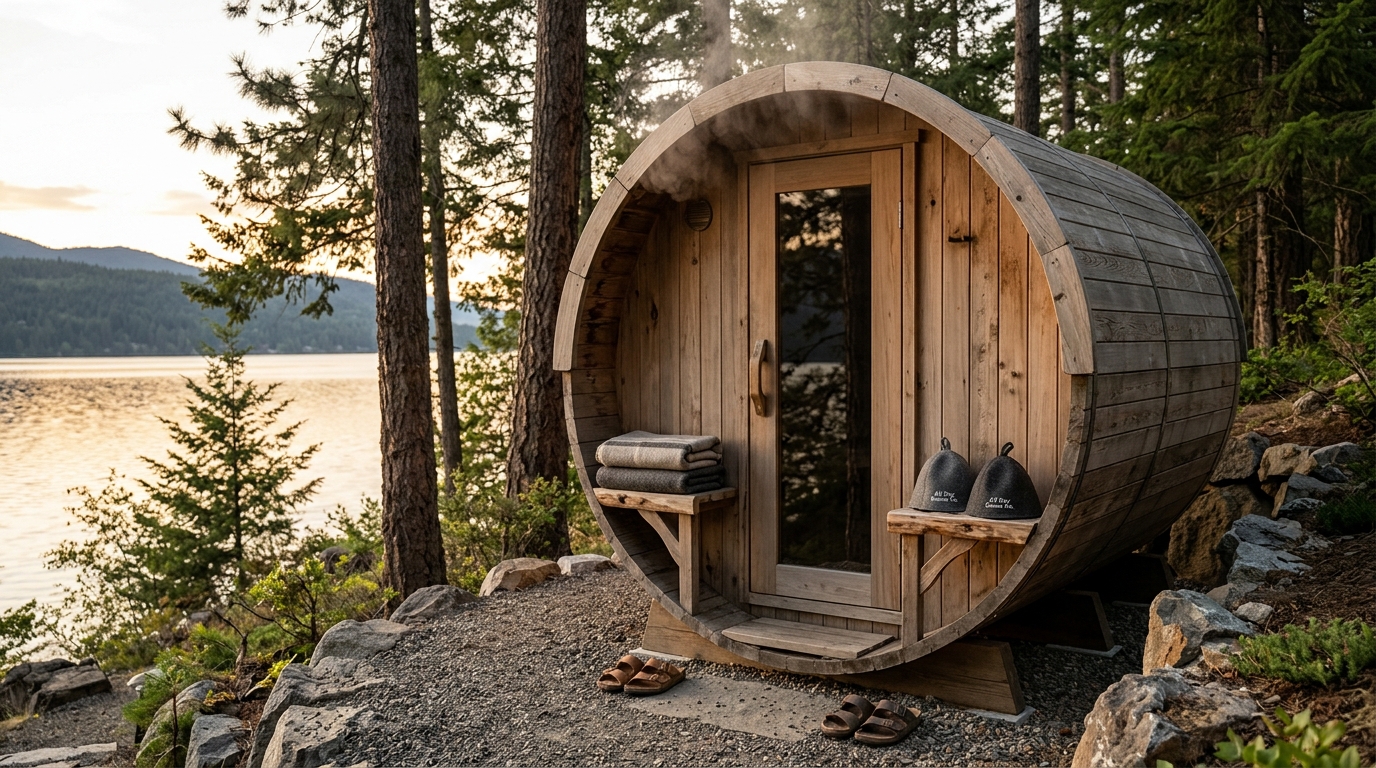
Essential Criteria for Selecting the Right Outdoor Sauna for Your Backyard
Choosing the perfect outdoor sauna is a significant investment that transforms your backyard into a private wellness sanctuary. According to recent industry trends, the global wellness tourism market is projected to reach $1.3 trillion by 2027, reflecting a massive shift toward home-based health solutions. This guide breaks down the critical factors you must evaluate before making a purchase, ensuring your new sauna delivers years of relaxation and health benefits.
Understanding Sauna Types and Materials
The foundation of any great sauna experience lies in its construction materials and design philosophy. The two primary categories you will encounter are traditional wood-fired saunas and electric infrared or traditional electric saunas. Each offers distinct advantages depending on your lifestyle and aesthetic preferences. (Products ndash All Day)
Wood-Fired vs. Electric Heating
Wood-fired saunas provide an authentic, rustic experience with the crackling sound of fire and the distinct aroma of burning wood. They are often preferred for their off-grid capabilities and traditional appeal. However, they require more maintenance, including regular ash removal and wood sourcing. Electric saunas, on the other hand, offer precise temperature control and convenience. Research indicates that regular sauna use can improve cardiovascular health, and electric models make it easier to maintain consistent therapeutic temperatures without the hassle of fuel management. (Shop All ndash All)
Material Quality and Durability
High-quality cedar or hemlock are the gold standards for sauna construction. These woods are naturally resistant to rot, insects, and warping, ensuring your sauna withstands harsh weather conditions. All Day Sauna Co. specializes in premium outdoor saunas built to last, utilizing materials that age gracefully while maintaining structural integrity. When evaluating options, always ask about the grade of wood and the thickness of the panels. Thicker walls provide better insulation, which is crucial for energy efficiency in colder climates. (All Day Sauna Co)
Power and Heating Options
Before selecting a sauna, you must determine your power infrastructure. This decision impacts both the initial cost and the long-term operating expenses of your unit.

Electrical Requirements
Most electric saunas require a dedicated circuit, typically 240 volts, similar to what a large dryer or oven might need. You will need to consult with a licensed electrician to ensure your home's panel can handle the load. If you plan to install your sauna in a remote part of your yard, running power lines can be expensive. In such cases, a wood-fired or hybrid option might be more practical. Always verify local building codes and electrical regulations before proceeding with installation.
Energy Efficiency Considerations
Modern saunas are designed with energy efficiency in mind. Infrared saunas, for example, heat the body directly rather than the air, often requiring lower temperatures and less energy to achieve the same sweating effect. Traditional electric saunas heat the air, which can be less efficient if the sauna is not well-insulated. Look for models with high R-value insulation and tight-sealing doors to minimize heat loss. According to the U.S. Department of Energy, proper insulation can reduce heating costs by up to 20 percent.
Size and Capacity Planning
One of the most common mistakes buyers make is underestimating the space required for a comfortable sauna experience. You must consider not only the interior capacity but also the exterior footprint and clearance requirements.
Interior Capacity
Standard outdoor saunas typically range from two-person to six-person capacities. A two-person sauna is ideal for couples or individuals who prefer a more intimate setting. Larger models accommodate families or groups, making them perfect for entertaining. When calculating capacity, remember that saunas should not be overcrowded. Each person needs approximately 4 to 5 square feet of floor space to sit comfortably without feeling cramped.
Exterior Footprint and Clearance
Measure your available backyard space carefully. You need enough room for the sauna itself, plus additional clearance for ventilation and access. Most manufacturers recommend at least 12 inches of clearance around the sauna for proper airflow and maintenance access. Also, consider the path the sauna will take to reach its final location. If you have narrow gates or tight corners, you may need a smaller model or a disassembled kit that can be reassembled on-site.
Installation and Site Preparation
Proper site preparation is critical for the longevity and safety of your outdoor sauna. A solid, level foundation is non-negotiable.
Foundation Options
Common foundation options include concrete piers, gravel pads, or wooden decks. Concrete piers provide excellent stability and drainage, preventing moisture from wicking up into the wood. Gravel pads are a more affordable and DIY-friendly option, offering good drainage and ventilation. Wooden decks must be built to support the significant weight of the sauna, especially when filled with people and water. All Day Sauna Co. provides detailed installation guides to help you prepare your site correctly. Visit our blog for more installation tips.
Ventilation and Drainage
Proper ventilation is essential to prevent mold and mildew growth. Ensure your sauna has adequate intake and exhaust vents, typically located at the bottom and top of the unit. Drainage is also important, especially if you plan to use the sauna in rainy climates. A slight slope in your foundation will help direct water away from the base of the sauna.
Accessories and Comfort Enhancements
While the sauna itself is the core investment, the right accessories can significantly enhance your experience. Small details often make the biggest difference in comfort and usability.
Essential Accessories
Key accessories include sauna hats, which protect your hair and keep your head cool during intense sessions. Shop our collection of premium sauna hats designed for maximum comfort and durability. Other essentials include thermometers and hygrometers to monitor temperature and humidity levels, ladles for pouring water on the rocks, and high-quality sauna oils for aromatherapy benefits.
Comfort Upgrades
Consider adding a bench cushion for added comfort during longer sessions. Some users also opt for a small table to hold water, towels, and drinks. Lighting is another important factor. Soft, warm lighting creates a relaxing atmosphere, while bright lights can be useful for reading or other activities. Ensure any electrical accessories are rated for high-temperature and high-humidity environments.
Key Takeaways
- Material Matters: Choose high-grade cedar or hemlock for durability and natural resistance to rot.
- Power Planning: Verify electrical requirements or consider wood-fired options for off-grid flexibility.
- Size Correctly: Allow 4-5 square feet per person and ensure adequate exterior clearance.
- Foundation First: Invest in a solid, level foundation like concrete piers or a reinforced deck.
- Accessorize Wisely: Invest in sauna hats, thermometers, and ladles to enhance comfort and safety.
- Check Regulations: Always consult local building codes and HOA rules before installation.
- Maintenance: Regular cleaning and oiling will extend the life of your sauna significantly.
Frequently Asked Questions
How much does an outdoor sauna cost?
The cost varies widely based on size, materials, and heating type. Basic models start around $3,000, while premium, fully equipped saunas can exceed $10,000. Installation costs should also be factored into your budget.
Do I need a permit to install an outdoor sauna?
Permit requirements depend on your local jurisdiction. Some areas require permits for structures over a certain size or for electrical work. Always check with your local building department before starting.
Can I use an outdoor sauna in winter?
Yes, outdoor saunas are designed to withstand various weather conditions. The contrast between the hot sauna and cold air can enhance the health benefits. Ensure your sauna is properly insulated and sealed for winter use.
How often should I clean my sauna?
Wipe down the benches after each use to remove sweat and oils. A deeper clean with a mild cleaner should be done monthly. Regular maintenance prevents mold and keeps the wood looking new.
What is the best wood for a sauna?
Cedar and hemlock are the most popular choices due to their natural resistance to moisture and decay. Cedar has a pleasant aroma, while hemlock is often more affordable and equally durable.
Do I need a professional to install my sauna?
While some saunas come with DIY installation guides, electrical work should always be handled by a licensed electrician. Structural installation can be done by a skilled DIYer, but professional help ensures proper alignment and stability.
How long does a sauna last?
With proper care and maintenance, a high-quality outdoor sauna can last 20 years or more. Regular oiling and cleaning are key to longevity.
Start Your Sauna Journey
Investing in an outdoor sauna is an investment in your health, happiness, and home. By carefully considering the criteria outlined in this guide, you can choose a sauna that fits your needs and lifestyle perfectly. Explore our premium collection of outdoor saunas and discover the perfect fit for your backyard. Ready to get started? Book a call with our experts today to discuss your options and plan your installation.