
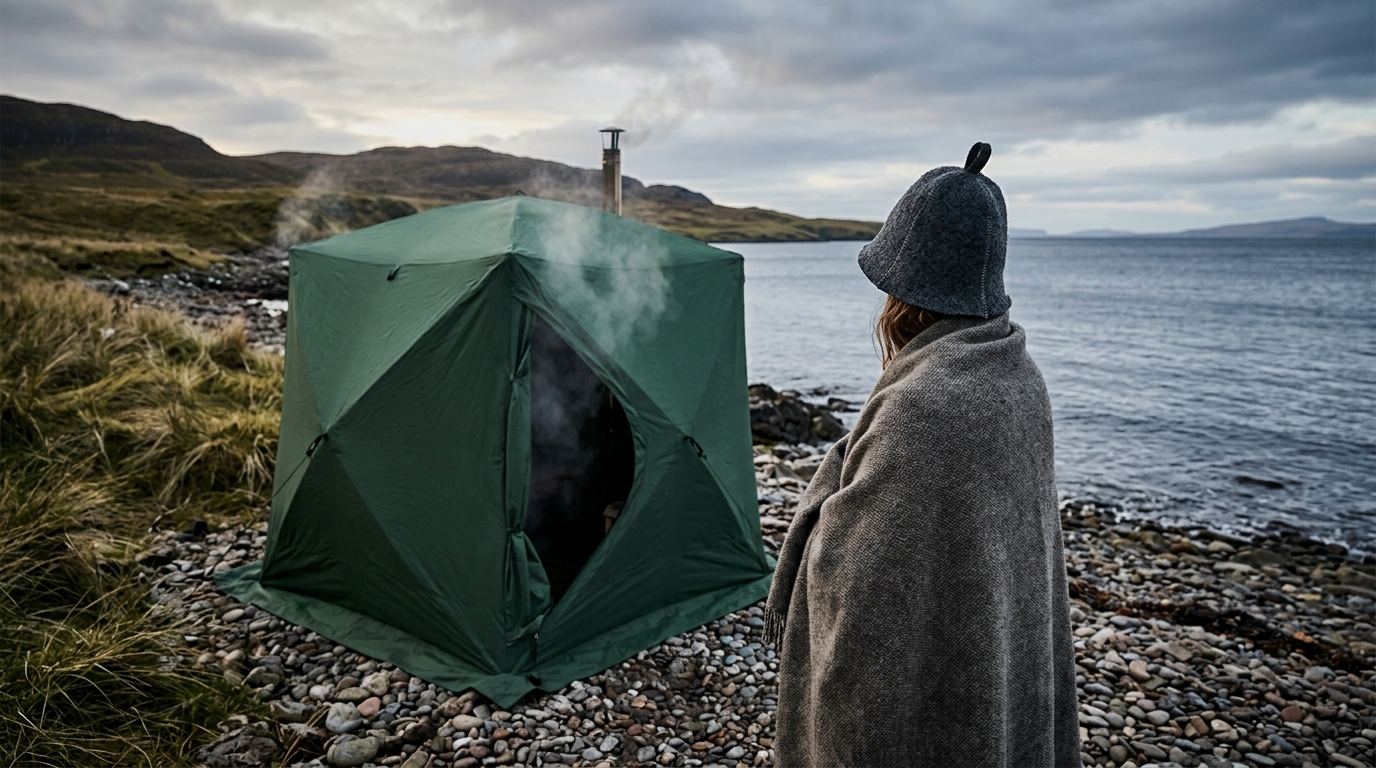
Common Mistakes When Buying a Portable Tent Sauna and How to Avoid Them
Investing in a personal wellness routine has never been more accessible, yet the market for home saunas is flooded with options that promise results but deliver disappointment. According to recent industry data, over 40% of first-time sauna buyers regret their initial purchase due to mismatched expectations regarding size, insulation, or heating efficiency. This statistic highlights a critical gap in consumer education. Many enthusiasts rush into buying the first unit they see, ignoring the technical nuances that determine long-term satisfaction. By understanding the structural and functional requirements of these units, you can ensure your investment delivers the therapeutic benefits you seek without the frustration of poor performance.
Mistake 1: Ignoring Material Quality and Insulation
The most frequent error buyers make is prioritizing price over the durability of the tent fabric. A portable sauna is not just a tent; it is a thermal chamber. The fabric must retain heat efficiently while resisting moisture damage. Cheap, thin polyester tents lose heat rapidly, forcing your heater to work overtime and draining your electricity supply. High-quality units utilize heavy-duty, insulated canvas or specialized thermal fabrics that lock in warmth.
When evaluating options, look for materials that are explicitly rated for high-temperature environments. The seams should be double-stitched or welded to prevent heat leakage. Additionally, the floor material must be waterproof and heat-resistant. A standard tarp floor will degrade quickly under the radiant heat of a sauna stove. Always check the manufacturer's specifications for fabric weight and thermal rating. Investing in a robust structure like those found in the All Day Sauna Co. collection ensures that your tent withstands repeated heating cycles without warping or tearing.
Mistake 2: Underestimating Interior Space Requirements
Visualizing the size of a tent from a product photo is notoriously difficult. Buyers often select a "two-person" sauna only to find it is too cramped for comfortable sitting or standing. A sauna that is too small restricts blood flow and creates a claustrophobic environment, negating the relaxation benefits. Conversely, a tent that is too large for your heater will never reach the desired temperature.
To avoid this, measure your intended setup area and compare it to the internal dimensions of the sauna, not just the external footprint. Remember that you need space for the heater, which typically requires a three-foot clearance radius for safety. If you plan to use the sauna for stretching or yoga post-session, opt for a model with a higher ceiling height. The shop all saunas page provides detailed dimensional breakdowns to help you visualize the interior volume accurately.
Mistake 3: Mismatching Heater Power with Tent Size
Heater wattage is the engine of your sauna experience. A common mistake is pairing a low-wattage heater with a large tent. For example, using a 1500-watt heater in a tent designed for 2000 watts will result in long warm-up times and an inability to maintain high temperatures, especially in cold weather. The heater must be sized according to the volume of the tent and the ambient temperature.
General guidelines suggest that for every cubic foot of space, you need a specific amount of wattage to achieve a target temperature of 150 to 190 degrees Fahrenheit. If you live in a region with harsh winters, you may need to upsize your heater by 10 to 20 percent to compensate for external cold. Ensure your electrical outlet can handle the load. Most portable saunas require a standard 110-volt outlet, but high-power units may need a 220-volt connection. Always verify your home's electrical capacity before purchasing. You can book a call with our experts to discuss the optimal heater configuration for your specific tent model.
Mistake 4: Overlooking Ventilation and Airflow Design
Proper ventilation is critical for safety and comfort. A sealed tent with no airflow can become oxygen-deprived, leading to dizziness or nausea. Many budget tents lack adequate venting options, relying solely on the door gap for air exchange. This is insufficient for sustained sessions.
Look for tents with adjustable intake and exhaust vents. These allow you to control the humidity and temperature gradient within the chamber. A well-designed ventilation system creates a convection current, pulling fresh cool air in at the bottom and pushing hot, humid air out at the top. This process improves air quality and makes the heat feel more penetrating. Check if the tent includes mesh windows for additional airflow when the heater is off. Proper ventilation also prevents mold growth, which is a significant risk in humid environments.

Mistake 5: Forgetting Essential Accessories
Buyers often focus solely on the tent and heater, forgetting the accessories that enhance the experience and protect your health. One of the most overlooked items is a sauna hat. A sauna hat insulates your head, preventing overheating and allowing you to stay in the sauna longer. Without one, your body may trigger a shutdown response due to head heat, cutting your session short.
Other essential accessories include a thermometer and hygrometer to monitor temperature and humidity levels accurately. A ladle for pouring water on the rocks adds humidity and intensifies the heat. A towel is necessary for hygiene and comfort. The sauna hats and accessories categories at All Day Sauna Co. offer premium wool and mesh options designed to maximize your comfort and safety during sessions.
Mistake 6: Neglecting Long-Term Maintenance Needs
Portable saunas require regular maintenance to ensure longevity. Moisture is the enemy of fabric and electronics. After every use, you must ventilate the tent thoroughly to dry out the interior. Leaving the tent damp invites mold and mildew, which can damage the fabric and create unpleasant odors. Additionally, inspect the heater element and cords for signs of wear or damage.
Clean the heater rocks periodically to remove mineral buildup, which can affect heat distribution. Store the tent in a dry, cool place when not in use to prevent UV degradation of the fabric. Proper care extends the life of your sauna significantly. For tips on maintaining your equipment, visit our blog for detailed guides on sauna care and best practices.
Comparison of Key Sauna Features
| Feature | Low-Quality Tent | High-Quality Tent (e.g., All Day Sauna Co.) | Impact on User Experience |
|---|---|---|---|
| Fabric Material | Thin Polyester | Insulated Thermal Canvas | Heat retention and durability |
| Ventilation | Minimal or None | Adjustable Intake/Exhaust Vents | Air quality and temperature control |
| Floor | Standard Tarp | Heat-Resistant Waterproof Base | Safety and floor protection |
| Seams | Single Stitched | Double-Stitched or Welded | Prevention of heat leakage |
| Warranty | Limited or None | Comprehensive Coverage | Long-term peace of mind |
Key Takeaways
- Always prioritize insulated fabric over price to ensure efficient heat retention.
- Measure internal dimensions carefully to avoid cramped or underheated spaces.
- Match heater wattage to tent volume and local climate conditions.
- Ensure adequate ventilation to maintain air quality and safety.
- Purchase essential accessories like sauna hats and thermometers for optimal comfort.
- Implement a strict drying and maintenance routine to prevent mold and damage.
- Verify electrical requirements before installation to avoid safety hazards.
Frequently Asked Questions
How long does it take to heat a portable tent sauna?
Most portable saunas reach operating temperature between 150 and 190 degrees Fahrenheit in approximately 15 to 20 minutes, depending on the heater wattage and ambient temperature.
Can I use a portable sauna in the winter?
Yes, but you may need a higher wattage heater to compensate for cold external temperatures. Proper insulation and wind protection are also critical for winter use.
What is the best material for a sauna tent?
Heavy-duty, insulated canvas or specialized thermal fabrics are the best materials because they retain heat effectively and resist moisture damage.
Do I need a special electrical outlet for a sauna?
Most portable saunas use standard 110-volt outlets, but high-power models may require a 220-volt connection. Always check the manufacturer's specifications.
How do I clean my sauna tent?
Wipe down the interior with a mild disinfectant after each use. Ensure the tent is completely dry before storing it to prevent mold growth.
Are sauna hats necessary?
While not strictly mandatory, sauna hats are highly recommended. They insulate your head, prevent overheating, and allow for longer, more comfortable sessions.
What is the lifespan of a portable sauna tent?
With proper care and maintenance, a high-quality portable sauna tent can last for several years. Regular drying and inspection are key to longevity.
Start Your Sauna Journey Today
Avoiding these common mistakes ensures that your investment in a portable sauna delivers lasting health benefits and relaxation. By choosing a high-quality unit, matching the heater correctly, and maintaining your equipment, you create a safe and effective wellness sanctuary. Explore our premium selection of saunas and accessories to find the perfect fit for your lifestyle. Visit All Day Sauna Co. today to build your perfect sauna experience.