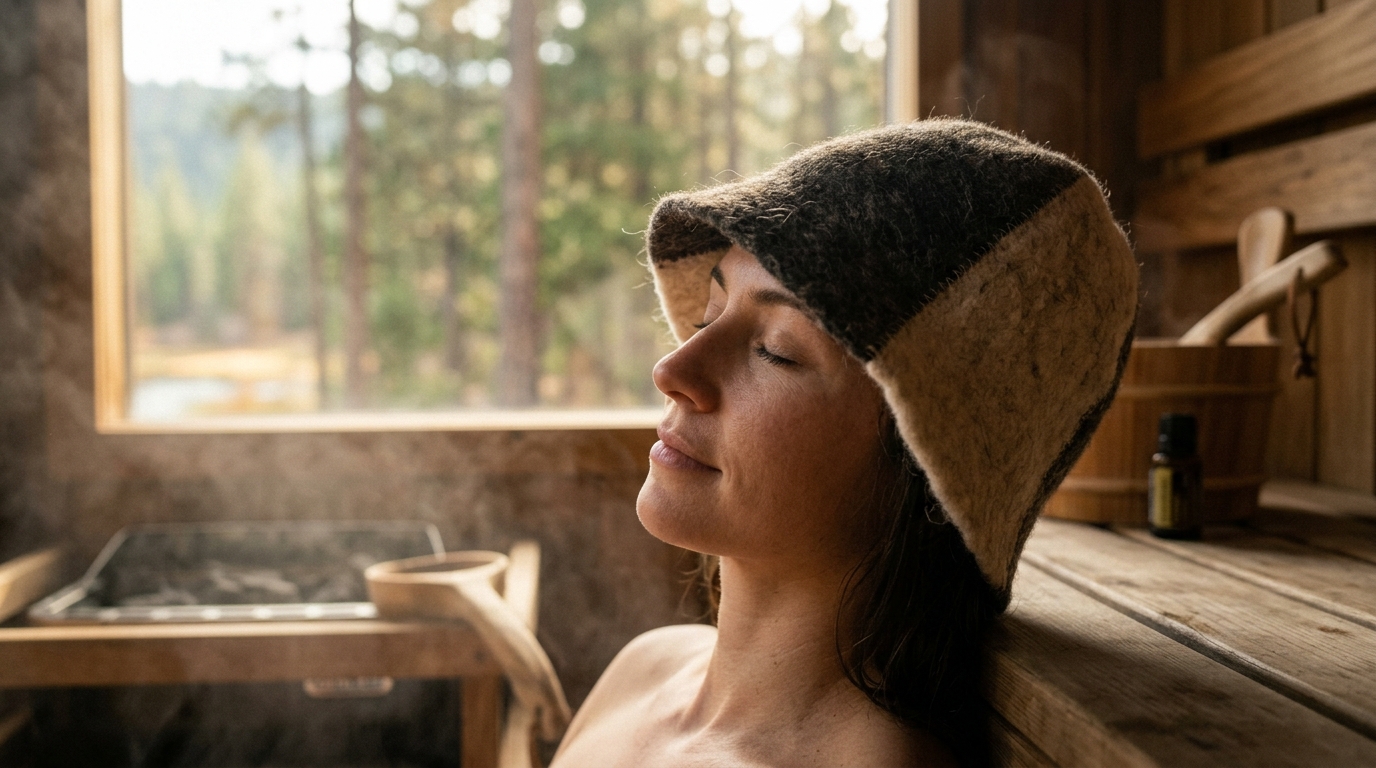
Sauna culture has evolved from a simple hygiene ritual to a sophisticated wellness practice. As more people invest in personal heat therapy, protecting the scalp from extreme temperatures becomes a critical safety concern. According to recent wellness industry reports, over 60% of regular sauna users now incorporate protective gear to prevent overheating during sessions. This shift highlights the importance of selecting the right equipment for your specific needs.
All Day Sauna Co. has positioned itself as a leader in this space by offering premium sauna hats designed for maximum comfort and durability. Understanding the nuances between different natural materials is essential for optimizing your sauna experience. This guide breaks down the key differences to help you make an informed decision.
Material Comparison: Wool and Felt
The foundation of any effective sauna hat lies in its material composition. Natural fibers are preferred because they offer superior thermal resistance compared to synthetic alternatives. The two primary contenders in the natural sauna hat market are wool and felt.
Wool is a natural fiber obtained from the fleece of sheep or other animals. It is renowned for its ability to regulate temperature and wick moisture away from the skin. In the context of sauna hats, wool provides a plush, cushioned feel that many users find comforting against the scalp.
Felt is a non-woven textile made by matting, condensing, and pressing fibers together. While often made from wool, felt can also be produced from other fibers like rabbit fur or cashmere. The density of the felt determines its insulating properties. A tightly packed felt hat offers robust protection against radiant heat.
At All Day Sauna Co., we curate high-quality options that prioritize these natural benefits. You can explore our sauna hats collection to see the specific materials used in each product. Understanding the source of these fibers helps you appreciate the craftsmanship involved.
Heat Insulation Properties
The primary function of a sauna hat is to insulate the head from the intense heat of the sauna environment. The effectiveness of this insulation depends on the density and thickness of the material.
Research into thermal dynamics suggests that air pockets within fibrous materials are key to insulation. Wool naturally creates these pockets due to its crimped structure. This allows it to trap heat effectively while remaining breathable. A study on thermal protection gear indicates that natural wool fibers can withstand temperatures significantly higher than synthetic blends without degrading.
Felt, depending on its weight, offers a different type of insulation. Dense felt acts as a solid barrier against radiant heat. This makes it particularly effective in traditional Finnish saunas where the air temperature can exceed 180 degrees Fahrenheit. The uniformity of felt ensures consistent protection across the entire scalp.
When choosing between the two, consider the intensity of your sauna sessions. For high-heat environments, a dense felt hat may provide the necessary barrier. For moderate heat with a focus on comfort, wool offers a softer alternative. You can learn more about our brand philosophy and how we prioritize user safety in our product design.
Moisture Management and Breathability
Sweat is a natural response to sauna use. How your hat handles this moisture is crucial for comfort and hygiene. Poor moisture management can lead to a soggy, heavy hat that loses its insulating properties.
Wool is hydrophilic, meaning it can absorb moisture without feeling wet. It can hold up to 30% of its weight in water before feeling damp. This property allows wool hats to remain relatively dry to the touch even during prolonged sessions. The breathability of wool also helps regulate temperature, preventing the scalp from becoming overly saturated.
Felt, while durable, varies in its moisture-wicking capabilities. High-quality wool felt retains some of wool's natural wicking properties. However, cheaper felt products may trap moisture, leading to a less comfortable experience. It is important to check the material composition before purchasing.
All Day Sauna Co. ensures that our accessories meet strict standards for breathability. We believe that comfort is just as important as protection. By choosing natural materials, you support a product that works with your body's natural processes rather than against them.
Fit and Comfort Dynamics
A sauna hat that does not fit properly will fail to protect your head effectively. The fit must be snug enough to stay in place but loose enough to allow for airflow.
Wool hats often have a natural elasticity that helps them conform to the shape of the head. This adaptability provides a personalized fit that enhances comfort. The softness of wool also reduces pressure points, making it ideal for users who wear their hats for extended periods.
Felt hats, being non-woven, do not stretch in the same way. They rely on precise sizing to ensure a proper fit. A well-made felt hat will have a structured brim that stays in place without slipping. The rigidity of felt can also provide a sense of stability during movement.
When trying on sauna hats, consider the thickness of the material. Thicker hats may require a slightly larger size to accommodate the added bulk. All Day Sauna Co. provides detailed sizing guides to help you find the perfect match. Visit our homepage to access these resources.
Care and Maintenance Guidelines
Proper care extends the lifespan of your sauna hat and maintains its performance. Natural materials require specific attention to avoid damage.
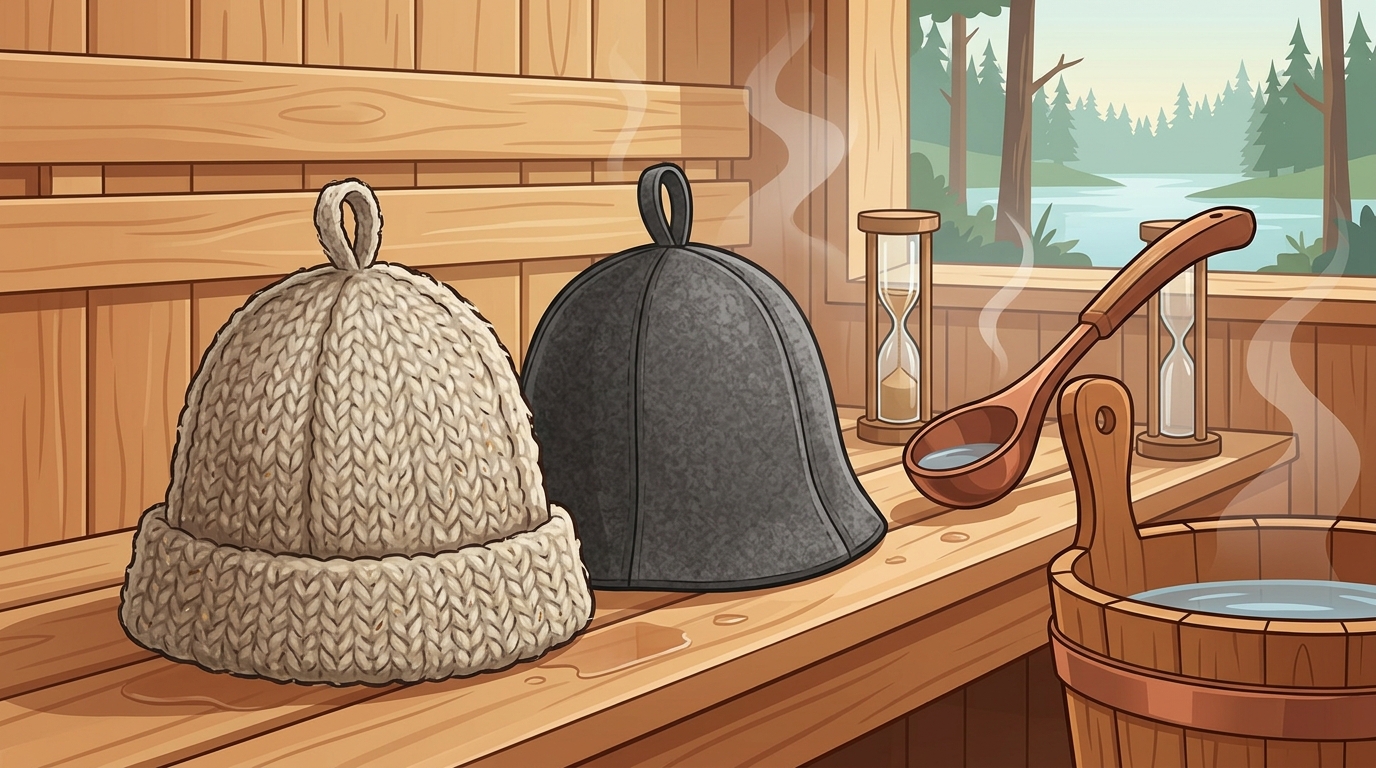
Wool hats should be aired out after each use to allow moisture to evaporate. They should be washed infrequently, using cold water and mild detergent. Avoid wringing or twisting wool, as this can cause felting and shrinkage. Laying the hat flat to dry is the recommended method.
Felt hats are generally more durable and can withstand more rigorous handling. However, they should also be kept away from direct heat sources when drying. Spot cleaning is often sufficient for felt hats. For deep cleaning, professional care may be necessary depending on the fiber content.
Investing in a high-quality hat means investing in long-term value. By following these care instructions, you ensure that your hat remains effective and comfortable for years to come. Check out our sauna hats for products designed for easy maintenance.
Key Takeaways
- Material Choice: Wool offers superior breathability and moisture wicking, while felt provides dense heat insulation.
- Thermal Protection: Natural fibers create air pockets that trap heat, protecting the scalp from extreme temperatures.
- Fit Importance: A snug fit is essential for safety, with wool offering natural elasticity and felt providing structural stability.
- Moisture Management: Wool can absorb up to 30% of its weight in water without feeling wet, enhancing comfort.
- Care Requirements: Both materials require gentle handling, with wool needing cold water washes and felt benefiting from spot cleaning.
- Brand Quality: All Day Sauna Co. prioritizes premium natural materials to ensure safety and durability.
- Usage Context: High-heat saunas may benefit more from dense felt, while moderate heat sessions suit wool's comfort.
Frequently Asked Questions
What is the best material for a sauna hat?
The best material depends on your preference for insulation versus breathability. Wool is excellent for moisture management, while felt offers robust heat protection.
How do I clean a wool sauna hat?
Wool sauna hats should be hand washed in cold water with mild detergent and laid flat to dry. Avoid using hot water or harsh chemicals.
Can I wear a sauna hat in a steam room?
Yes, sauna hats are suitable for steam rooms. They help protect your hair from excessive moisture and heat, maintaining comfort during your session.
Are synthetic sauna hats effective?
Synthetic hats often lack the breathability and heat resistance of natural materials. They may trap heat and moisture, leading to discomfort. Natural fibers are generally recommended for optimal performance.
How long does a sauna hat last?
With proper care, a high-quality natural sauna hat can last for several years. Regular airing out and gentle cleaning are key to longevity.
Do sauna hats come in different sizes?
Yes, sauna hats are available in various sizes to ensure a proper fit. It is important to measure your head circumference before purchasing.
What is the difference between wool and felt?
Wool is a natural fiber, while felt is a non-woven fabric made by matting fibers together. Felt is denser and offers different insulating properties compared to wool.
Start Your Sauna Journey
Choosing the right sauna hat is a critical step in optimizing your heat therapy experience. By understanding the differences between natural materials, you can select a product that meets your specific needs. All Day Sauna Co. is dedicated to providing high-quality sauna accessories that enhance your wellness routine.
Explore our premium sauna hats today. For personalized assistance, visit our website or contact our customer service team. We are here to help you find the perfect fit for your sauna adventures.