
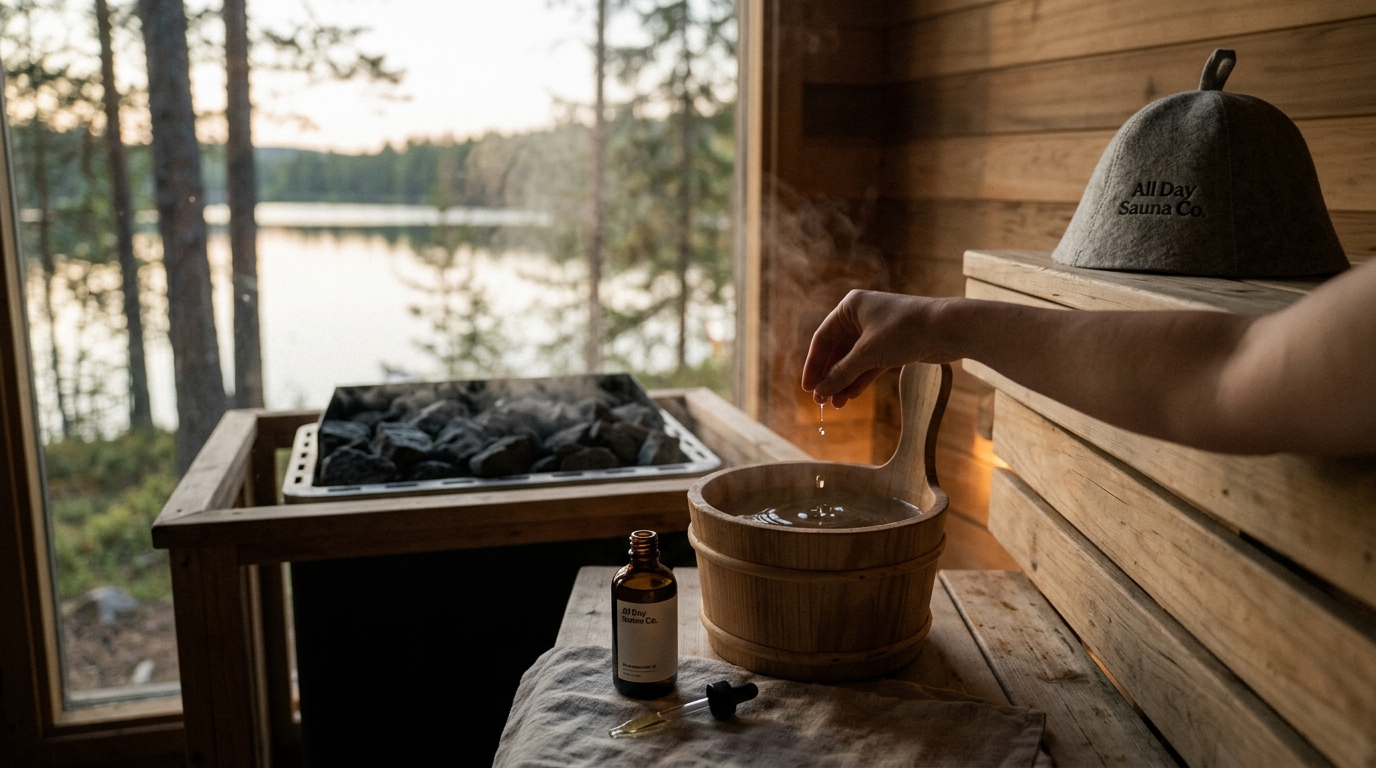
Using essential oils in a sauna is a powerful way to enhance relaxation and respiratory health, but the wrong products can damage your equipment or cause severe health issues. According to the National Association for Holistic Aromatherapy, improper use of oils in high-heat environments can lead to volatile organic compound (VOC) exposure that exceeds safe indoor air quality limits. This guide outlines the critical quality standards you must follow to protect your All Day Sauna Co. investment and your personal well-being.
Why Oil Quality Matters in High Heat
When you pour water over hot sauna stones, the temperature can exceed 180 degrees Fahrenheit (82 degrees Celsius). At this heat level, any impurities in your essential oils are vaporized instantly. Low-quality oils often contain synthetic fragrances, carrier oil residues, or chemical stabilizers that do not burn off cleanly. (All Day Sauna Co)
These synthetic byproducts can create a harsh, chemical smell that lingers in the small, enclosed space of your sauna. More importantly, they can leave a sticky residue on your sauna stones and heating elements. Over time, this residue reduces the efficiency of your heater and can void the warranty on your outdoor sauna. High-quality, pure essential oils vaporize completely, leaving no residue and providing a clean, therapeutic aroma.
Furthermore, the purity of the oil directly impacts the therapeutic benefits. Pure essential oils are concentrated plant extracts that retain the natural phytochemical profile of the source plant. Synthetic alternatives lack these beneficial compounds, offering only a superficial scent without the physiological benefits of aromatherapy.
Purity Standards: 100% Pure vs. Synthetic
Not all bottles labeled "essential oil" are created equal. To ensure safety and efficacy in your sauna, you must adhere to strict purity standards. The primary distinction lies between 100% pure essential oils and fragrance oils.
100% Pure Essential Oils
These oils are distilled or cold-pressed directly from plants. They contain no additives, fillers, or synthetic components. When selecting oils for your sauna, look for labels that explicitly state "100% Pure" and include the botanical name of the plant (e.g., Lavandula angustifolia for lavender). This ensures you are getting the specific chemotype required for therapeutic consistency.
Fragrance Oils
Fragrance oils are artificially created scents designed to mimic natural smells. They are typically made from petroleum-based chemicals and are not suitable for sauna use. When heated, these oils can release toxic fumes that irritate the eyes, nose, and throat. Avoid any product that lists "fragrance" or "parfum" in its ingredients.
Carrier Oils and Dilution
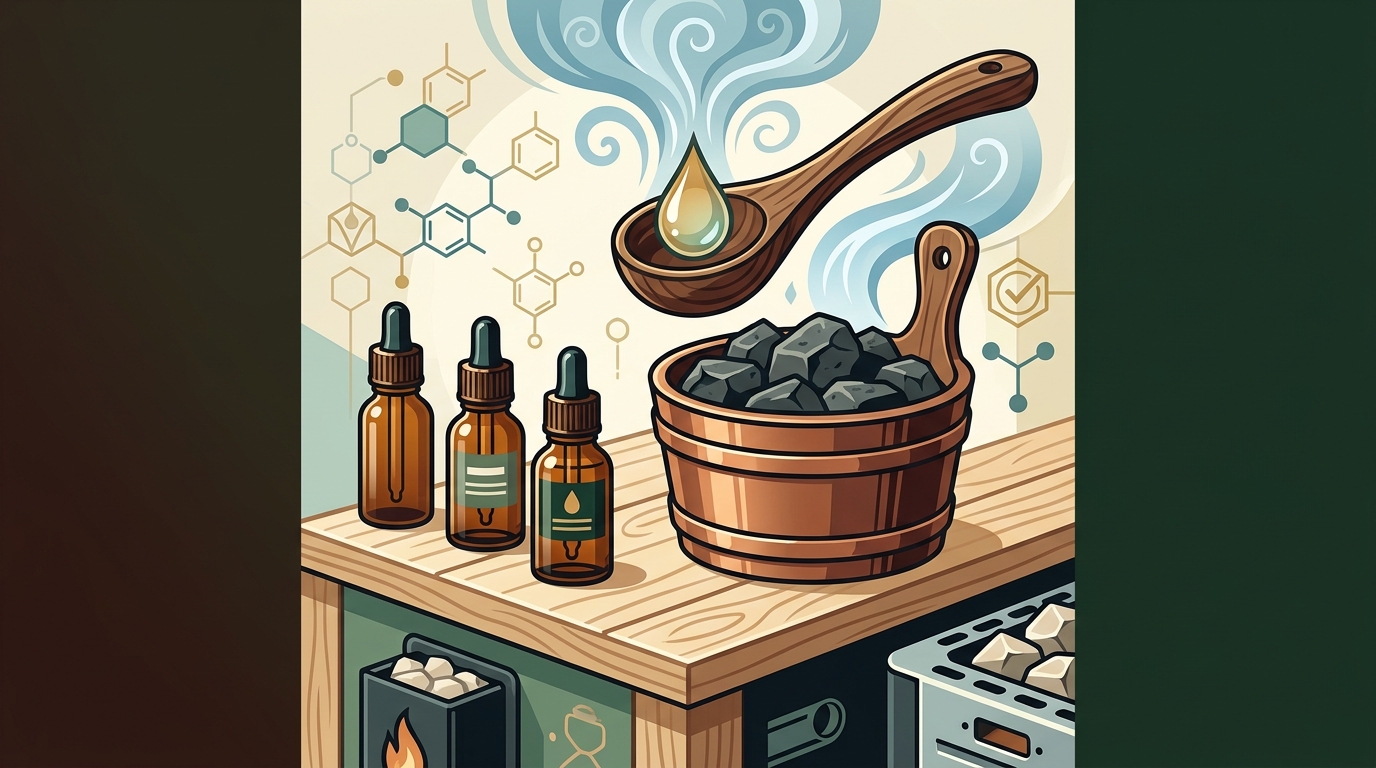
Essential oils are highly concentrated and should never be applied directly to hot stones. They must be diluted in a carrier oil or water before use. Common carrier oils include fractionated coconut oil, jojoba oil, or almond oil. These oils help disperse the essential oil evenly and prevent the intense heat from burning the oil instantly, which can create a smoky, unpleasant odor.
Safe Application Methods for Saunas
Even with high-quality oils, the method of application is critical for safety. Direct contact between essential oils and the heating element or stones can cause smoking, fire hazards, and permanent damage to the sauna interior.
Using a Sauna Ladle
The safest and most effective way to use essential oils in your sauna is with a dedicated ladle. Add water to the ladle first, then add a few drops of essential oil. Stir gently and pour the mixture over the stones, avoiding direct contact with the heating element. This method allows the oil to vaporize gradually with the steam, creating a gentle, aromatic mist.
Sauna Hats and Accessories
For a more subtle experience, you can apply diluted essential oils to a sauna hat or a wooden sauna spoon. These items absorb the oil and release the scent slowly as they heat up. This method is particularly useful for those who are sensitive to strong aromas or want to extend the duration of the scent throughout their session.
Avoiding Direct Contact
Never pour essential oils directly onto the heating element or the top layer of stones where the element is located. This can cause the oil to burn, creating smoke and potentially damaging the heater. Always aim for the lower layers of stones where the heat is radiant but not direct.
Wood Compatibility and Maintenance
Your sauna is likely constructed from high-quality hemlock, cedar, or other aromatic woods. These woods are naturally resistant to moisture and decay, but they can be affected by the accumulation of oil residues.
Regular Cleaning
To maintain the integrity of your sauna wood, clean the interior regularly with a mild, pH-neutral cleaner. Avoid harsh chemicals that can strip the natural oils from the wood. After cleaning, allow the sauna to dry completely before use.
Wood Oil Treatments
Periodically, you may need to apply a specialized sauna wood oil to protect the surface from drying and cracking. Use only oils recommended by your sauna manufacturer. All Day Sauna Co. provides specific care guidelines for each model to ensure your sauna remains beautiful and functional for years.
Preventing Residue Buildup
Using high-quality essential oils minimizes residue buildup. However, if you notice a sticky film on the stones or wood, it is time to deep clean your sauna. Remove the stones and soak them in a vinegar solution to dissolve any oil deposits. Rinse thoroughly and allow them to dry before reinstalling.
Essential Oil Quality Comparison
| Feature | 100% Pure Essential Oil | Synthetic Fragrance Oil | Carrier Oil (Diluent) |
|---|---|---|---|
| Composition | Natural plant extracts | Artificial chemicals | Nut or seed-based oil |
| Sauna Safety | Safe when diluted | Unsafe, toxic fumes | Safe, used for dilution |
| Residue | Minimal to none | Sticky, hard to clean | Can leave film if overused |
| Therapeutic Benefit | High, proven benefits | None | Moisturizing, no scent |
| Cost | Higher upfront cost | Lower cost | Low to moderate cost |
Key Takeaways
- Purity is Paramount: Always choose 100% pure essential oils to avoid toxic fumes and equipment damage.
- Dilution is Essential: Never apply pure essential oils directly to hot stones; always dilute in water or a carrier oil.
- Avoid Synthetic Fragrances: Fragrance oils can release harmful VOCs when heated and should never be used in a sauna.
- Protect Your Wood: Regular cleaning and proper oil selection prevent residue buildup that can damage sauna wood.
- Use Proper Tools: A dedicated sauna ladle ensures safe and even distribution of aromatic steam.
- Check Your Heater: Ensure your oil application does not contact the heating element directly to prevent fire hazards.
- Invest in Quality: High-quality oils provide better therapeutic benefits and are more cost-effective in the long run.
Frequently Asked Questions
Can I use any essential oil in my sauna?
Yes, but you must ensure the oil is 100% pure and diluted properly. Avoid oils with high citric acid content, such as lemon or orange, as they can be irritating when heated. Stick to calming oils like lavender, eucalyptus, or pine.
How many drops of essential oil should I use?
Start with 3 to 5 drops per liter of water. You can adjust the amount based on your preference, but avoid using too much, as it can create an overwhelming scent and leave residue.
Do essential oils damage sauna stones?
Pure essential oils do not damage stones. However, synthetic fragrances can leave a sticky residue that is difficult to remove and may affect the heat retention of the stones.
Can I use essential oils in an infrared sauna?
Infrared saunas do not have hot stones, so the application method is different. You can apply diluted essential oils to a towel or a dedicated diffuser pad placed near the heater, but never directly on the heating panels.
How do I clean essential oil residue from my sauna?
Use a mixture of water and white vinegar to wipe down the stones and wood. Rinse thoroughly with clean water and allow the sauna to dry completely before use.
Are essential oils safe for children?
Some essential oils are safe for children, but others can be too potent. Always consult with a healthcare provider before using essential oils in a sauna with children. Use milder oils like lavender in very low concentrations.
What is the best essential oil for respiratory health?
Eucalyptus and peppermint are excellent choices for respiratory health. They help clear nasal passages and improve breathing. Always dilute these oils properly to avoid irritation.
Start Your Sauna Journey
Investing in high-quality essential oils is just as important as investing in a premium sauna. By following these standards, you ensure a safe, therapeutic, and enjoyable experience every time you step into your sauna. Explore our collection of sauna accessories to find the perfect ladles, hats, and care products to complement your routine. Book a call with our team to discuss your specific sauna needs and get personalized recommendations.