

Essential Features to Compare When Choosing a Tent Sauna for Home Use
The global wellness market has seen a dramatic shift toward accessible, at-home recovery tools. According to recent industry data, the infrared sauna market is projected to grow significantly through 2026, driven by consumer demand for convenient health solutions. This surge highlights why more homeowners are looking beyond traditional wood-burning units to explore portable alternatives. A tent sauna offers a unique blend of affordability and flexibility, but selecting the right model requires careful evaluation of several critical technical and ergonomic factors.
Understanding Tent Sauna Technology
Tent saunas, often referred to as portable infrared saunas, utilize carbon or ceramic heating panels to emit far-infrared radiation. This technology penetrates the body at a molecular level, promoting detoxification and muscle relaxation without heating the surrounding air to extreme temperatures. Unlike traditional steam rooms, which require high humidity and significant structural support, these units are designed for rapid deployment in standard residential spaces.
The core advantage lies in their modularity. Many modern units allow users to adjust the height and width to fit different body types and room dimensions. This adaptability makes them ideal for renters or homeowners with limited space. For a deeper look at how these units function, you can explore the sauna collection available through All Day Sauna Co.
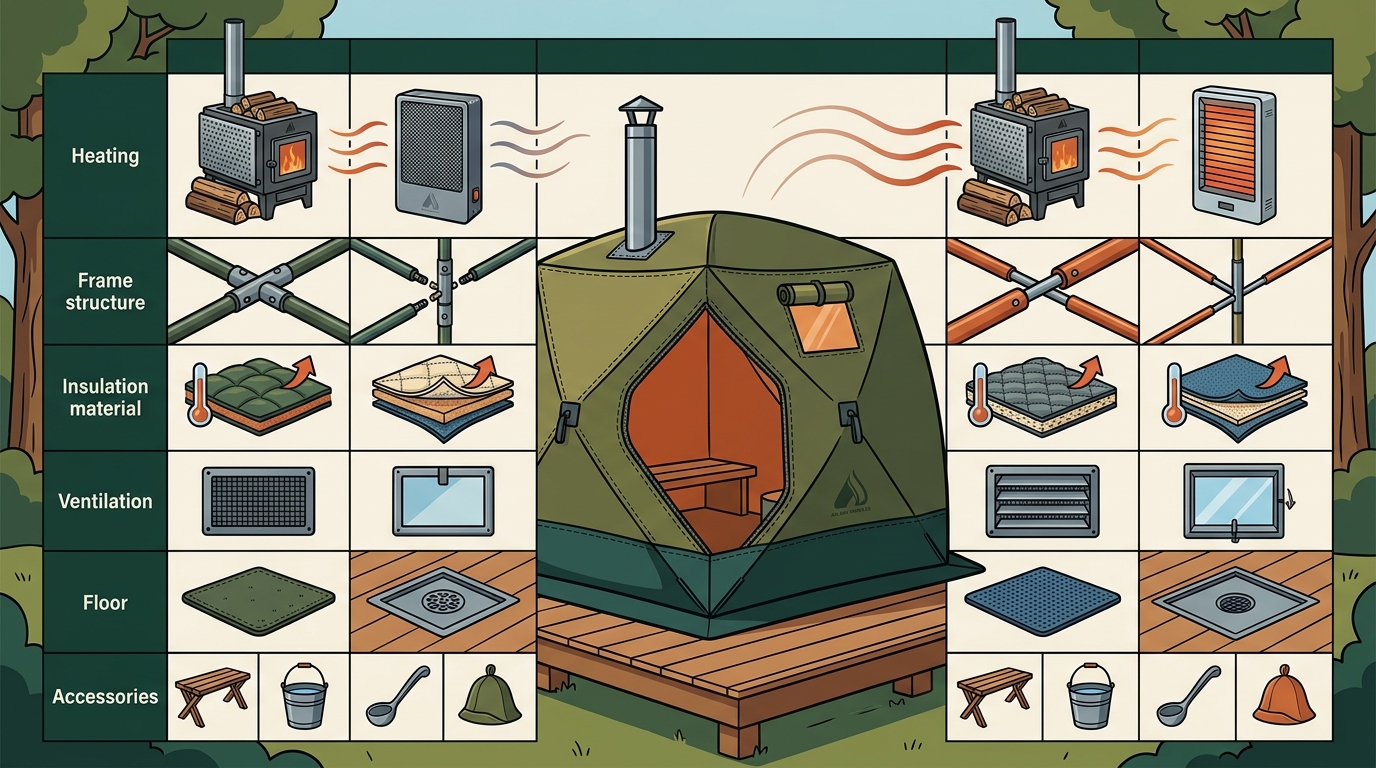
Material Quality and Heat Retention
The durability of a tent sauna depends heavily on the fabric used in its construction. High-quality models utilize heavy-duty, fire-retardant materials that can withstand repeated exposure to heat without degrading. The inner lining is particularly important, as it reflects infrared waves back toward the user, maximizing efficiency.
When comparing options, look for materials that offer superior thermal insulation. Poor insulation leads to heat loss, forcing the heating elements to work harder and increasing energy consumption. Additionally, the zippers and seams must be robust to prevent air leaks. A well-sealed tent ensures that the temperature remains stable, providing a consistent therapeutic experience. You can find premium sauna accessories that complement these structural features.
Heating Systems and Power Requirements
The heart of any tent sauna is its heating system. Most units employ carbon fiber panels, which heat up quickly and emit a broad spectrum of infrared light. Some advanced models combine carbon with ceramic heaters to target specific frequencies. It is crucial to check the wattage of the panels, as this determines the heat output and the size of the space the unit can effectively warm.
Power requirements vary by model. Smaller, single-person units typically operate on standard 110-volt household outlets. Larger, multi-person tents may require 220-volt connections. Always verify the electrical specifications before purchase to ensure compatibility with your home infrastructure. For those interested in the broader ecosystem of sauna care, accessories like ladles and oils can enhance the overall experience.
Ventilation and Airflow Dynamics
Adequate ventilation is non-negotiable for safety and comfort. Even in a far-infrared sauna, the body sweats profusely, and stagnant air can become oppressive. Look for units with adjustable vents at the top and bottom of the tent. These vents allow for cross-ventilation, drawing in fresh air and expelling humid, heated air.
Proper airflow also helps regulate the internal temperature, preventing the environment from becoming too intense too quickly. This feature is particularly important for beginners who are acclimating to heat therapy. The ability to control airflow gives you the power to customize your session intensity. For more information on maintaining your sauna environment, visit the blog section for expert tips.
Size, Capacity, and Portability
Choosing the right size involves balancing your physical space with your usage needs. Single-person tents are compact and easy to store, making them ideal for small apartments. Multi-person units offer more comfort for couples or families but require a larger footprint and more storage space when folded.
Portability is another key consideration. While tent saunas are lighter than traditional wood or electric saunas, they still have weight. Check the folded dimensions and weight to ensure you can easily move the unit. Many users appreciate the ability to set up and break down the sauna in minutes, allowing for flexible scheduling. Explore the shop all category to see various size options.
Critical Safety Features to Verify
Safety should be the primary driver in your decision-making process. First, ensure the unit has an automatic shut-off timer. This feature prevents overheating and ensures you do not stay in the sauna longer than intended. Second, check for overheat protection sensors that cut power if internal temperatures exceed safe limits.
Additionally, the materials should be non-toxic and free from harmful chemicals like PVC or formaldehyde. Look for certifications that verify the safety of the electrical components. Proper grounding is essential to prevent electrical shocks. Always read the manual carefully and follow all safety guidelines. For professional guidance, you can book a call with our experts.
Feature Comparison Summary
| Feature | Single-Person Tent | Multi-Person Tent | Traditional Wood Sauna |
|---|---|---|---|
| Installation Time | 10-15 minutes | 20-30 minutes | Days to Weeks |
| Heat Type | Far-Infrared | Far-Infrared | Convection/Steam |
| Power Source | 110V Standard Outlet | 110V or 220V | High-Voltage Electric or Gas |
| Portability | High | Medium | None |
| Maintenance | Low (Wipe Down) | Low (Wipe Down) | High (Wood Care) |
Key Takeaways
- Material Durability: Look for fire-retardant, heavy-duty fabrics with reflective inner linings for optimal heat retention.
- Heating Efficiency: Carbon fiber panels offer faster heat-up times and more even distribution than traditional ceramic elements.
- Ventilation Control: Adjustable vents are essential for managing humidity and preventing overheating during long sessions.
- Safety Protocols: Automatic shut-off timers and overheat sensors are mandatory features for any home sauna unit.
- Power Compatibility: Verify whether your home outlet supports the wattage requirements of the chosen model.
- Portability: Consider the folded dimensions and weight if you plan to move the sauna frequently.
- Brand Support: Choose a retailer like All Day Sauna Co. that offers comprehensive customer support and warranty coverage.
Frequently Asked Questions
How long does it take to heat up a tent sauna?
Most modern tent saunas with carbon fiber panels reach operating temperature within 10 to 15 minutes. This is significantly faster than traditional saunas, which can take 30 to 45 minutes to warm up.
Can I use a tent sauna in a small bedroom?
Yes, tent saunas are designed for residential use. However, you must ensure the room has adequate ventilation and a nearby power outlet. It is also important to clear enough space around the tent for safe entry and exit.
What is the difference between carbon and ceramic heaters?
Carbon heaters emit a broader spectrum of infrared light and heat up more evenly. Ceramic heaters tend to focus on shorter wavelengths and may require longer warm-up times. Carbon is generally preferred for home use due to its efficiency.
How do I clean my tent sauna?
Simply wipe down the interior with a damp cloth after each use. Avoid using harsh chemicals that could damage the fabric or heating elements. Allow the tent to air dry completely before folding it for storage.
Is a tent sauna safe for people with heart conditions?
While infrared saunas are generally considered safe, individuals with heart conditions or those who are pregnant should consult their physician before use. The heat can increase heart rate and blood flow, which may not be suitable for everyone.
Do I need a special outlet for my sauna?
Most single-person tent saunas operate on standard 110-volt outlets. Larger units may require a 220-volt connection. Always check the product specifications to ensure your home electrical system can support the load.
How long do tent saunas last?
With proper care, a high-quality tent sauna can last for several years. The lifespan depends on the frequency of use and the durability of the materials. Regular maintenance, such as keeping the fabric clean and dry, extends its life.
Start Your Sauna Journey
Investing in a home tent sauna is a step toward better health and relaxation. By carefully comparing the features outlined above, you can choose a unit that fits your lifestyle and needs. Explore the premium sauna collection at All Day Sauna Co. to find the perfect match for your home. Book a call today to speak with a specialist and get personalized recommendations.