
Defining the Portable Tent Sauna
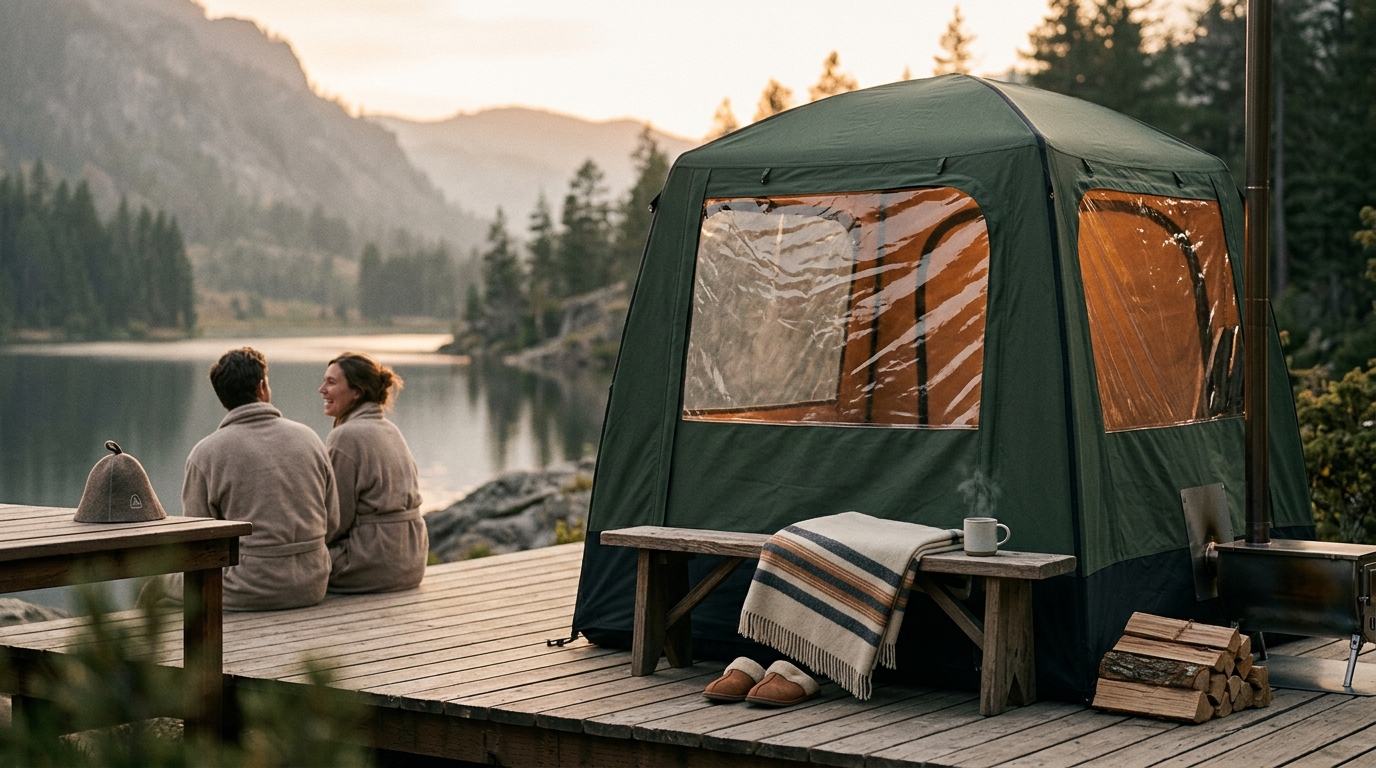
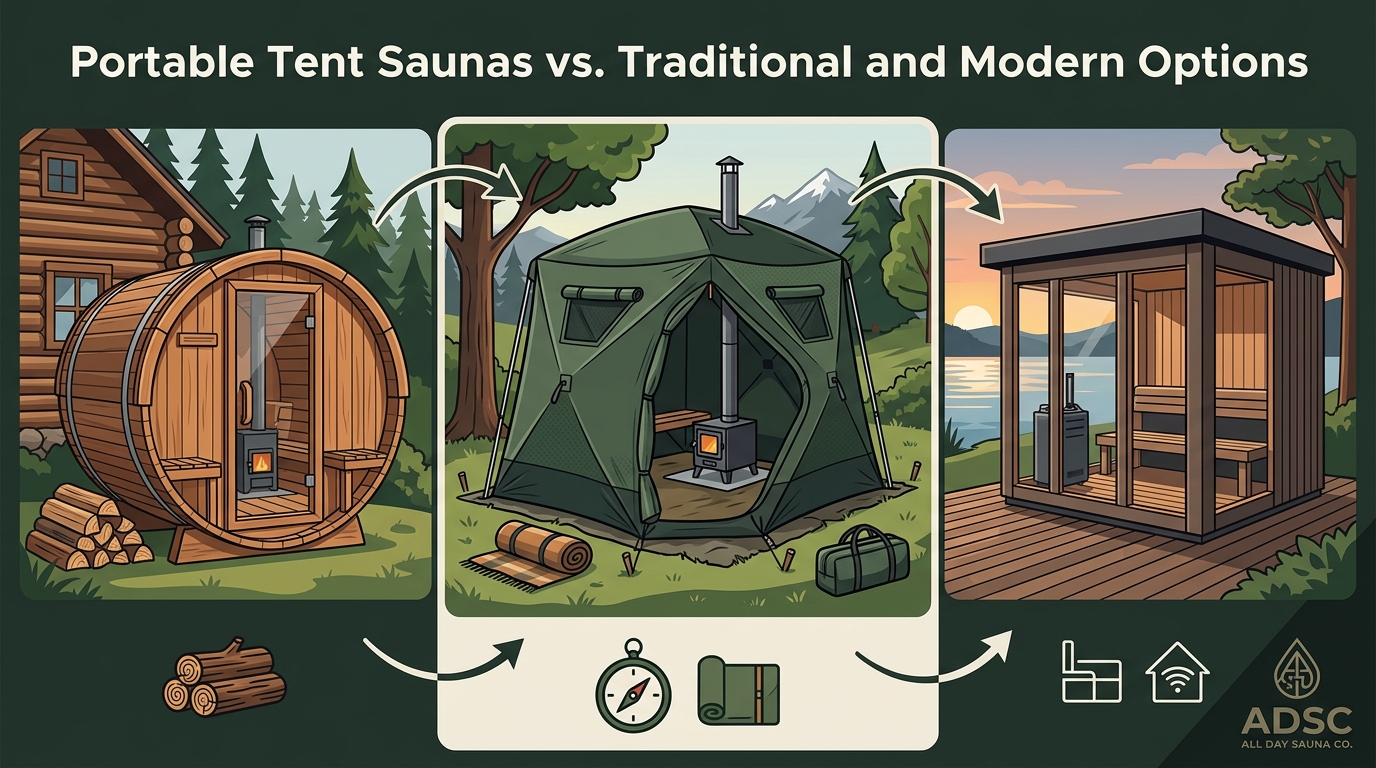
For many users, the appeal lies in the ability to move the sauna to different locations. You can set it up in a backyard, a campsite, or a balcony. The fabric walls provide insulation but are not as rigid as wood or glass. This flexibility allows for a unique experience that adapts to your environment rather than forcing your environment to adapt to the sauna. For additional details, review the Terms of service ndash.
The Case for Traditional Wood Saunas
The durability of a traditional sauna is a major advantage. A well-built wooden sauna can last for decades with proper maintenance. The materials used are natural and often treated to resist moisture and decay. For homeowners who view the sauna as a permanent fixture of their property, the investment in a traditional build is justified by its longevity and structural integrity. For additional details, review the Collections ndash All Day.
Modern Infrared and Electric Options
The primary benefit of modern electric saunas is convenience and precision. Users can easily control temperature and session duration with digital interfaces. These units are generally easier to install than traditional wood saunas because they do not require complex ventilation or heavy structural support. They are a popular choice for urban dwellers who want a sauna experience without the hassle of outdoor construction. For additional details, review the Products ndash All Day.
Comparing Cost, Space, and Setup
When comparing these options, cost and space are the most critical factors. Portable tent saunas generally have a lower upfront cost than permanent structures. They also require minimal space, as they can be folded and stored away. Traditional saunas represent a higher capital investment and require a dedicated, permanent footprint.
Setup time varies significantly between the three types. A portable tent can be assembled in minutes to hours. A traditional sauna requires weeks of construction and curing. Modern electric saunas usually arrive pre-assembled or require simple plug-and-play installation. The choice depends on how quickly you want to start using the sauna and how much space you are willing to dedicate to it.
User Experience and Maintenance
Maintenance requirements also vary. Portable tents require regular cleaning of the fabric and protection from the elements when stored. Traditional saunas need periodic sanding and oiling of the wood to prevent drying and cracking. Modern saunas are generally low-maintenance, requiring only surface cleaning and occasional filter changes. Understanding these upkeep needs is essential for long-term satisfaction.
Key Takeaways
- Traditional wood saunas provide the best durability and classic aesthetic.
- Modern infrared saunas are the most convenient for indoor, space-limited setups.
- Cost varies significantly, with tents being the most affordable upfront.
- Maintenance needs differ, with wood requiring more attention than fabric or glass.
- Choose based on your available space, budget, and preferred ambiance.
Frequently Asked Questions
Is a portable tent sauna safe to use outdoors?
How does a tent sauna compare in price to a permanent one?
Portable tent saunas are generally less expensive than permanent wood or glass saunas. They do not require the costs associated with construction, foundations, or complex electrical work. This makes them a more accessible option for many consumers.
Can I use a portable sauna in winter?
Yes, many portable saunas are designed to be used in various weather conditions. The fabric provides insulation, and the heater can maintain a comfortable internal temperature even in cold outdoor environments. Check the specific product specifications for temperature ratings.
What is the lifespan of a portable tent sauna?
The lifespan depends on the quality of the materials and how well it is stored. High-quality tents can last for several years with proper care. Protecting the fabric from prolonged sun exposure and moisture when not in use will extend its life.
Do I need a special heater for a tent sauna?
Most portable tent saunas are compatible with specific types of heaters, such as wood-burning stoves or electric units. It is important to use a heater that is rated for the size of the tent and the type of fuel you intend to use. Using the wrong heater can be a safety hazard.