
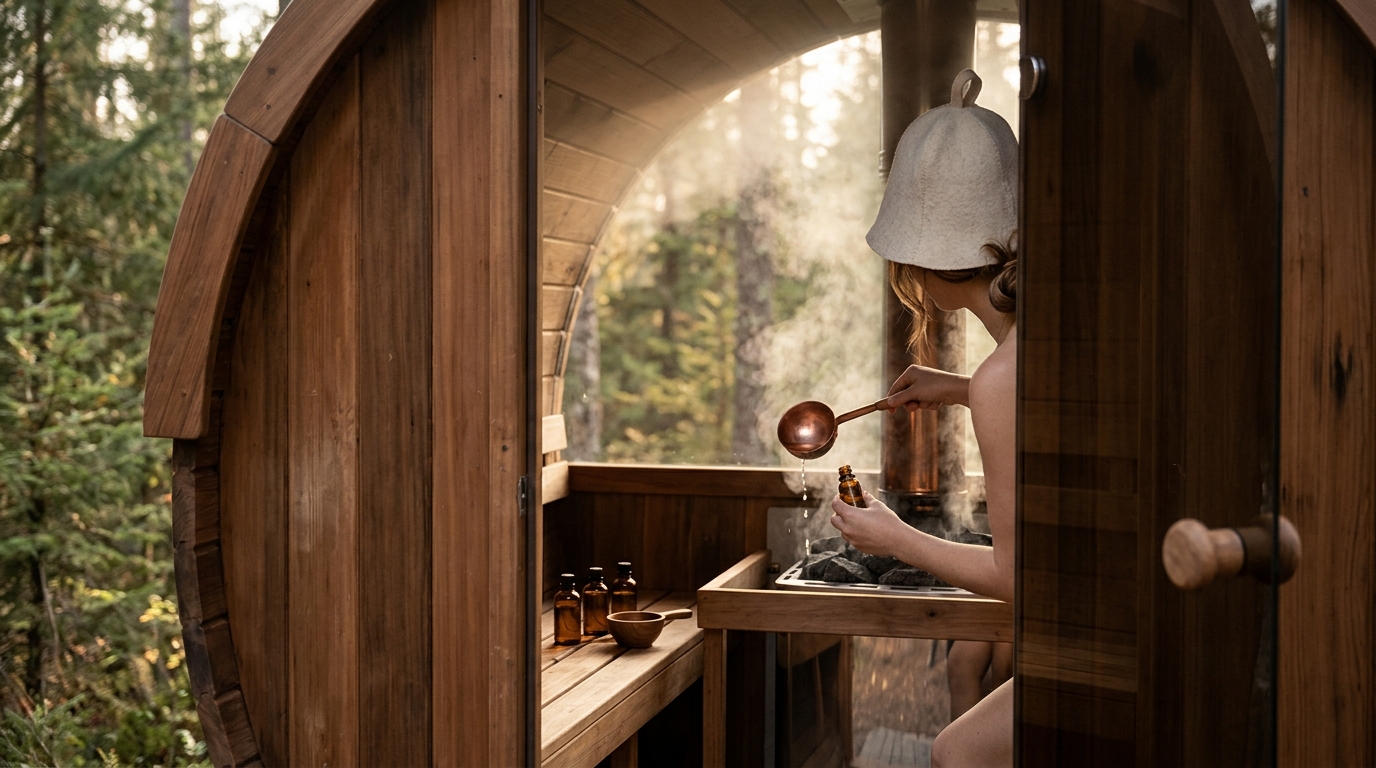
Adding essential oils to a sauna can enhance the sensory experience, but safety and proper technique are critical to avoid skin irritation or respiratory discomfort. All Day Sauna Co. recommends a methodical approach to ensure your aromatherapy session is both enjoyable and secure. This guide outlines the precise steps to introduce scents into your heat environment without compromising your well-being.
1. Choose High-Quality, Pure Oils
Select 100% pure essential oils to minimize the risk of skin irritation or allergic reactions. Synthetic fragrances or heavily diluted blends can release harmful chemicals when heated. Look for oils that are steam distilled or cold-pressed, as these methods preserve the natural properties of the plant. Avoid products with added fillers or synthetic musks, which do not behave predictably in high-heat environments.
2. Perform a Patch Test
Test the oil on a small area of skin 24 hours before your sauna session. Essential oils are potent botanical extracts that can cause contact dermatitis in sensitive individuals. Apply a single drop diluted in a carrier oil to your inner forearm and wait a full day. If you experience redness, itching, or swelling, do not use that oil in your sauna.
3. Dilute the Oil Properly
Always dilute essential oils in a carrier medium before applying them to your body or the sauna. Undiluted essential oils are too concentrated for direct skin contact. A standard dilution ratio is 1 to 3 drops of essential oil per teaspoon of a carrier oil like jojoba or fractionated coconut oil. This ensures the scent disperses evenly without overwhelming your senses or causing localized irritation.
4. Apply to a Cloth, Not Directly to Skin
Place the diluted oil on a clean cloth or towel rather than applying it directly to your skin. This method allows the heat to gently vaporize the scent without the oil sitting heavily on your pores. You can drape the cloth over your shoulders or place it on a bench. This technique provides a consistent aroma while keeping your skin free from sticky residue.
5. Avoid Direct Contact with Heated Surfaces
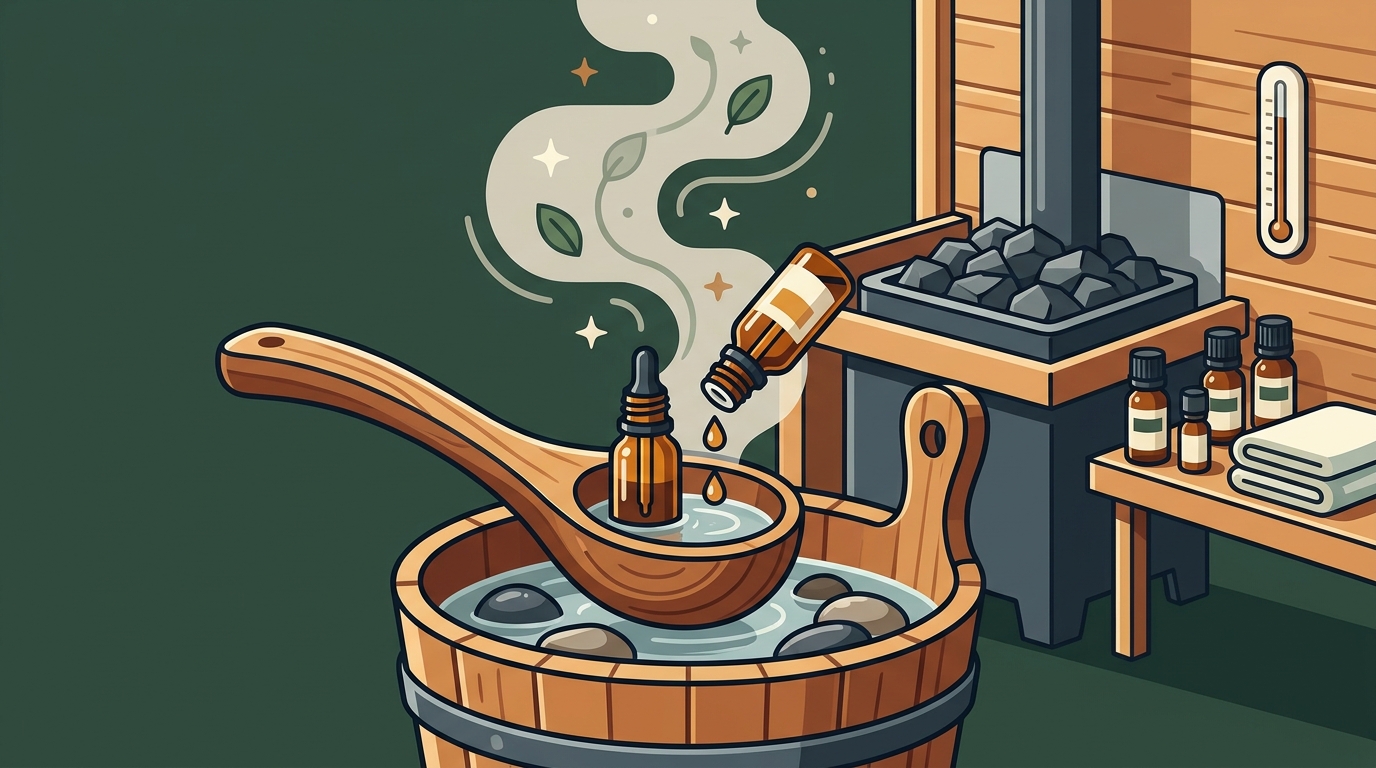
Never pour essential oils directly onto hot rocks, benches, or the floor. Direct contact with high temperatures can cause the oil to scorch, producing an acrid, unpleasant smell. It can also create a slippery hazard on wooden surfaces. Instead, use a dedicated aromatherapy stone or a heat-safe dish placed on a stable, non-slip surface away from direct flame or heating elements.
6. Start with a Low Temperature
Begin your session at a moderate temperature to allow the scent to develop gradually. High heat can cause essential oils to evaporate too quickly, leading to a burst of intense scent followed by a sudden drop. Starting at a lower temperature allows for a more controlled release. You can increase the heat slightly if you find the aroma too subtle, but avoid rapid temperature spikes.
7. Monitor Your Breathing and Comfort
Pay close attention to how you feel during the session and exit immediately if you experience discomfort. Some individuals may find certain scents triggering or overwhelming in a confined, hot space. If you feel dizzy, short of breath, or experience headache, step out of the sauna and into fresh air. Listen to your body and adjust the amount of oil used in future sessions accordingly.
Choosing the Right Oil for Your Session
Selecting the right essential oil depends on your personal preference and the desired atmosphere. Lavender is often chosen for its calming properties, while eucalyptus is popular for its fresh, invigorating scent. Citrus oils like lemon or orange can create an uplifting environment. At All Day Sauna Co., we encourage experimentation to find the scent profile that best suits your relaxation goals. Remember that less is often more in a sauna setting, so start with a small amount and adjust as needed.
Frequently Asked Questions
Can I use essential oils in an electric sauna?
Yes, you can use essential oils in an electric sauna, but you must avoid direct contact with the heating elements. Use a heat-safe dish or a cloth to hold the diluted oil. Ensure the oil is not placed directly on the heater to prevent scorching or fire hazards.
How many drops of essential oil should I use?
A general guideline is to use 3 to 5 drops of essential oil per person for a standard sauna session. Start with a lower amount, such as 2 to 3 drops, and increase if the scent is too faint. The goal is a subtle background aroma, not an overpowering fragrance.
Are there essential oils I should avoid in a sauna?
It is best to avoid oils that are known to be highly sensitizing or phototoxic, such as undiluted citrus oils if you plan to be in sunlight immediately after. Additionally, avoid synthetic fragrances or perfumes, as they may release harmful chemicals when heated. Stick to pure, natural essential oils.
How do I clean the sauna after using essential oils?
After your session, wipe down any surfaces that may have come into contact with the oil using a mild, natural cleaner. Ensure the sauna is well-ventilated to allow any residual scent to dissipate. Regular cleaning helps maintain the integrity of the wood and prevents oil buildup.
Can I use essential oils in a cold plunge after the sauna?
It is generally not recommended to add essential oils to a cold plunge. The cold water may not vaporize the oil effectively, and it can create a slippery surface. If you wish to use aromatherapy, stick to the sauna portion of your routine and keep the cold plunge area free of oils.
Ready to Enhance Your Sauna Experience?
Explore the full range of sauna accessories and gear at All Day Sauna Co. to find the perfect additions for your home or outdoor sauna setup.