
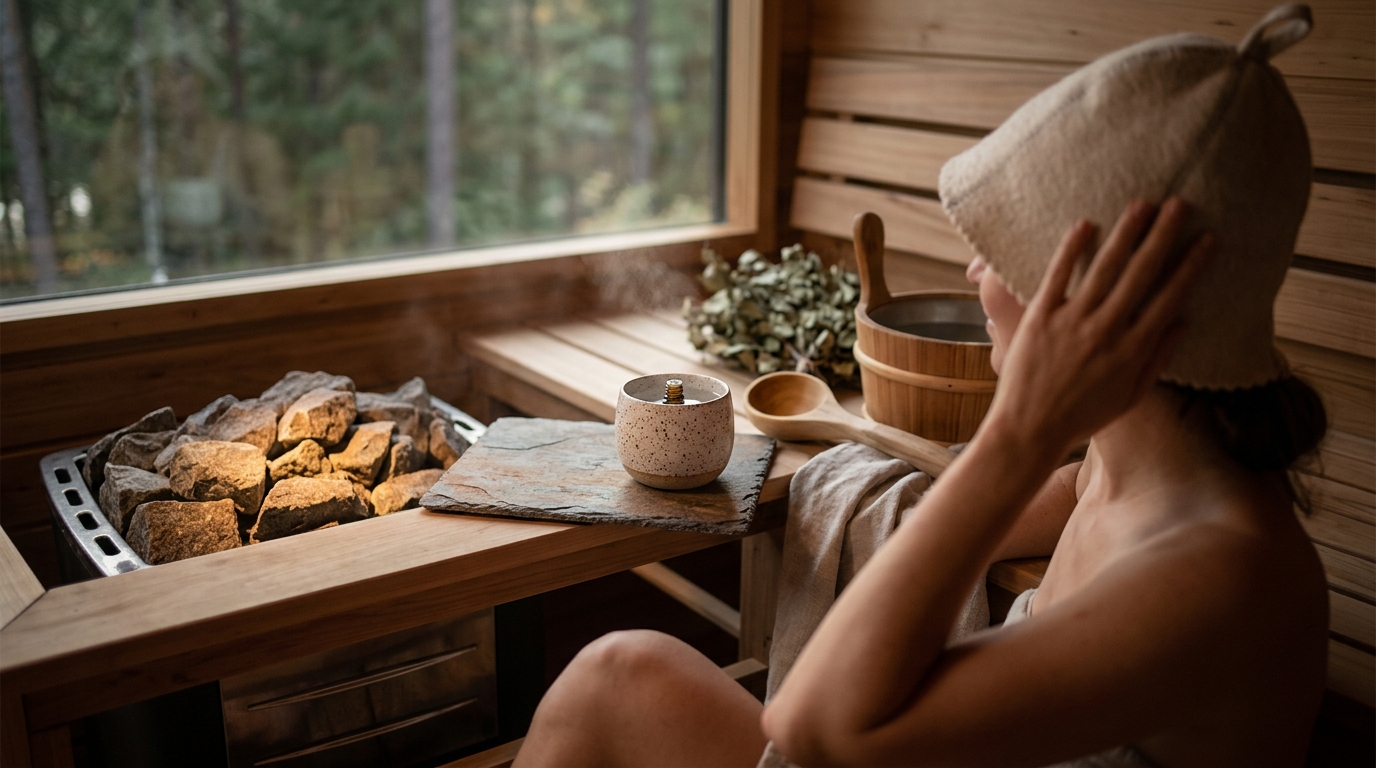
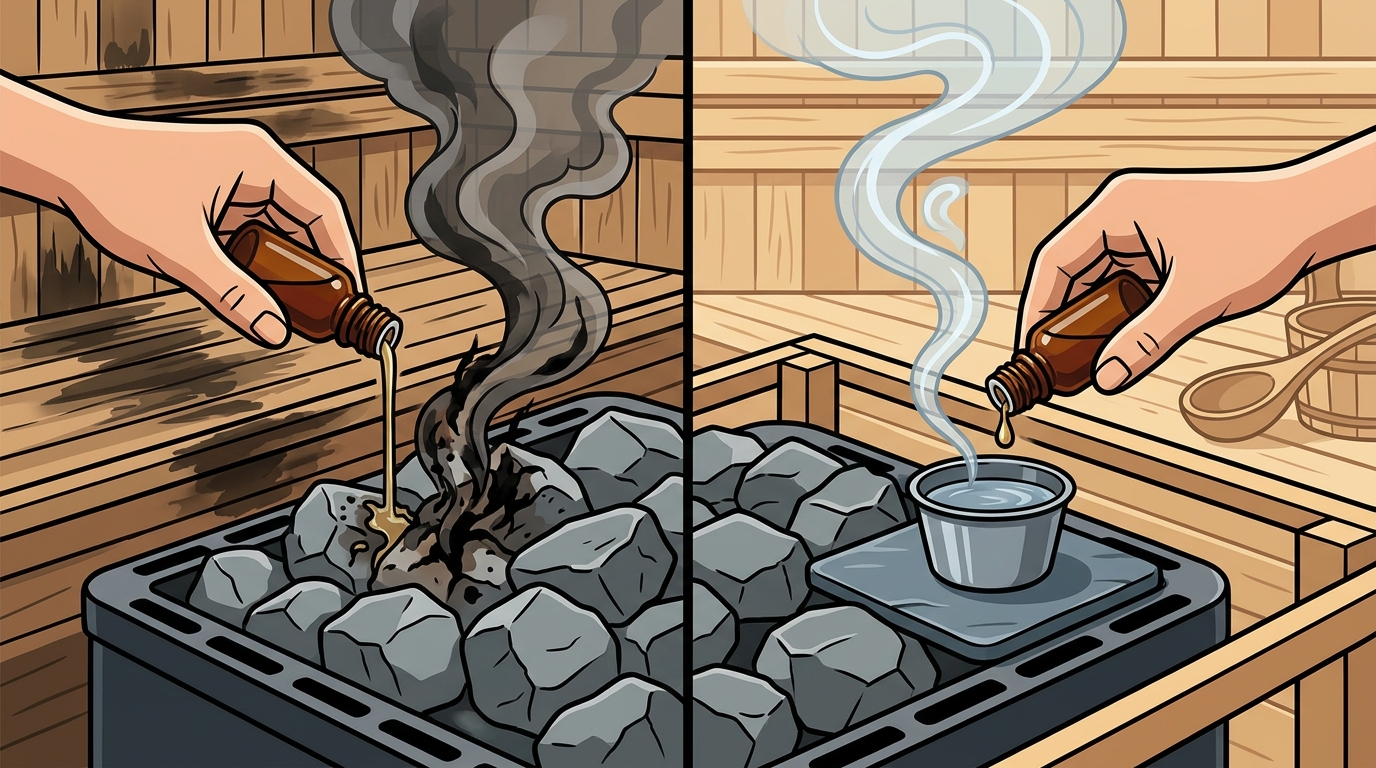
Applying essential oils directly to hot stones or wood surfaces is the least safe method. The safest approach is using a dedicated heat-resistant diffuser cup or placing oils on a separate, removable surface. This prevents direct contact between the oil and your sauna's structural materials, ensuring long-term durability and a consistent aroma experience. according to Essential Oils For additional details, review the Contact information ndash All.
Why Direct Application Damages Sauna Materials
Essential oils are highly concentrated plant extracts that can interact negatively with certain materials. When applied directly to wood, they can leave permanent stains or alter the finish over time. This is particularly true for lighter woods like cedar or spruce, which are common in sauna construction. The heat from the sauna can accelerate this process, causing the oil to bond with the wood fibers rather than simply evaporating. For additional details, review the Shop All ndash All.
Additionally, essential oils can degrade certain types of sealants and finishes used on sauna benches and walls. Over time, this can lead to a sticky residue that is difficult to clean and may affect the structural integrity of the wood. By avoiding direct contact, you protect your investment and maintain the aesthetic appeal of your sauna.
The Role of Heat-Resistant Diffuser Cups
A heat-resistant diffuser cup is a specialized container designed to hold essential oils and water while sitting on top of hot sauna stones. This method allows the oils to vaporize safely without touching the wood or stones directly. The cup acts as a barrier, ensuring that the heat from the stones is transferred to the water and oil mixture, creating a gentle mist of aroma.
Using a diffuser cup also gives you better control over the intensity of the aroma. You can adjust the amount of water and oil to suit your preference, and you can easily remove the cup when you are finished. This makes it a practical and safe solution for regular sauna users who want to enjoy the benefits of aromatherapy without compromising their equipment.
Choosing the Right Essential Oils for Saunas
Not all essential oils are created equal when it comes to sauna use. Some oils are more volatile than others, meaning they evaporate faster and may require more frequent refilling. Oils like eucalyptus, peppermint, and lavender are popular choices for saunas due to their refreshing and calming properties. However, it is important to choose high-quality, pure essential oils to avoid any potential irritants or additives.
When selecting oils, consider the scent profile that complements your sauna experience. For example, citrus oils like lemon or orange can be invigorating, while herbal oils like rosemary or thyme can be grounding. Experimenting with different combinations can help you find the perfect aroma for your personal preference. Always start with a small amount to gauge the intensity before adding more.
Maintenance and Cleaning Best Practices
Regular maintenance is key to keeping your sauna in optimal condition. After each use, wipe down the diffuser cup and any surfaces that may have come into contact with the oil. This prevents buildup and ensures that your sauna remains clean and hygienic. Using a soft cloth and mild soap is usually sufficient for most cleaning tasks.
It is also important to inspect your sauna regularly for any signs of wear or damage. Check the wood for cracks or discoloration, and ensure that the stones are free from any residue. By staying proactive with maintenance, you can extend the life of your sauna and enjoy a safe and pleasant experience for years to come.
Key Takeaways
- Avoid applying essential oils directly to wood or stones to prevent damage.
- Use a heat-resistant diffuser cup for safe and controlled aroma diffusion.
- Choose high-quality, pure essential oils suitable for sauna use.
- Experiment with different oil combinations to find your preferred scent.
- Perform regular cleaning and maintenance to preserve your sauna's condition.
Frequently Asked Questions
Can I use any essential oil in my sauna?
While many essential oils are safe for sauna use, it is best to choose those that are known for their volatility and pleasant scent. Avoid oils that are too heavy or sticky, as they may not vaporize well and could leave residue.
How much essential oil should I use in a diffuser cup?
Start with 3 to 5 drops of essential oil per cup of water. Adjust the amount based on your preference for aroma intensity. More oil will create a stronger scent, but too much can be overwhelming.
Will essential oils stain my sauna stones?
If applied directly, some oils may stain porous stones. Using a diffuser cup prevents direct contact, reducing the risk of staining. Always clean the stones regularly to maintain their appearance.
How often should I clean my diffuser cup?
Clean your diffuser cup after each use to prevent oil buildup. A quick rinse with warm water and mild soap is usually sufficient to keep it in good condition.
Are there any oils I should avoid in a sauna?
Avoid oils that are known to be irritating or allergenic, especially if you have sensitive skin or respiratory issues. Always test a small amount in a well-ventilated area before using it in your sauna.