
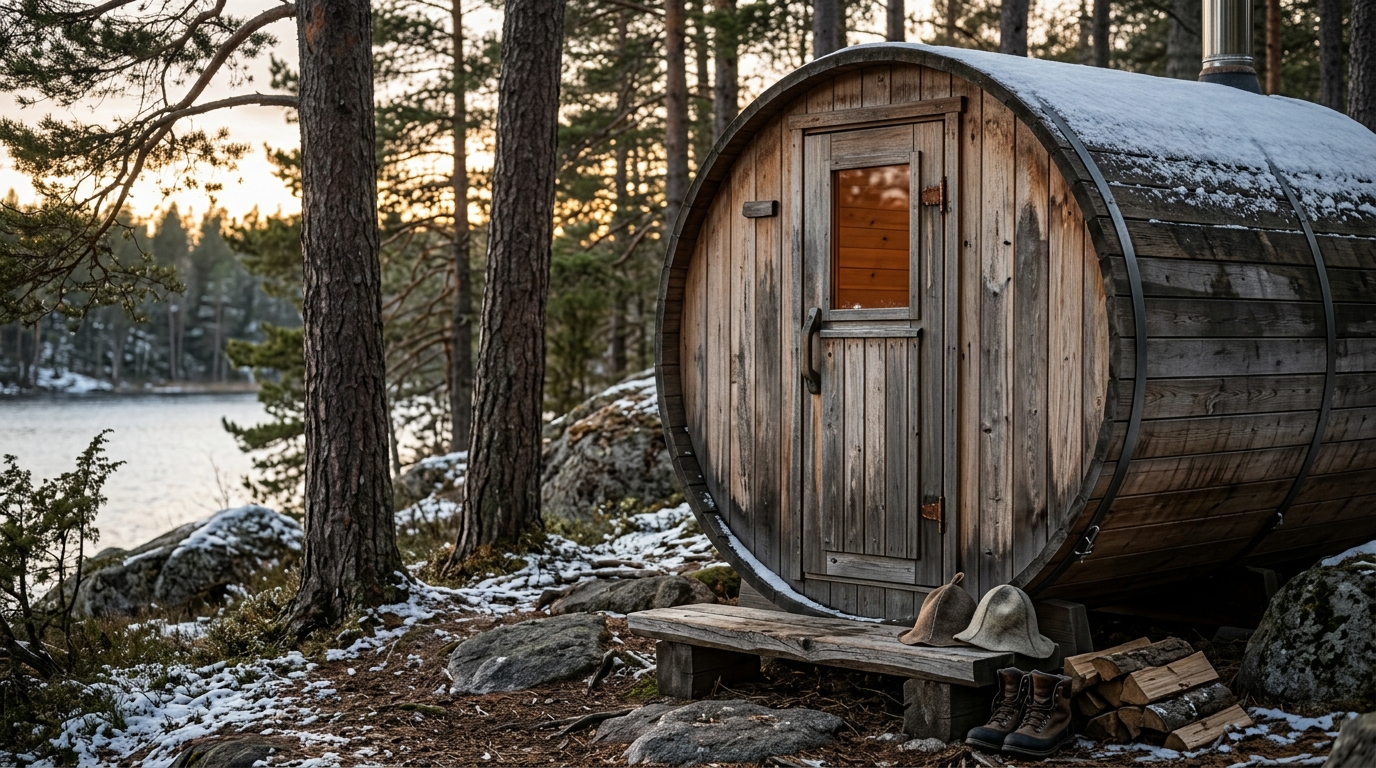
Outdoor sauna materials determine how well a structure withstands rain, snow, and UV exposure. Wood, canvas, and synthetic fabrics each degrade at different rates depending on climate and maintenance. All Day Sauna Co. designs gear to help users select durable options that last for years of consistent use.
Wooden Frames and Structural Integrity
Traditional wooden saunas rely on the natural durability of specific tree species. Cedar is a common choice because it contains natural oils that resist rot and insect damage. These woods handle moisture well but require periodic sealing to maintain their structural integrity over time. In humid climates, untreated wood may warp or crack within a few years without proper care. For additional details, review the Terms of service ndash.
Canvas and Synthetic Fabrics
Portable saunas often use heavy-duty canvas or synthetic fabrics for their walls. These materials are lightweight and easy to store, making them popular for temporary setups. However, they are more susceptible to UV degradation than solid wood. Prolonged sun exposure can cause synthetic fabrics to become brittle and tear over time. For additional details, review the The Ultimate Guide to.
High-quality canvas is typically treated with water-resistant coatings to handle rain and snow. Users should inspect these coatings annually and reapply them as needed. Synthetic options like polyester may offer better water resistance but can trap heat more effectively, which is a feature for some but a drawback for others. The lifespan of these fabrics usually ranges from three to seven years with regular maintenance.
Insulation and Thermal Performance
Insulation materials play a crucial role in how a sauna holds heat and resists external weather. Reflective foil is a common choice for portable saunas because it is lightweight and effective at bouncing infrared heat back into the room. This material is durable and does not degrade easily under UV exposure, making it a long-lasting option for outdoor use.
Thick wool or felt insulation provides better thermal mass and comfort. These materials absorb heat slowly and release it gradually, creating a more stable internal temperature. However, they can absorb moisture if not properly sealed. All Day Sauna Co. offers wool sauna hats that complement this type of insulation by protecting the user's head from heat loss.
Maintenance Routines for Longevity
Regular maintenance is the single most important factor in extending the life of any outdoor sauna. Users should clean the interior after each session to remove sweat and oils that can break down materials. For wooden saunas, applying a natural oil or wax every six months helps protect the surface from moisture. This routine prevents the wood from drying out and cracking in cold weather.
For fabric saunas, storing the unit in a dry, cool place when not in use is essential. Leaving a canvas sauna in the rain for extended periods will eventually compromise its waterproofing. Checking for loose seams or tears early can prevent small issues from becoming major repairs. A consistent cleaning schedule ensures that the materials remain in optimal condition for years.
Climate Considerations and Material Choice
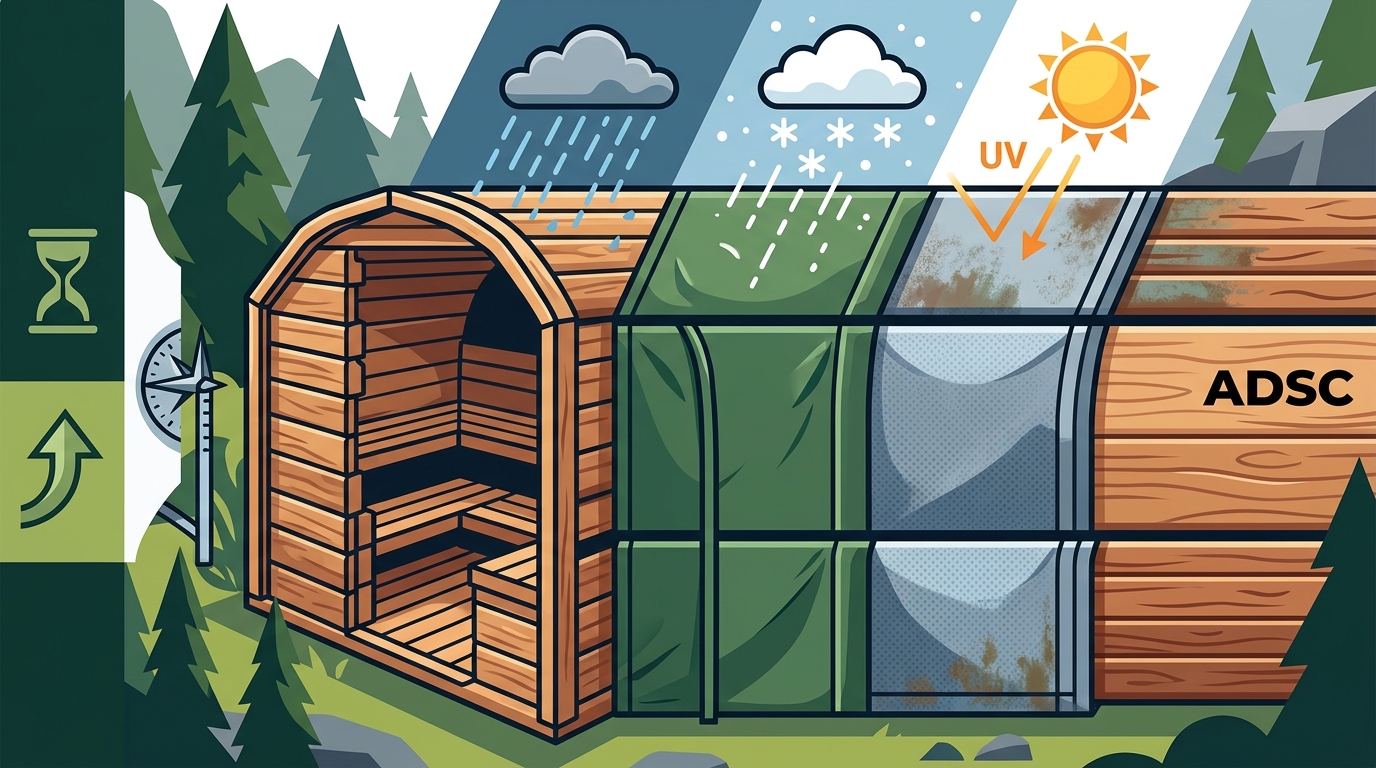
Wind resistance is another critical factor for outdoor setups. Portable saunas with reinforced frames and guy lines handle high winds better than lightweight alternatives. Choosing materials that match your specific environmental conditions ensures that your investment remains functional and safe. All Day Sauna Co. provides sauna information to help users make these informed decisions.
Key Takeaways
- Cedar and oak are the most durable wood options for outdoor saunas due to their natural resistance to rot.
- Synthetic fabrics and canvas are lightweight but require more frequent inspection for UV damage.
- Reflective foil insulation is highly durable and effective for portable sauna setups.
- Regular cleaning and seasonal maintenance significantly extend the lifespan of any sauna material.
- Climate-specific material choices, such as humidity-resistant fabrics, improve long-term performance.
- Proper storage during off-seasons prevents premature degradation of fabric and wood components.
Frequently Asked Questions
How long does a wooden outdoor sauna last?
A well-maintained wooden sauna can last 20 to 30 years or more. Regular sealing and proper ventilation are key to achieving this longevity.
Are canvas saunas durable enough for daily use?
Canvas saunas are durable for regular use but may last 3 to 7 years depending on maintenance. They are best suited for users who prioritize portability over permanent installation.
What is the best insulation for outdoor saunas?
Reflective foil is the best insulation for portable saunas because it is lightweight and UV-resistant. Wool or felt is better for permanent structures that need thermal mass.
How do I protect my sauna from rain?
Use a waterproof cover when the sauna is not in use. For wooden saunas, ensure the roof has proper overhangs to direct water away from the walls.
Can I leave my portable sauna outside year-round?
It is best to store portable saunas indoors during extreme weather. If left outside, use a high-quality cover and ensure the frame is fully secured against wind.