

Using the wrong essential oils in a sauna can ruin the experience, damage the equipment, or even create health hazards. According to industry safety guidelines, improper oil selection is the leading cause of premature heater element failure and respiratory irritation in home sauna environments. This guide helps you avoid those pitfalls by focusing on safety, quality, and proper application techniques.
Why Oil Quality Matters for Your Sauna
Not all essential oils are created equal. Many consumers make the mistake of buying cheap, diluted oils that contain fillers like mineral oil or alcohol. These fillers do not vaporize correctly and can leave sticky residues on your sauna benches and heater stones. Over time, this buildup attracts dust and can create an unpleasant odor when heated. (Sauna Hats ndash All)
High-quality essential oils are 100% pure and derived from the plant material itself. They vaporize cleanly, releasing their therapeutic aromas without leaving behind harmful residues. When you shop at All Day Sauna Co., you are guaranteed access to premium-grade oils designed specifically for high-temperature environments.
Investing in pure oils also ensures that you receive the full therapeutic benefits. Diluted oils often lack the concentration needed to provide relaxation, stress relief, or respiratory support. By choosing purity, you protect both your health and your sauna investment.
Synthetic vs. Natural Oils
One of the most critical distinctions is between synthetic fragrances and natural essential oils. Synthetic oils are chemically engineered to mimic natural scents. While they may smell pleasant initially, they often contain phthalates and other volatile organic compounds (VOCs) that can be harmful when inhaled in a hot, enclosed space.
Natural essential oils are extracted through distillation or cold pressing. They contain the complex chemical profiles of the original plants, which contribute to their therapeutic properties. For example, lavender oil contains linalool, which has been studied for its calming effects. Synthetic lavender oil lacks this complexity and may not provide the same benefits.
Always check the label for the Latin name of the plant. This ensures you are buying the correct species and not a generic imitation. If the label only says "Fragrance Oil" or "Perfume Oil," it is likely synthetic and should be avoided for sauna use.
Correct Application Methods
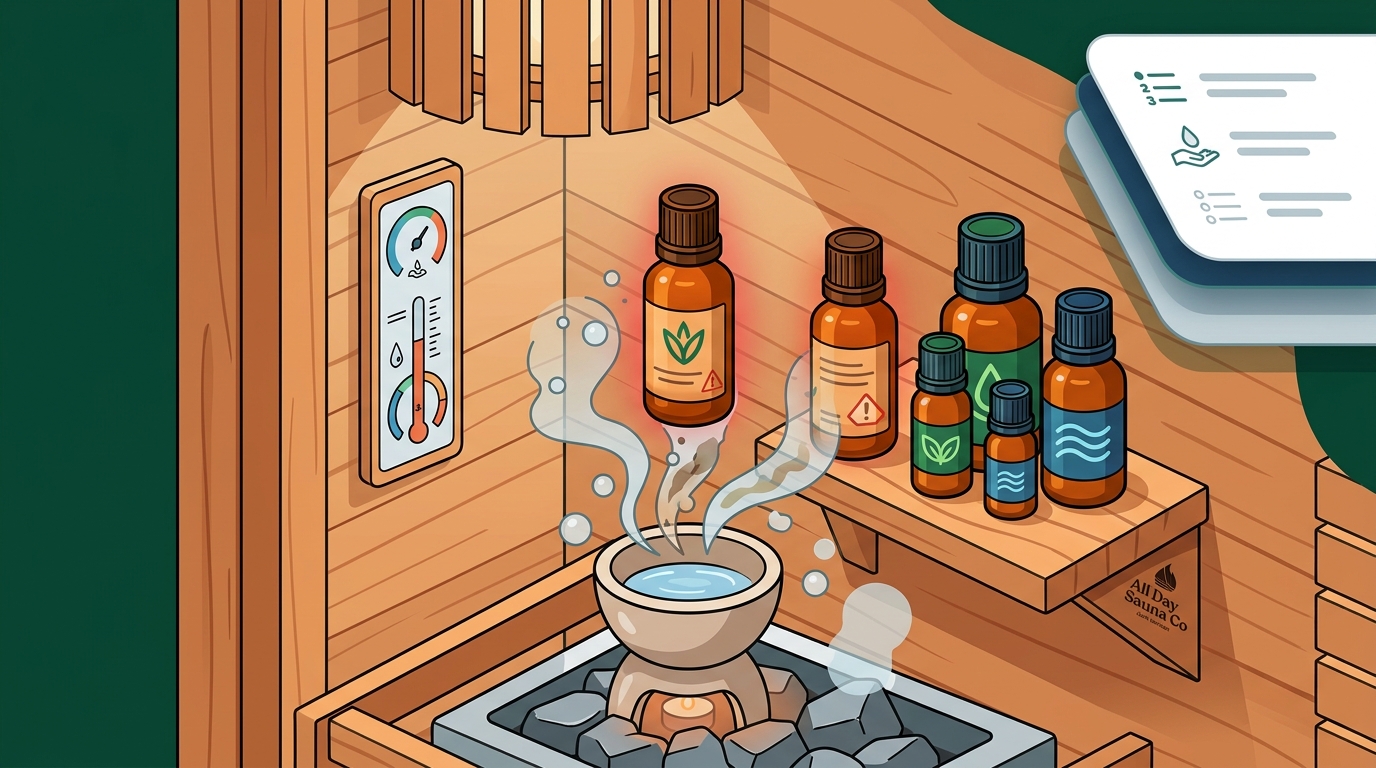
Even the best essential oils can cause damage if applied incorrectly. A common mistake is pouring oil directly onto the hot heater elements. This can cause the oil to burn instantly, creating smoke and a acrid smell that lingers in the sauna. It can also damage the heating coils over time.
The correct method involves using a dropper to apply a few drops onto the sauna stones. These stones are designed to hold heat and release steam when water is added. The oil will vaporize gently with the steam, filling the room with a clean, aromatic scent. For a more subtle effect, you can apply a few drops to a wooden ladle and dip it into the water bucket before pouring it over the stones.
Another effective method is to apply oils to your skin before entering the sauna. This allows the heat to open your pores and absorb the therapeutic benefits directly. However, avoid applying oils to sensitive areas or broken skin. Always perform a patch test first to ensure you do not have an allergic reaction.
Oil Compatibility with Sauna Materials
Some essential oils are more potent than others and can react with the materials in your sauna. For example, citrus oils like lemon or orange are highly acidic and can degrade certain types of wood finishes if applied directly and frequently. While occasional use is generally safe, it is best to rotate your oils and avoid using high-acid citrus oils as your primary scent.
Wooden benches and walls are typically made from cedar, hemlock, or birch. These woods are naturally resistant to moisture and heat. However, they can still absorb strong odors over time. Using a variety of oils helps prevent any single scent from becoming overpowering or permanent.
If you have a sauna with a glass door or window, be cautious with oils that contain high levels of terpenes. These compounds can sometimes leave a slight residue on glass surfaces. Wiping down the glass with a damp cloth after your session will keep it clear and streak-free.
Safety Precautions and Ventilation
Saunas are enclosed spaces with high humidity and temperature. This environment can amplify the effects of essential oils. What feels mild in a cool room can become overwhelming in a sauna. Always start with a small amount of oil, such as one or two drops, and assess how your body reacts before adding more.
Ventilation is key to a safe sauna experience. Ensure that your sauna has adequate airflow to prevent the buildup of excessive humidity and strong aromas. If you feel dizzy, nauseous, or experience difficulty breathing, exit the sauna immediately and get some fresh air.
Certain essential oils are not recommended for use by pregnant women, children, or individuals with specific health conditions. For example, peppermint oil can lower blood pressure and may cause dizziness in some people. Always consult with a healthcare provider before using essential oils if you have any underlying health concerns.
Key Takeaways
- Purity is Paramount: Only use 100% pure essential oils to avoid damaging your heater and ensuring clean vaporization.
- Avoid Direct Contact with Heaters: Never pour oil directly onto the heating elements to prevent burning and smoke.
- Use Sauna Stones: Apply drops to the stones for a safe, aromatic steam release.
- Check for Synthetics: Avoid "fragrance oils" as they contain harmful chemicals not suitable for high-heat inhalation.
- Start Small: Begin with one or two drops to gauge your tolerance in the hot environment.
- Rotate Scents: Use a variety of oils to prevent wood benches from absorbing a single, overpowering odor.
- Prioritize Ventilation: Ensure your sauna is well-ventilated to manage humidity and aroma levels.
Frequently Asked Questions
Can I use any essential oil in my sauna?
While many essential oils are safe, you should avoid those with high acidity or those known to cause skin irritation. Always check the safety data sheet for the specific oil before use.
How many drops of essential oil should I use?
Start with one to two drops. You can add more if needed, but it is easier to add than to remove. Over-saturating the sauna can lead to an overwhelming scent.
Is it safe to put essential oils on the heater?
No. Pouring oil directly on the heater can cause it to burn, creating smoke and potentially damaging the heating element. Always use the sauna stones.
What is the difference between essential oils and fragrance oils?
Essential oils are natural extracts from plants. Fragrance oils are synthetic chemicals designed to mimic scents. Synthetic oils can release harmful VOCs when heated.
Can I use essential oils if I have sensitive skin?
Yes, but you should be cautious. Some oils are more potent than others. It is best to apply them to your skin before entering the sauna rather than relying on the steam, and to use milder oils like lavender or chamomile.
Do essential oils damage sauna wood?
Pure essential oils generally do not damage wood. However, frequent use of highly acidic citrus oils may affect certain finishes over time. Rotating your oils helps mitigate this risk.
How do I clean essential oil residue from sauna stones?
Over time, stones can accumulate residue. You can clean them by soaking them in a vinegar and water solution or by replacing them entirely, which is recommended every few years.
Start Your Sauna Journey
Avoiding these common mistakes will ensure your sauna sessions are safe, effective, and enjoyable. To find the right oils for your needs, explore our curated collection of premium sauna accessories and essential oils. Visit All Day Sauna Co. today to discover high-quality products designed for your wellness routine.